
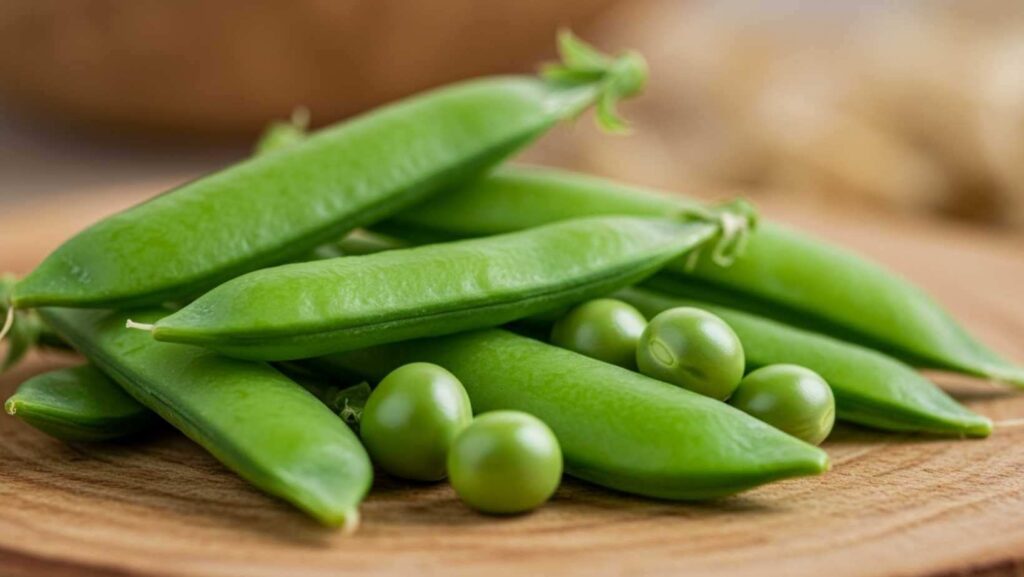
Would you want to know snow peas’ nutrition facts? Snow peas are a great way to get a lot of nutrients, such fibre, vitamin C, and vitamin K, according to my own experience. Also, the caloric, fat, and salt content is rather low.
As a serving size, one cup (160 grammes) has 67 calories, 0.4 grammes of fat, 11 grammes of carbohydrates, 4.5 grammes of fibre, and 5.2 grammes of protein
However, that is not all; as you continue reading, I will provide you with further information on the topic matter.
Now, let’s get started
Snow Peas Calories and Nutrients
There are 27 calories in a serving size of one cup (65 grams) of snow peas that are whole and uncooked.
Also included in its composition are the following nutrients:
- 1 gram of fat
- Salt: 2.5 milligrams
- 4.8 grams of carbohydrates and 1.6 grams of fiber
- Protein: 1.8 grams and sugars: 2.5 grams
- Vitamin C: 37.8 milligrams
- 1.3 milligrams of iron
How healthy are snow peas
A nutritious dietary option, snow peas are abundant in the key minerals and fiber that the body needs.
They are high in vitamins, minerals, and antioxidants and low in calories.
Sugar snap peas have the potential to make a positive contribution to a balanced diet by assisting with weight control, enhancing digestion, and enhancing immunity.
A more in-depth look at the reasons why snow peas are believed to be beneficial is as follows:
Utilization of Nutrients:
Snow peas are a wonderful source of dietary fiber, which not only helps with digestion but also facilitates a feeling of fullness in the body.
They are high in vitamins A and C, which are vital for immune system function and wellness.
Snow peas include manganese, potassium, and iron, which benefit several physiological functions.
For dieters, snow peas are a great choice because they have little calories
Because of their high dietary fiber content and complex nutritional profile, these delicious tiny pods are the ideal snack for satisfying hunger since they are filled with nutrients.
Due to the fact that they contain a small amount of fat and calories, you may consume a substantial quantity of these beans without feeling guilty about exceeding your daily calorie intake.
What’s the Health Benefits of Snow peas
Snap peas and snow peas have nearly identical nutritional profiles. Compared to English peas or green shelling peas, they both have comparatively fewer calories.
Compared to 81 calories from garden peas, just 42 calories are found in 100 g of snow pea pods.
However, compared to conventional shelling peas, snow pea pods do contain more vitamins, minerals, and other plant components.
Snow peas provide comparatively more fiber than garden peas since they are consumed with their skin.
Dietary fiber lowers blood cholesterol and obesity while promoting regular bowel motions.
Vitamin C is abundant in Chinese sugar peas (60 mg/100 g or 100% of DV). Compared to garden peas, fresh pods provide 1.5 times as much vitamin C.
One potent natural water-soluble antioxidant is vitamin C.
This vitamin is found in vegetables that scavenge damaging, pro-inflammatory free radicals from the human body and help build tolerance against pathogenic agents.
Folic acid may be found in fresh snow pea pods. 42 μg, or 10.5%, of the daily required amount of folate is found in 100 grams of fresh peas.
One of the B-complex vitamin groups needed for cellular DNA synthesis is folates, along with vitamin B-12.
Pregnant women who consume enough foods high in folate may help avoid neural tube abnormalities in their unborn children.
Shelling peas are also a good source of phytosterols, particularly ß-sitosterol.
Legumes, fruits, and cereals are examples of foods high in plant sterols that may help decrease cholesterol.
Compared to garden peas, Chinese sugar peas have higher vitamin K. About 25 µg of the daily requirement of vitamin K-1 (phylloquinone) may be found in 100 g of fresh peas.
It has been discovered that vitamin K may contribute to the function of bone mass-building by encouraging osteoblastic activity in the bone.
Additionally, it has been shown to help people with Alzheimer’s disease by reducing brain cell damage.
In addition, fresh snow peas are a good source of vitamin A (1087 IU, or 37% of RDA per 100 g), flavonoids including lutein, zeaxanthin, carotenes, and antioxidants.
is also essential for healthy vision.
Natural foods high in flavonoids protect malignancies of the mouth and lungs.
In addition, snow peas are an excellent source of thiamin, pyridoxine, pantothenic acid, niacin, and other important B-complex vitamins.
They are also abundant in a variety of minerals, including manganese, copper, zinc, iron, calcium, and selenium.
How to cook & serve snow peas
Sautéed: Cook your snow peas in a skillet with a little oil or butter for a few minutes until they are brilliant green and just beginning to soften.
For added taste, you can add some ginger, chopped garlic, or a little soy sauce.
Stir-Fried: Perfect for Asian-style recipes, stir-frying snow peas with other veggies, protein (such as shrimp, chicken, or tofu), and a tasty sauce produces a filling and speedy supper.
Stir-fries go well with the crunchy texture of snow peas.
Blanching: Put snow peas in a saucepan of boiling water and simmer for one to two minutes or until they are brilliant green and crisp-tender.
To maintain their crispness and brilliant color, immediately submerge them in ice water. They make a crisp side dish or can be served cold in salads.
Steamed: For two to three minutes, steam snow peas until they are soft but still firm. For a quick and nutritious side dish, drizzle them with lemon zest, a little olive oil, and sea salt.
Snow peas provide a little bite to salads and go nicely with shellfish like shrimp or scallops because of their slight sweetness.
Serve them with grilled fish or chicken after blanching or steaming them for a quick and healthy side dish.
Are snow peas better raw or cooked
Depending on the preferred flavor profile and personal choice, snow peas can be eaten either raw or cooked.
They have a little sweetness and a crisp texture when raw. Their texture remains crisp-tender, but they lose part of their stringiness and become sweeter when cooked.
Unprocessed:
Texture: The crunch and freshness of raw snow peas are distinctive.
Taste: Their flavor is modest, fresh, and a little sweet.
To prepare, just cut off the rough “strings” around the edges, then eat them as a salad or as a snack.
Prepared:
Texture: Snow peas become softer and less stringy when blanched or briefly sautéed.
Flavor: Their sweetness is enhanced by cooking.
Snow peas can be prepared by lightly blanching them, sautéing them with a little oil, or stir-frying them.
In conclusion, raw snow peas are a fantastic choice if you like a mild, crisp flavor. Cooking them is an excellent option if you prefer a sweeter, more tender-crisp texture.
You may consume snow peas fresh or cooked. On the other hand, blanching snow peas will increase their sweetness and color while decreasing the fibrousness of their margins.
Snow peas can also be cooked by tossing them in a hot pan with a little oil for one to two minutes or until they are crisp-tender. After seasoning, serve.
Final thought
Now that we have established snow peas nutrition facts, Snow peas have a large amount of carbs, a moderate amount of proteins, and a very low amount of lipids.
Here is a detailed ratio that may be seen in the graph of macronutrients that is provided below.
The fact that it has a high amount of fiber while having a low amount of sugar is often indicative of the fact that it is a satisfactory option for carbs.
Due to the fact that it contains 5 grams of “Net carbohydrates” per 100 grams, any individual who is following a ketogenic or ketosis diet should eat it in moderation.