
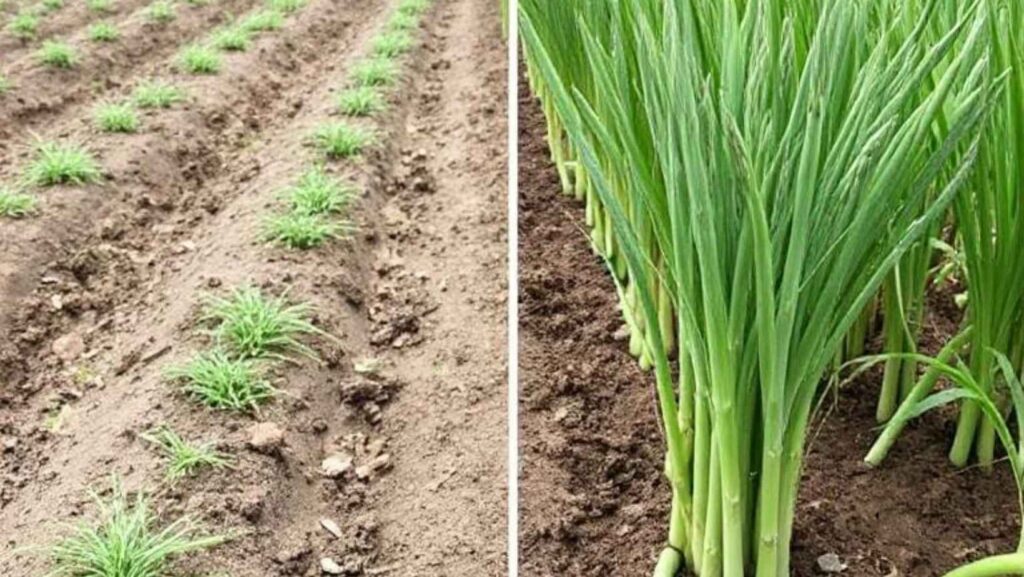
Would you like to know about the differences between organic and conventional asparagus farming? In my perspective, organic asparagus farming is distinct from traditional agriculture in that it does not use any synthetic pesticides, herbicides, or fertilizers. Instead, it relies on natural means to control pests and weeds.
Conventional farming, on the other hand, utilizes these chemicals to maximize productivity.
The cultivation of asparagus is considered organic because it does not involve the use of artificial fertilizers, herbicides, or pesticides.
It is a healthier and more ecologically friendly alternative to asparagus, which is cultivated conventionally, as it employs natural methods for managing insects and enriching the soil.
However, that is not all; as you continue reading, I will provide you with further information on the topic. Thanks for your attention.
Now, let’s get started.
What is Organic Asparagus Farming
Growing asparagus without the use of synthetic fertilizers, pesticides, or herbicides is one example of an agricultural method that is regarded as organic.
Instead, organic farms use natural pest control and soil fertility methods. Crop rotation, composting, and the use of soil-beneficial predatory insects are examples.
Advantages of an Organic Farming Method:
Organic farming is not only better for the environment, but it also protects the health of the soil by eliminating the use of potentially hazardous chemicals.
The fact that customers perceive organic asparagus as healthier and more nutrient-dense is another factor contributing to the market’s increased demand and premium pricing for organic asparagus.
Organic farming presents several challenges, as it demands a greater amount of labor and administration compared to conventional agriculture.
Farmers who practice organic farming may also incur increased production expenses due to the use of organic inputs and the certification criteria.
What is Conventional Asparagus Farming
The conventional method of growing asparagus involves the application of artificial pesticides to prevent pests and enhance crop production.
Conventional farmers frequently rely on fertilizers and insecticides to increase output and lower labor requirements.
There are several advantages associated with conventional farming, including the potential for increased yields and lower production costs compared to organic agriculture.
Additionally, conventional farmers have access to a greater variety of chemical inputs, which can help them manage diseases and pests more efficiently throughout their farms.
The challenges associated with conventional farming include the fact that traditional agriculture may have adverse environmental effects, such as soil deterioration and water pollution.
Furthermore, the demand for organic products has increased as a result of people being more conscious of the possible health risks connected to eating food grown conventionally.
Is organic farming better than conventional farming
By eliminating synthetic fertilizers, pesticides, and herbicides, organic farming promotes healthier ecosystems and lessens chemical pollution.
Organic farms also contribute to biodiversity preservation by protecting habitats and using natural pest control methods.
Although producing safe, high-quality food is the goal of both conventional and organic farming, their methods differ.
While synthetic pesticides and genetically modified organisms are prohibited, organic farming promotes the use of natural inputs and techniques.
It is believed that this focus on organic methods will reduce the likelihood of chemical residues in food and might have beneficial health consequences.
Traditional farming requires safety measures to utilize synthetic pesticides and genetically modified organisms (GMOs) within limits to ensure food safety.
Economics plays a significant role in comparing organic and conventional farming.
Traditional farming emphasizes higher yields and lower production costs, achieved through the use of synthetic inputs and mechanization, which can decrease conventional crop prices.
However, labor-intensive processes, organic certification, and lower yields may result in higher production costs for organic farming.
Because of the supposed health and environmental advantages, organic products are typically more expensive.
Both conventional and organic farming should include social and community aspects. Organic agriculture often highlights ideals such as Fairtrade, local sourcing, and support for small-scale farmers.
It fosters closer relationships and a sense of shared responsibility between farmers and customers through farmer’s markets and community-supported agriculture (CSA) initiatives.
On the other hand, traditional farming might provide jobs and increase production in rural areas.
Compared to traditional farming, organic farming offers significantly more advantages.
As was already mentioned, the goals of organic farming are to maintain soil fertility, provide people with healthy and nourishing food, protect the environment and human health, and promote sustainable agricultural methods.
By integrating ecological concepts into agricultural methods, the agroecological approach to organic farming promotes biodiversity and sustainability.
Organic farming places a higher priority on the global community’s overall well-being than conventional farming, which is primarily focused on producing large quantities of food for profit.
This includes soil, water, air, plants, animals, insects, and people.
What are the Financial Comparison of Organic vs. conventional asparagus farming
To ascertain whether a strategy is more lucrative, let’s examine the financial elements of growing asparagus organically versus conventionally:
Cost of Production: Since organic farming utilizes organic inputs and necessitates certification, production costs are typically higher.
Conversely, conventional farming may result in lower production costs, but it also comes with expenditures associated with soil deterioration and chemical inputs.
Prices and Yields: Although organic asparagus fetches higher prices on the market, conventional growing frequently produces larger yields.
Higher pricing for organic asparagus can help organic farmers increase their profits by offsetting lower yields and higher production costs.
As consumer demand for organic goods grows, organic asparagus farmers will have more opportunities to capture market share.
It may be challenging for conventional farmers to meet customer demands for more sustainable and healthier food sources.
What are the general differences between organic and conventional
The primary distinction between traditional and organic farming is that the former uses chemicals to combat weeds and pests, while the latter relies on natural methods to supply nutrients for plants.
In other words, artificial fertilizers, herbicides, and insecticides.
Instead, organic farming utilizes natural processes, such as composting and biodiversity, to produce a plentiful supply of nutritious food.
Crucially, “Organic production is not just avoiding traditional chemical inputs or replacing synthetic inputs with natural ones.
In economically viable ways, organic farmers employ methods that were originally used thousands of years ago, such as crop rotations and the utilization of composted animal manures and green manure crops.
The interplay of management techniques is the main focus in organic production, which emphasizes the entire health of the system.
Organic farmers employ numerous techniques to restore soil fertility and promote and preserve biological diversity.
Final thought
Now that we have established the differences between organic and conventional asparagus farming, in conclusion, there are benefits and drawbacks to both traditional and organic asparagus growing.
Organic farming can offer premium prices and access to a growing market sector, but conventional farming may provide lower production costs and higher yields.
Ultimately, several variables, including customer preferences, production costs, and market demand, influence the profitability of asparagus cultivation.
Before selecting the agricultural style that best fits their objectives and available resources, farmers should carefully weigh these criteria.