
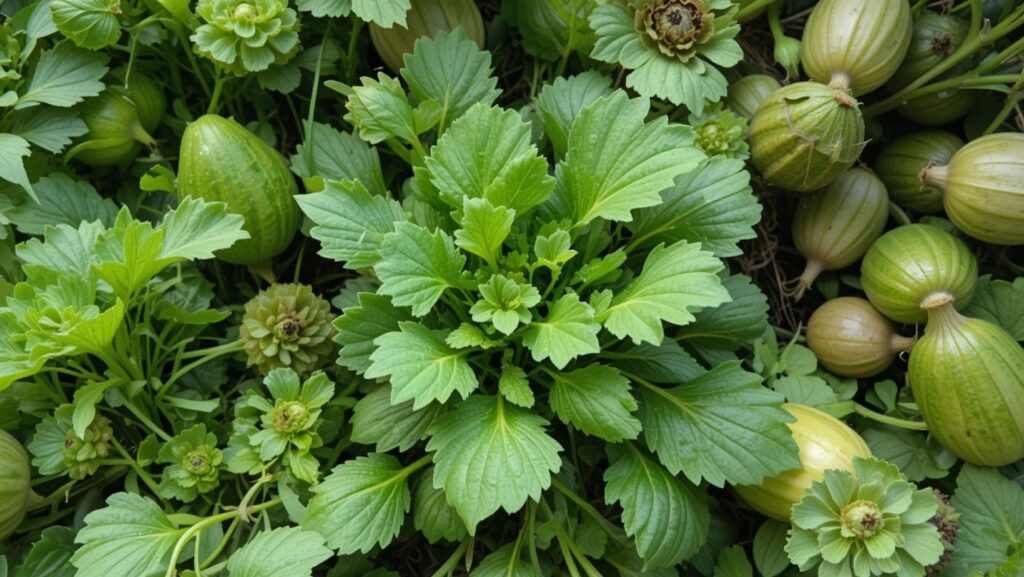
Would you want to know How to grow vegetables without pesticides or herbicides? First, based on my experience, it is important to comprehend the health dangers associated with pesticides.
Allergies, respiratory issues, infertility issues, and even some types of cancer can be brought on by these toxins.
They may also infect our fruits and vegetables, which would reduce the nutritional value of our food.
Plant native plants in the appropriate locations based on the soil’s composition and exposure.
Growing nearby plants that complement one another
Utilize helpful animals and plants to manage pests and illnesses.
Encouraging biodiversity
Alternative crops
Use mulching to shield plants from diseases and pests.
Non-chemical substitutes work well for both prevention and, if required, therapy.
Depending on the pest’s stage of growth and the local climate, suitable biocontrol agents can be used at the right moment.
However, that is not all; I will provide additional information on the topic as you continue reading.
Now, let’s get started
Can I plant vegetables after using a weed killer
Yes, but be sure the substance has been approved for this usage by reading the label of the insecticide.
After deciding on the ideal location for a garden, we occasionally discover that we need to remove the weeds that have taken over the entire area. We could choose to employ a weed killer to finish this.
Not all weed killers are created equal.
A weed killer, also referred to as a herbicide, is a chemical that destroys plants. Selective herbicides do not affect other plants; they only destroy certain ones.
Herbicides that are not selective destroy whatever plants they come into contact with. Weed killers come in a wide variety, and there are differences in the risk they pose to humans.
While some weed herbicides are good for soil preparation, some are not. Make sure the product’s label makes it obvious that it may be used to prepare a garden plot by carefully reading it.
New plant toxicity
Weed killers can be broken down by water and bacteria in the soil. The length of time you must wait before planting additional seeds or starts will be specified on the product label.
For instance, you might have to wait days to plant peppers and weeks to plant tomatoes, depending on the produce.
Certain weed killers are so persistent that they shouldn’t be used to prepare garden beds. The weed killer you choose will determine how long you need to wait before planting.
toxicity to surrounding plants
Depending on their chemical makeup, certain weed killers are likely to remain in place. Depending on their chemical makeup, some weed killers may migrate upward into the atmosphere or downward into the earth.
Observing the label will save adjacent untreated plants.
Other options
Plot size, scheduling, and other variables may determine whether you may employ an Integrated Pest
Management strategy, which uses non-toxic weed management methods like hand weeding
. For further information on how to prepare the soil before starting a garden, think about getting in touch with your neighborhood County Extension Service.
How can we grow food without pesticides, fungicides, or any other chemicals
Focus on organic farming techniques, including crop rotation, companion planting, biological pest management, and the use of natural fertilizers like compost and
manure to produce food without the use of pesticides, fungicides, or other chemicals.
Here’s a more thorough explanation on how to accomplish this:
1. Principles of Organic Farming:
Soil Health: Strong, pest-resistant plants are built on good soil, so give it first priority.
Composting: To provide nutrients and healthy microorganisms to the soil, make rich compost from yard trash, kitchen scraps, and other organic items.
Planting cover crops, such as grasses or legumes, can enhance soil structure, reduce weed growth, and enrich the soil with nutrients.
Crop rotation: To avoid the accumulation of pests and illnesses in the soil, rotate your crops once a year.
Organic Pest Management:
Planting helpful companion plants that ward off pests or draw in beneficial insects, such as marigolds, basil, or mint, is known as companion planting.
Biological Control: To manage pest populations, introduce natural predators like ladybugs, lacewings, or praying mantises.
Physical Barriers: To keep pests away from plants, use physical barriers like netting or row coverings.
2. Illustrations of Natural Pest Management Techniques:
Neem Oil: Made from the neem tree, this natural pesticide and fungicide works well against a variety of pests.
Soft-bodied insects can be killed or repelled by using insecticidal soap, which is a mild soap solution.
Diatomaceous Earth: An all-natural powder that dehydrates insects to death.
Aphids, cabbage moths, and other pests can be repelled by using garlic spray, a natural repellent.
Beneficial Insects: Use helpful insects to eat pests, such as praying mantises, lacewings, and ladybugs.
What is the best way to grow vegetables without using chemical insecticides
You can use these natural, non-chemical insect control methods:
physical obstacles, such as row coverings.
Some traps utilize glue or sticky tape to catch insects after luring them in with pheromones.
Certain insects respond well to vacuuming.
Sometimes trap crops work; you plant a species that is even more appealing to pests than the crop you wish to harvest.
Pests go and consume your “trap crop” while ignoring your desired crop. For instance, it was discovered that in Massachusetts, growing a fence of collards around the field might protect cabbage against imported cabbage worm.
Promote predators and parasites by making your surroundings welcoming to insects, toads, birds, and bats.
Bring in parasites and predators: You may buy and release parasitic wasps or predatory insects like ladybugs.
Because it usually only works temporarily, this isn’t a great option. (For instance, the released ladybugs swiftly wipe out your aphid population before moving on as they have no more food sources.)
Additionally, it can only be used to manage certain pest populations (for example, ladybugs for aphids).
Plant cultivars that are resistant to pest damage, if available. Through advertising or personal experience, you might be able to identify cultivars that are in some way less appealing to pests than others.
It doesn’t have to provide complete security, but it could help you out when combined with other strategies.
Alternatively, you may cultivate undesirable crops. For instance, this example could be reversed because I can’t remember which are favored, but I seem to recall reading that squash bugs, for instance, prefer winter squash to zucchini.
Therefore, plant extra zucchini and utilize the winter squash as a trap crop rather than harvesting it.
Preserve the health of your plants! Plants in good health are less prone to harm. Insects will attack weak plants.
You may occasionally see that one plant in a population is weak and infected by insects, whereas the other plants in the population are not.
When you see this, remove the flimsy plant and kill it, along with the insects!
In the long run, try to keep them out of your garden year after year. Not all insects respond well to this.
Additionally, if you live close to neighbors who have infestations that might spread to your garden, it won’t work as effectively.
However, some insects deposit their eggs in agricultural waste, which will hatch the next growing season.
You can lower the population that will be present the following season by clearing the garden of agricultural trash and properly composting it (so the pile warms up and kills the eggs) or getting rid of it.
You may choose an acceptable population level and then take action when it hits that level if you keep in mind that your goal is to regulate the insect population rather than exterminate it.
For instance, if the number of cucumber beetles in your zucchini trap crop reaches a particular point, you may vacuum the bugs out of the zucchini to lower their population and lessen the chance that they will infect your cucumbers.
How do you make vegetables pesticide-free
Vegetables can be cleaned thoroughly under running water, soaked in a baking soda solution or saltwater solution, and their outer layers peeled or trimmed to remove pesticides.
Here is a more thorough explanation of the techniques:
Rinsing and washing:
Running Water: To get rid of dirt, bacteria, and certain pesticide residues, wash fruit under running water.
Rubbing: It works better to rub the vegetables under flowing water than to just dip it in it.
Strainer: Hold the fruit or vegetable in a strainer as you wash it under running water.
Fragile Produce: Turn berries and other delicate foods in a strainer and lightly mist them with water.
A combination of baking soda and water may also be used as a home treatment to get rid of pesticides from fruits and vegetables.
Soak the veggies for a few minutes in a dish of water with a teaspoon of baking soda. After that, give the surface a light scrape and give it a good water rinse.
What are the best ways to remove pesticides from fruits and vegetables
When it comes to keeping fruits and vegetables edible while maintaining their vital nutrients, technology may be a big help.
Fruits and vegetables that have been cleaned using ozone technology are far safer to consume.
Ozone disinfection is required to get rid of residues in the nooks and crannies of fruits and vegetables because washing only gets rid of a small percentage of bacteria and pesticides from their surface.
In addition to oxidizing even the smallest amounts of pesticides and other agricultural pollutants, ozone disinfection technology effectively and efficiently eliminates dangerous bacteria, viruses, and fungi.
It not only eliminates dangerous chemicals but also prolongs the freshness and deodorization of your weekly supply of fruits and vegetables.
It has a high level of flair and practicality due to its sleek and contemporary design.
People’s daily diets now include more fruit and vegetable varieties as a result of growing knowledge of healthy living.
But is this sufficient? Act quickly if you’re still really concerned about the produce’s hygiene! With the use of a fruit and vegetable purifier, you may take a significant step toward improved health.
Final thought
Now that we have established How to grow vegetables without pesticides or herbicides, There is nothing more effective than a traditional bug trap for finding pests.
Create sticky traps with natural glue or pheromone traps to draw in and catch dangerous insects.
Don’t be afraid to check your plants frequently to find invaders and remove them by hand if you wish to play detective. With sharp eyes and dexterous fingers, who needs pesticides?
Now that you have these natural pesticide substitutes, you can take on the problems of environmentally responsible gardening.
Make your lawn a chemical-free haven by dressing up as an eco-friendly superhero!