
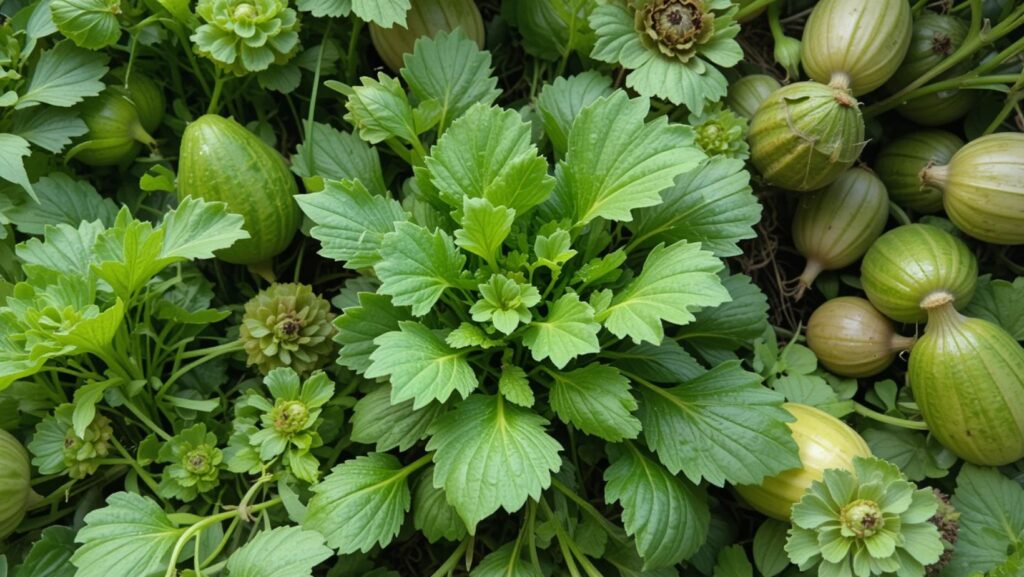
Would you want to know How to grow vegetables at home? According to my experience, growing vegetables at home requires the following:
Picking a spot with enough sunlight, preparing the soil with compost, choosing climate-appropriate vegetables, planting seeds at the right depth, watering frequently, and keeping an eye out for pests and diseases.
You should also think about space availability, whether to start seeds indoors and the requirements of each vegetable variety you decide to grow.
Growing your vegetables at home might help you get closer to nature and save money.
For instance, a single tomato plant can cost as little as $3 to $5 and provide up to 10 pounds of tomatoes over the season, but a single tomato plant might easily cost you $20 or more.
You may save even more money by starting your favorite veggies or plants, like tomatoes, from seeds. But that’s not all; I’ll teach you more about the topic as you continue reading.
Now, let’s get started.
What are the three ways to grow fresh vegetables at home
Enjoy the taste and benefits of homegrown vegetables with these three easy ways to grow them.
1) Container gardening
Container gardening is ideal for urbanites and those with limited space. You can grow vegetables in pots, containers, or even old buckets or wooden crates.
How to begin:
– Choose containers with good drainage to avoid waterlogging. Choose pots with 6-8 inches of depth for root growth.
Select the right vegetables: Choose container-friendly veggies like tomatoes, lettuce, peppers, herbs, and radishes. Choose based on space, sunshine, and preferences.
Give enough sun: Display your containers in a sunny spot for 6-8 hours per day. If sunlight is scarce, use grow lights or pots near windows.
Proper soil and water: To prevent waterlogging and promote root growth, use a well-draining potting mix. Water your containers regularly to keep the soil moist but not saturated.
2) Raised bed gardening
Raised bed gardening is an efficient and visually appealing way to grow fresh vegetables. It includes building raised beds of soil, which offer various benefits, including increased drainage and weed control.
Here’s how you can establish a raised bed garden:
– Choose the location: Find a spot in your yard that receives ample sunlight and is easily accessible.
Ensure there is sufficient space to accommodate the size of the raised bed you intend to create.
– Build the raised bed: Construct the bed using untreated lumber, bricks, or other suitable materials.
Aim to create a width of roughly 3-4 feet since this provides easy access from both sides. The length might vary dependent on available space.
– Prepare the soil: Fill the raised bed with a mixture of high-quality soil, compost, and organic debris.
This nutrient-rich soil will create a perfect environment for your plants to grow.
– Planting and maintenance: Follow the planting directions for each vegetable, considering aspects such as spacing and sunshine needs.
Regularly water your raised bed garden and monitor for pests or illnesses.
3) Vertical gardening
Growing veggies vertically increases space, making it ideal for compact spaces or those with limited ground space. Create a vertical garden:
Select a structure: Choose a trellis, garden netting, or vertical garden planter. Make sure the framework can support veggies.
Choose appropriate vegetables: Choose climbing veggies like cucumbers, beans, peas, and vine tomatoes. Choose a support structure based on vegetable size and weight.
Support and maintain: Train the plants to grow along the vertical framework, fastening them with ties or clips as needed.
Regularly water your vertical garden, and watch for any symptoms of stress or illness.
Growing fresh veggies at home is a pleasant and sustainable method to expand your culinary experiences while encouraging a healthier lifestyle.
Whether you opt for container gardening, raised bed gardening, or vertical gardening, each approach offers distinct advantages and allows you to experience the flavor and satisfaction of fresh vegetables.
Experiment with these ways, adjust them to your available area, and watch your vegetable garden bloom, delivering you an abundance of tasty and healthy crops right in your house.
How to grow vegetables
Before planting, make sure your veggies are season-appropriate.
To prepare the soil for vegetable planting, excavate the garden beds and apply organic compost 1-2 weeks before planting.
The roots of most veggies only need 15-20 cm of suitable soil. Dig and compost up to 30 centimeters for deeper-rooted vegetables like potatoes and carrots.
Water the compost and let it break down before planting veggies. Plant crops you’ll use at the proper time of year to maximize your vegetable garden.
Growing spinach is a healthy way to obtain Vitamin A and other minerals and nutrients. Pull the spinach plants from their containers gently and separate them.
Dig a deep hole with a gardening trowel so the leaves are barely above the dirt and cover the roots. Row the remaining spinach 30 cm apart.
Grow peas for their ease of growth and soil improvement. Remove pea plants from containers. Dig a deep hole for the peas so the leaves are slightly above the earth.
Put peas in the hole, then fill it. Peas require assistance as they grow, so consider that while spacing them. They should be 30 cm apart, ideally.
In the garden, onions are a popular product due to their ease of growth and compact size. Remove the onion seedlings from their container and carefully wash them in a bucket of water to remove the dirt.
Separate plants and build shallow trenches. Cover the roots of each onion plant in the trench with dirt.
Use a seaweed solution to assist seedlings in adjusting to transplantation: Dilute two capfuls of seaweed concentrate in 10 liters of water in a watering can. Soak veggies in this mixture.
Use mulch to enhance plant growth in many ways. As it breaks down, it will offer nitrogen to the soil and plants, chill the roots in heat, and prevent weeds in your vegetable garden.
Spread mulch around vegetable plants without touching them. Wet mulch might damage the plant.
To ensure a successful vegetable garden, water plants daily for the first several days.
Please reduce the quantity of water you feed them to stimulate deeper root growth as they search for water.
This will help the plant develop, establish, and generate homegrown food for your kitchen.
What are the vegetables you can grow at home
Typical veggies that you may cultivate at home
Hold on if you were expecting this guide to start with recommendations for what kinds of seeds or starting plants to purchase.
When you can replant with the stuff you already have at home, why become involved with all that?
Once you begin producing these 10 veggies at home, eating healthily won’t be costly!
The coriander
A versatile herb, coriander may be used in a wide range of recipes, including salsas and dips. It’s easy to cultivate in your garden or a container.
Cilantro grows best from seeds, which take 7 to 10 days to germinate.
The potato
One of the simplest crops to cultivate at home is the potato. When you leave potatoes for too long, they can occasionally grow on their own.
Just put a full potato in a glass container or some dirt and wait. In no time, a new plant will emerge from the potato’s root.
A pumpkin
Pumpkins are easy to cultivate and may sprout anywhere. The same procedure applies to squash as well. In just a few days, a pumpkin’s seeds will germinate if they are buried in the soil.
Basil Because of its many uses, basil is a fantastic herb to have in the garden. Although it may be cultivated at any time of year, summer is when it takes shape.
Once you plant basil, you may snip off the leaves and it will always have fresh basil available when you need it since it grows back quickly.
The mushroom
Just plant the mushrooms in your yard after removing their caps. If you do it correctly, you will have fresh mushrooms anytime you need them, but it requires the proper time and conditions to develop.
Peppers
Peppers are easy to cultivate at home since they contain a lot of seeds.
Gather pepper seeds, rinse and pat dry with paper towels, and then plant them in a garden or container. They may also be grown in little pots.
What are the Easiest vegetables to grow
Leafy greens: Among the healthiest and most adaptable vegetables are leafy greens. There are several options, such as spinach, rocket, silver beet, kale, lettuce, and more.
Although it can be grown year-round, lettuce (Lactuca sativa) is typically associated with the cool season.
Consider adding to your garden in the spring or fall. In fact, lettuce seedlings can tolerate a small amount of cold.
Varieties with loose leaves thrive in warmer climates. The best types to grow at home are pick-and-eat types.
It may be obtained as seedlings, but it also sprouts easily from seed. You can plant this fast-growing vegetable at any time of year, and it will be ready in a matter of weeks.
It is advised to plant your seedlings in areas of your patch or pot that are partially shaded during the hottest parts of the summer.
During the hotter months, you may plant sweet corn or beans around them to give them some shade.
Root vegetables: Carrots, turnips, and radishes:
Turnips and radishes grow quicker than anything else! Do you want to feel like a master gardener and achieve rapid success?
The tiny roots will begin to swell in a few weeks after you plant a few turnips or radish seeds in a container.
The optimum time to plant carrots is in late summer or early autumn, and they will flourish throughout the winter.
Cucumbers: Cucumbers dislike chilly, rainy weather and adore the summer heat. Fertile soil and proper drainage are desirable to them.
Cucumbers for pickling and slicing can be grown in two major varieties. Pickling varieties are shorter (7–10 cm), but slicing varieties are longer, typically reaching 15-20 cm.
Broccoli: In the cooler months, broccoli is a fantastic vegetable to grow.
It was regarded as an unusual Italian vegetable just a few generations ago, but now it is widely consumed and a mainstay of many diets.
The optimum seasons to plant broccoli are summer or fall. It is recommended to plant seeds in trays or starter pots and move them when they are around 7 cm.
How to Plant Vegetables in Containers at Home
Although the majority of vegetables require the same conditions (full light and well-drained soil), it’s a good idea to confirm their cultural requirements.
You can start seeds in your pots, start seeds inside before transplanting, or buy starts from a garden shop, depending on the kinds of veggies you wish to raise.
• Plant seeds: Plant seeds in accordance with the instructions on the seed packet. Plant more seeds than you need and thin the surplus later since not all of them will sprout.
• Plant starts or seedlings: Before placing them in your container, carefully twist at the roots to release the root ball if you’re transplanting.
With the exception of tomatoes, which can have their bottom leaves pinched off and their stems planted deeper in the container, place transplants or starts at the same level as they were growing in their pot.
Purchase plastic tags to aid with plant identification.
• Fertilize: Before or after planting, mix the soil with a balanced, organic fertilizer.
Avoid overfertilizing because this can cause plants to develop too rapidly, increasing the likelihood that they may topple over and reducing the flavor.
• Water: To help the seeds or transplants settle, water them thoroughly but gently when planting time comes.
Mulch the potting soil with leaf mold, compost, straw, or anything similar to prevent it from drying out.
Final thought
Now that we have established How to grow vegetables at home, Numerous vegetables, such as the exotic red radish and broccoli, as well as salad greens and herbs like arugula, lettuce, thyme, sage, and many more, can be grown at home.
However, these five vegetables are the most popular in Indian homes because they require the least amount of work on the part of the grower and take up the least amount of space on balconies, terraces, or window boxes because they thrive in pots.