
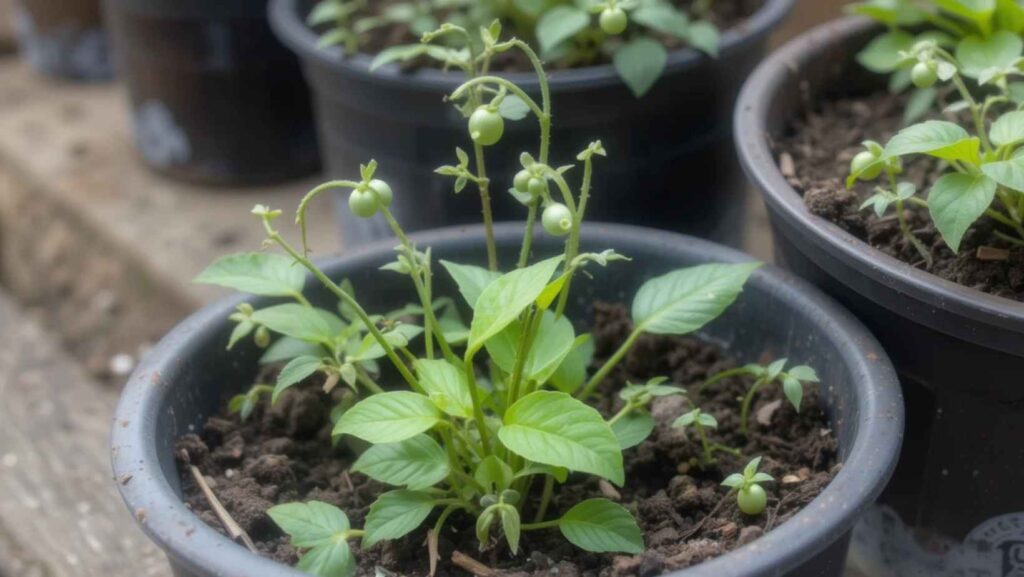
Would ypu want to know about growing snow peas in containers? From my own experience, I can say that cultivating peas in pots on your balcony or patio is so simple that even a novice gardener can handle it.
Anyone who has ever grown peas will attest to the fact that the flavor of the peas cannot be compared to the canned kind that is sold in stores.
Picking fresh peas directly off the vine and eating handfuls of them as you garden is a great way to enjoy their delicious sweetness.
The best part is that peas do exceptionally well when grown in containers.
However, that is not all; as you continue reading, I will provide you with further information on the topic matter
now, let’s get started
Can snow peas be grown in containers
Yes, snow peas may be produced effectively in containers if cultivated properly. Choose a container with suitable drainage, a minimum depth and breadth of 30 centimetres.
A high-quality potting mix should be used, and the container should be exposed to direct sunlight.
Ensure that the soil is kept wet by watering it on a regular basis and providing the vines with a trellis or other support structure to climb.
Long durations of temperatures higher than 25 degrees Celsius will restrict the amount of blooming and cropping that snow peas are able to produce.
Snow peas are best produced throughout the colder months of the year, which means any season other than summer.
Because snow pea seeds are so large, they are not only simple to handle but also ideal for children to plant and cultivate in the garden or in containers.
How to grow & care for snow peas
Heavy croppers and snow peas are simple to raise in potted gardens or home vegetable beds.
Snow peas are a kid’s favorite because they are crunchy and sweet, and you can eat them raw or cooked. The flat pods are also edible.
Any season other than summer is ideal for growing snow peas since prolonged exposure to temperatures above 25°C would inhibit their ability to blossom and produce.
The big size of snow pea seeds makes them easy to handle and ideal for children to plant and grow in pots or in the yard.
Since snow peas may grow up to 1.5 to 2.0 meters tall, they are best cultivated on a trellis or other modest support.
The top five methods for cultivating snow peas:
Prior to planting, arrange the support or trellis structure and pick a spot that receives full sun. By doing this, you can prevent uprooting your snow peas later.
Before planting, till the top 20 to 30 cm of the soil with a fork, breaking up any lumps, and add compost or Scotts Osmocote Compost Premium Soil Improver.
Directly plant snow pea seeds in prepared, moist soil. Plant seeds at the base of your trellis or support, leaving 7 to 15 cm between each one.
Depending on your environment and the kind you select, snow pea seeds will sprout in 7–10 days and be suitable for harvesting 8–12 weeks after sowing.
Young snow pea seedlings are particularly vulnerable to slugs and snails. To protect your crops from predators, scatter Defender Slug & Snail pellets across the area.
How long does it take for snow peas to grow
From the time they are planted until they are harvested, snow peas typically take around ten weeks. After blooming has begun, pods grow quite fast.
The amount of time it takes for flowering and pod production to occur is contingent on a number of elements, including the amount of sunshine and temperature.
Following flowering, snow peas are normally harvested when the pods are young, fragile, and flat. This typically occurs around ten days following the flowering stage.
The act of harvesting Snow peas are ready to be harvested not too long after they have been planted; the majority of cultivars start producing after around sixty days.
Once the pods have reached a length of a couple of inches, you are free to pluck them whenever you choose once the peas have begun to develop. Do not wait till the peas have increased in size.
What are the Types of Peas to Grow in Containers
A pea plant can flourish in container gardens, which are ideal for locations that are either tiny or inside.
For those who are interested in growing peas in containers, there is a wide selection of types available to pick from, including the following categories:
Peas from the garden: Although garden peas have pods that are not edible, you may shell them and eat the peas that are contained within them.
Garden peas are also sometimes referred to as shelling peas or English peas.
Snap peas: Much like the peas themselves, the pod of a snap pea is edible. Snap peas, in general, are edible.
As soon as they are picked, snap pea pods have a sweet and crisp texture. You may consume them in their raw form or include them in recipes, such as rice dishes or stir-fries.
It takes around three weeks for snap peas to reach the point when they are ready to be harvested from the plant.
Like snap peas, snow peas, and their whole pods can be consumed either fresh or cooked. Snow peas are similar to snap peas.
Due to the rapid growth of snow peas, it is recommended that you pick them as soon as the peas become green, which is immediately after the flowering stage.
What are the 5 Considerations for Growing Peas in Containers
Although there are many ways to customize your pea containers, the following elements are essential to get you started:
1. Containers: Since pea plants only need eight inches of soil, you may use a shallow, broad container, such as a windowsill planter box.
To prevent the root systems from being oversaturated with water, the container should have enough drainage holes and appropriate air circulation.
Choose a terracotta pot or window box for growing delicious pea plants since metal containers can overheat in direct sunlight, which might dry up the soil and harm plant roots, and plastic containers may leak chemicals into the soil.
2. Garden soil: The success of your container garden depends on the selection of potting soil. You might need to fertilize your container plants to make up for any nutritional deficiencies in your potting mix.
3. Seeds: Select the pea plant seeds that best fit your preferences and growing environment.
4. Sunny spot: For pea plants to flourish, they need either full sun or partial shade. Select a space with enough ventilation and lots of sunlight.
Partial shade might shield your plant from the intense afternoon light if it is growing during the warmer summer months.
5. Support system: In order to grow vertically, your pea plant will require a support system.
A bamboo rod, metal arch, or trellis (which are frequently found at gardening stores and come in wood, metal, or plastic variants) may serve as your support system. You can even repurpose items like wooden chopsticks or old rulers.
Final thought
Now that we have established growing snow peas in containers, the cooler months are when snow peas thrive in most climes. In frigid climates, do not sow or plant until after the risk of frost has gone.
This is because frost can harm seedlings and affect growing pods. They are not heat tolerant and will cease to produce if grown during the warmer months.
Select a well-drained, sunny area in the garden and add compost for enrichment. Directly plant seeds, cover them with a thin layer of soil and give them plenty of water.
Seeds may rot if you water them again before they have germinated.
To lessen transplant stress, water in seedlings with a diluted seaweed solution and avoid disturbing the root ball.