
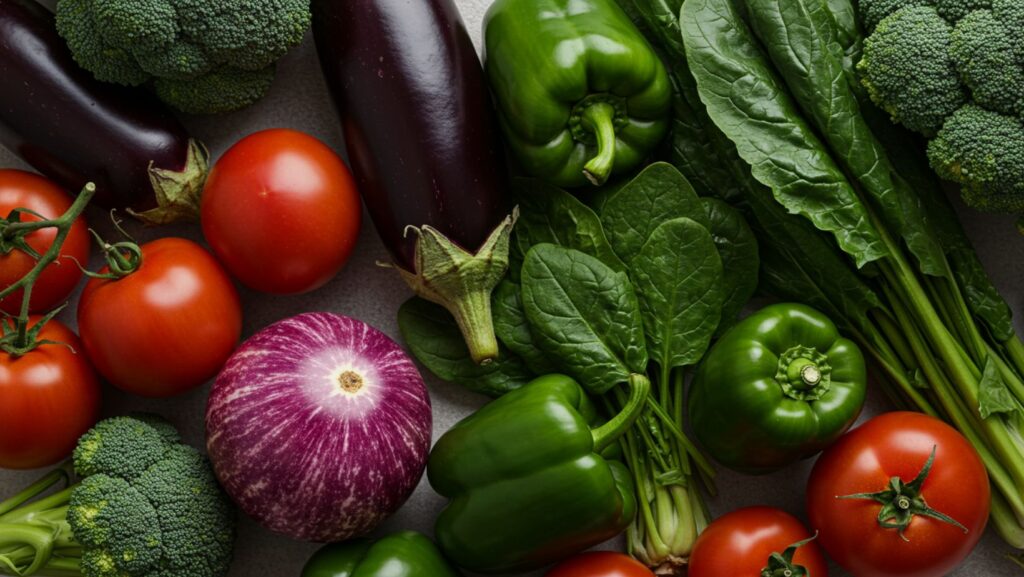
Would you want to know about Anti-inflammatory vegetables? In my experience, a lot of veggies, such as leafy greens, root vegetables, and other vegetables, have anti-inflammatory properties.
One of the greatest strategies to reduce chronic inflammation is to eat a lot of bright vegetables. However, if you want to go further, think about adopting a Mediterranean diet.
The Mediterranean diet emphasizes fatty fish, whole grains, nuts, olive oil, and anti-inflammatory fruits in addition to its abundant vegetable basis.
However, it is low in processed meats, fried meals, sugary beverages, refined carbohydrates, and sugar-sweetened sweets, all of which contribute to inflammation.
But that’s not all; as you continue reading, I’ll provide additional information on the topic.
Now, let’s get started
What vegetable is the most anti-inflammatory
sulforaphane. Sulforaphane inhibits the inflammatory process and may reduce osteoarthritis (OA) cartilage degeneration.
Red peppers, squash, sweet potatoes, and carrots
Beta-cryptoxanthin and other carotenoids give these vibrant orange and red veggies their unique color.
Additionally, plant pigments provide antioxidants to red peppers, sweet potatoes, carrots, and squash.
Eating more foods high in beta-cryptoxanthin may lower your chance of developing RA and other inflammatory diseases, according to some study.
Red and green peppers: Peppers are a rich source of vitamin C, which maintains bone and may protect cartilage cells.
This is true regardless of the pepper’s color or degree of heat.
You can get enough red bell pepper for a whole day with just a half-cup.
Allium veggies, which include onions, Garlic, leeks, and shallots, are strong and tasty and high in quercetin, a kind of antioxidant.
The potential for quercetin to reduce inflammation in conditions like RA.
Diallyl disulfide, another substance found in alliums, may lessen the enzymes that harm cartilage.
Olives: Although they are not in the produce section and are technically a fruit, olives, and olive oil have strong anti-inflammatory properties.
Oleocanthal, a natural anti-inflammatory chemical found in extra-virgin olive oil, functions similarly to ibuprofen.
The Most Effective Anti-Inflammatory Vegetables to Grow
Here are nine additional herbs and vegetables to cultivate in an anti-inflammatory garden, listed in seasonal order:
1. Harvested in the spring, young stinging nettles have long been prized for their anti-inflammatory qualities and taste great when lightly cooked or turned into tea.
2. Garlic and chives, particularly those picked in the spring, may contain powerful anti-inflammatory nanoparticles.
3. Packed with vitamins, minerals, and antioxidants, arugula improves digestive health and lowers inflammation.
4. In addition to being high in vitamin K, parsley is a new source of apigenin, an anti-inflammatory substance. The best part is that you will always have fresh parsley if you cultivate a few plants in pots.
5. In addition to having high quantities of vitamins A, C, and E, broccoli is noteworthy for its special synthesis of sulforaphane, a potent anti-inflammatory chemical.
6. Don’t discount carrots as anti-inflammatory foods just because they’re widely available and well-liked.
Eat as many raw carrots as you can to get the most nutritional value.
7. Because they are rich in uncommon substances that lower inflammation, ripe peppers are worth the wait.
Growing little paprika and other flavor peppers in containers is simple, and the mature peppers may be refrigerated or preserved for year-round enjoyment.
8. Bok choy, also known as pak choi, is a popular fall crop because of its quick growth and crisp, juicy stems and dark leaves.
Bok choy has a modest nutritional advantage over spinach since it also contains selenium and other elements.
9. Lastly, you must have Garlic, a mild, slow-burning anti-inflammatory that you should eat frequently. Garlic may potentially lower the risk of some cancers if consumed on a regular basis.
What are the Health Conditions Anti-inflammatory Foods Can Improve
Choosing anti-inflammatory foods can help with the following medical issues.
IBS, or Inflammatory Bowel Disease: The hallmark of IBS is intestinal inflammation, which results in symptoms including bloating, diarrhea, and abdominal discomfort.
Allergies: Allergic responses can raise the body’s inflammatory levels, which can cause symptoms including congestion, sneezing, and itching.
Anti-inflammatory foods such as green tea, berries, and almonds can help control the immune system and lessen the intensity of allergic reactions. One
Asthma symptoms can be lessened and airway inflammation reduced by eating anti-inflammatory foods such as fruits, vegetables, and whole grains high in antioxidants and phytonutrients.
Consuming anti-inflammatory foods such as dark chocolate, almonds, and olive oil will assist in enhancing blood vessel function, lower inflammation, and minimize the risk of a cardiovascular event. 3.
Alzheimer’s Disease: Memory loss and cognitive decline may result from neuroinflammation in the brain, which may accelerate the disease’s course.
Anti-inflammatory foods, including leafy greens, fatty salmon, and blueberries, have been linked to decreased inflammation in the brain and may even prevent the course of Alzheimer’s disease. 4.
Choosing meals high in antioxidants, anti-inflammatory foods like ginger and Garlic, and immune-modulating foods can help reduce inflammation and other autoimmune disease symptoms. 5.
What are the Anti-Inflammatory Vegetables to Eat on Repeat
The anti-inflammatory chemicals described above are found in a plethora of nutrient-dense vegetables.
Here are several veggies that are particularly rich in anti-inflammatory components and that, in order to reap their full, healthful benefits, you should have on a daily basis.
Essential Vegetables:
Kale, broccoli, bok choy, cabbages, Brussels sprouts, Swiss chard, watercress, collard greens, and cauliflower are examples of vegetables that are considered cruciferous.
They are all high in fiber and antioxidants, including flavonoids, vitamins C, E, and A, and, most importantly, sulforaphane, a phytochemical (plant chemical).
By lowering the body’s levels of inflammatory cytokines, sulforaphane can aid in the reduction of inflammation.
Garlic and onions: Without these flavorful bulbs, a lot of recipes would fail. Fortunately, they provide several health benefits in addition to being tasty.
In addition to being high in fiber, onions, and Garlic also include antioxidants in the form of vitamin C, vitamin A, and phenolic acid, a polyphenol.
Additionally, Garlic includes sulfur-containing compounds that may potentially lessen inflammation.
Greens with dark leaves:
Antioxidants and fiber are abundant in dark, leafy greens. Vitamin C, vitamin A, carotenoids like beta-carotene and lutein, and polyphenols like quercetin are among the antioxidants they offer.
When you hear the term “dark leafy greens,” you probably think of spinach, bok choy, Swiss chard, or kale, and those are all great options.
Sweet potatoes: Packed with anti-inflammatory minerals like beta-carotene. Additionally, they include 4 grams of fiber to aid with inflammation reduction.
How to reduce inflammation in the body fast
Eating anti-inflammatory foods, exercising frequently, and managing stress can all help to lower inflammation in the body.
- Consume foods that reduce inflammation.
- Select leaner animal protein sources and plant-based ones.
- Limit processed foods, trans fats, and red meat.
- Include spices in your diet, such as ginger, cumin, cinnamon, turmeric, and rosemary.
- Consume green tea because it has antioxidants.
- Regularly work out
- Make an effort to exercise for at least 30 minutes every day, five days a week.
- Try 30 to 45 minutes of aerobic activity or 10 to 25 minutes of weight or strength training.
- Decrease tension
- Try guided visualization, yoga, biofeedback, or meditation.
- Make time for leisurely pursuits like nature walks or artistic hobbies.
- Consult with a counselor or therapist.
- Get adequate rest.
Final thought
Now that we have established Anti-inflammatory vegetables, It is possible to manage inflammation in the body in a way that is both enjoyable and beneficial by including a wide variety of colorful and nutrient-dense veggies in your diet.
The possibilities are limitless, ranging from cruciferous vegetables such as broccoli and Brussels sprouts to vibrant bell peppers and dark verdant greens like spinach and kale.
Regularly eating these vegetables may enhance your health and provide you a variety of flavors and experiences.