
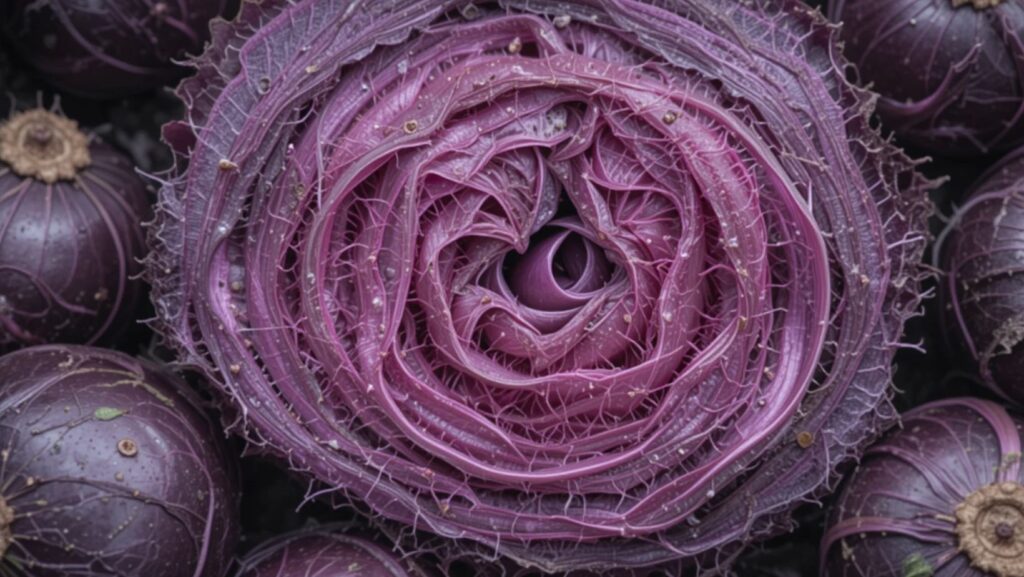
Would you want to know why purple vegetables are so healthy? Based on my observations, purple vegetables are abundant in antioxidants, particularly anthocyanins,
This reduces inflammation, improves heart function, and may lower cancer risk.
Purple foods and plants are rich in fiber, vitamins, and minerals.
Purple fruits and vegetables are rich in anthocyanin, which has been demonstrated to have positive effects on inflammation, cardiovascular disease, and brain function.
The fact that purple foods have the potential to improve one’s mood and sense of peace is just another reason why individuals should incorporate them into their diet.
However, that is not all; as you continue reading, I will provide you with further information on the topic matter.
Now let get started
Why Are Purple Fruits and Vegetables Beneficial
Packed with Antioxidants: Anthocyanin, the most prominent substance found in purple food, is a strong antioxidant.
Promotes Heart Health:
Purple foods have been associated with better cardiovascular health, including eggplants, purple cabbage, and blueberries.
By encouraging healthy blood vessel activity, they aid in lowering blood pressure, reducing inflammation, and improving circulation.
Improves Brain Function: Antioxidants included in purple foods contribute to mental well-being., eating foods high in anthocyanins may help prevent neurodegenerative disorders like Alzheimer’s, enhance memory, and decrease cognitive decline.
Anti-Inflammatory Properties: Diabetes, heart disease, arthritis, and other illnesses are all rooted in chronic inflammation. Anti-inflammatory substances found in purple foods can aid in lowering inflammation and promoting general health.
Promotes Eye Health: Nutrients found in purple carrots, blueberries, and grapes lower the incidence of cataracts and macular degeneration, promoting eye health.
Facilitates Digestion: The high fiber content of many purple foods supports gut health and normal digestion. Fiber lowers the risk of colon cancer, promotes good gut flora, and helps avoid constipation.
Are Purple Vegetables Healthier
At least with regard to certain nutrients, certain purple vegetables offer a greater number of health advantages than identical vegetables that are colored in other hues.
The anthocyanins found in purple potatoes, for instance, are responsible for the fact that they contain four times as many antioxidants as russet potatoes.
Purple carrots have twice as much alpha and beta-carotene as orange carrots do. Orange carrots are the more common kind.
The body is capable of converting beta-carotene into vitamin A, which is an additional essential antioxidant that strengthens the immune system and is beneficial to the health of the eyes.
There are 36 distinct kinds of antioxidants that may be found in red cabbage. When compared to green cabbage, it has been demonstrated to have anywhere from six to eight times more vitamin C.
It goes without saying that you shouldn’t restrict your diet to exclusively purple items.
It is recommended to consume a wide array of colorful meals on a daily basis. But be sure to include the purple ones!
What are the Best Purple Fruits and Vegetables to Include in Your Diet
Antioxidants and vitamin C in blueberries benefit the heart and brain.
Blackberries aid digestion and immunity due to their high fiber and nutrient content.
Eggplant’s antioxidant nasunin protects brain cells.
Purple cabbage, high in vitamin C and fiber, helps the stomach.
Dietary beets are beneficial for both detoxification and blood circulation.
Fruits like plums and prunes are beneficial to bone health and digestion.
Purple grapes are loaded with resveratrol, a compound that is beneficial to the health of the heart.
There is a high concentration of fiber, vitamins, and antioxidants in purple sweet potatoes.
Carrots with a purple hue are beneficial to eyesight and prevent inflammation.
What is the proposed benefits of purple fruits and vegetables
Anthocyanins are naturally occurring chemicals that are responsible for the blue-violet or red-orange color that may be found in a variety of fruits and vegetables.
Some examples of these compounds include radishes, berries, concord grapes, and red cabbage.
Anthocyanins have the potential to aid in the prevention and management of type 2 diabetes.
This is due to the fact that they influence the metabolism of energy, improve intestinal health, and reduce inflammation inside the body.
There are two distinct classifications that may be used for anthocyanins: acylated and nonacylated.
That acylated anthocyanins were particularly helpful in lowering the chance of developing type 2 diabetes.
This is despite the fact that both varieties are advantageous in this regard.
Although it takes longer for the body to absorb and digest these substances, they have a greater impact on the health of the intestinal stomach lining, they reduce inflammation, and they assist in the regulation of blood sugar.
As a result, the combination of all of these variables helps to lower the chance of developing type 2 diabetes.
Which purple fruits and vegetables are best
A combination of acylated anthocyanins found in purple potatoes, radishes, red cabbage, purple carrots, Purple maize specifically reduced type 2 diabetes risk.
Purple maize lowered type 2 diabetes risk.
The effectiveness of nonacylated fruit, which includes elderberry, blackberry, and blackcurrant, was shown to be lower.
This might be due to the fact that these fruits contain significant amounts of natural sugar, which may counteract some of the advantages that were initially observed.
What are the healthy reasons to eat purple fruit and vegetables
Purple veggies have several advantages, such as:
Combat free radicals: Free radicals lead to oxidative stress and are linked to the emergence of illnesses.
Antioxidants and anthocyanins found in purple fruits and vegetables help lessen the impact of free radicals.
Certain foods naturally contain anthocyanins, which give them their purple color. The more anthocyanin a vegetable contains, the more effective it is at combatting undesirable free radicals.
Reduce inflammation: Because purple foods contain large amounts of anthocyanin, several studies have demonstrated that they have an anti-inflammatory impact.
This suggests that purple vegetables may help prevent the onset of additional immunological dysfunctions and life-limiting diseases, as well as treat chronic problems like inflammatory arthritis.
Prevention: It has been suggested that purple veggies can help stave off type 2 diabetes, cancer, and Alzheimer’s disease.
Numerous studies suggest that anthocyanins may also enhance memory and attention, extending the brain’s capacity to operate.
Healthy hearts: Purple fruits and vegetables include anthocyanins, which are thought to lower cholesterol and prevent blood pressure from increasing.
As a result, there is less pressure in the arteries, which keeps the heart healthy.
Repair alcohol damage: Purple foods’ antioxidants can help alleviate hangovers and undo the harm that alcohol has done to the liver.
While excessive alcohol consumption may cause you to grab sugary drinks and fatty foods, remember to give your liver a dish of red and purple berries as a treat.
Skin that glows: Purple fruits and vegetables are good for our skin because they encourage blood circulation.
Anthocyanins can aid in the regeneration of injured skin since they have a healing impact on our cells.
Additionally, they contain antimicrobial properties that aid in wound healing. Overall, they can maintain the youthful, radiant appearance of our skin!
Should You Eat More Purple Vegetables
Fruits and vegetables with a rich purple hue typically have a high level of antioxidants.
The vibrant violet hues of plants, especially flowers, are attributed to a specific class of antioxidants known as anthocyanins. (They also provide color to blue foods like blueberries and red foods like tomatoes.)
Purple veggies are shielded by anthocyanins from environmental stresses like cold and sunshine.
Additionally, they draw pollinators like butterflies and bees.
They can also shield you from a variety of lifestyle diseases, including diabetes, cancer, and neurological and cardiovascular conditions, as well as help repair and protect your cells from harm.
Anthocyanins, which are found in dried leaves, berries, roots, and seeds, have been utilized in herbal treatments for ages.
Additionally, anthocyanin-containing extracts and combinations have been utilized to treat a variety of illnesses.
This includes the ordinary cold as well as conditions including kidney stones, urinary tract infections, liver problems, and hypertension.
Final thought
Now that we have etsbslaiehs why purple vegetables are so healthy, Purple cabbage should be quite easy to locate. It also boasts the most antioxidant content per dollar, making it one of the finest healthy food deals.
Being a cruciferous vegetable, purple cabbage offers all the wonderful health advantages of the brassica family, such as preventing cancer and alleviating depression.
The flavor is comparable to green cabbage, but the leaves are thicker. Purple cabbage is a simple way to replace green cabbage in recipes.
Purple cabbage may also be used to create eye-catching cabbage rolls with your preferred filling.