
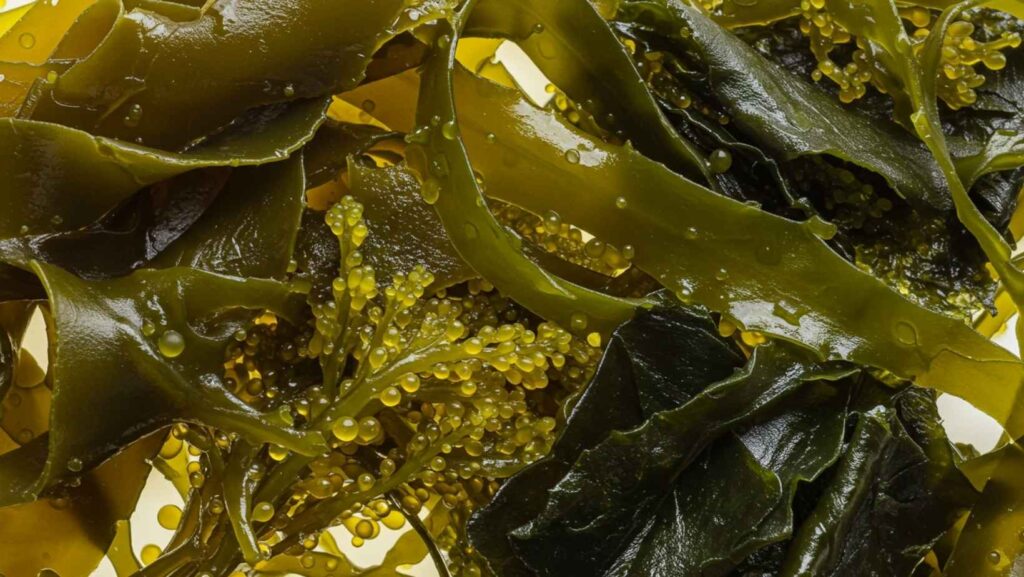
Would you be interested in tasting marine vegetables?
Glutamates, which are organic substances that promote umami or savoriness—one of the five fundamental tastes—are also abundant in edible seaweeds.
Umami is sometimes defined as “an additional sense of deliciousness,” and sea veggies provide meals just that.
Seaweed and fish don’t taste the same since they have different tastes.
Seaweed has a distinct umami flavor with a trace of marine salt, whereas fish tastes savory and occasionally sweet.
A number of variables, including species, preparation, and cooking techniques, affect each food’s flavor.
The word refers to edible sea algae, which can be unicellular (microscopic) or multicellular and contain some of the earliest living forms on Earth.
Seaweed is within this vast group of thousands of species.
Are sea vegetables safe to eat
Sea vegetables are consumable seaweed or algae that can be found in powdered, dried, or fresh form.
They can aid in the body’s detoxification process and are a wonderful source of vitamins, minerals, essential antioxidants, and omega-3 fatty acids.
Seaweed, sometimes known as sea veggies, is made up of many kinds of algae. In aquatic conditions, algae develop.
They naturally take up vitamins and minerals from the ocean and use sunshine as energy.
Although sea veggies have been utilized for many generations in Asia and other parts of the world, many Americans are not aware of the notion.
Sea veggies are, for the most part, edible marine algae or macroalgae.
This is not the same as freshwater algae, such as spirulina or chlorella, which are likewise extremely beneficial to health.
The plant-like creatures known as macroalgae typically reside in coastal regions, clinging to rocks or other hard surfaces.
They resemble lichens or mushrooms more than terrestrial plants and lack genuine roots and leaves.
However, sea veggies employ photosynthesis to turn sunlight into energy, much like land plants do.
Do sea vegetables have mercury?
The levels of heavy metals and potentially dangerous trace elements, such as iodine, arsenic, mercury, cadmium, and lead, are naturally lower than the WHO food safety criteria for most edible sea vegetables.
In comparison to fish, sea vegetables like kelp and dulse are usually not thought to contain significant levels of mercury.
Fish and other marine creatures, especially those at the top of the food chain, can collect mercury in their tissues, which is a poisonous element.
Mercury levels are often greater in large predatory fish (such as swordfish, tuna, and shark) than in smaller fish and other foods.
Conversely, sea vegetables are not known to collect significant levels of mercury since they are often found lower on the food chain.
Indeed, several varieties of seaweed are thought to have low levels of mercury and other toxins, which might make them a potentially beneficial dietary option.
It is important to remember, nonetheless, that the quality and purity of seaweed products might differ, just like any other food product, based on the location and methods of harvesting, processing, and packaging.
Therefore, it’s wise to buy seaweed items from reliable vendors who can tell you about their safety and quality.
Sea vegetables, such as kelp and dulse, are typically thought to contain less mercury than some fish species, making them a potentially safe and nutritious addition to the diet.
One of the numerous benefits of seaweed is its ability to improve cardiovascular health!
Fucoxanthin’s anti-inflammatory and antioxidant qualities can influence immunological response and impede a number of mechanisms that contribute to the development of heart disease.
Furthermore, studies have demonstrated that a variety of seaweeds contain hypolipidemic, or lipid-reducing, properties that aid in decreasing LDL cholesterol and triglyceride levels.
What do sea vegetables do for your body?
They are an excellent source of trace minerals, iron, magnesium, calcium, and potassium, as well as vitamins.
In addition to being rich in vital nutrients and minerals, sea vegetables have a high content of antioxidant molecules that help eliminate harmful pollutants and heavy metals from the body.
Seaweeds, as we all know, keep the ocean’s natural balance and cleanse the water.
They are also able to cleanse your body in the same way.
According to some, seaweed has an electrolytic magnetic activity that causes excess bodily fluids to be released from clogged cells, allowing fatty wastes to be released through skin pores.
Furthermore, they replenish lost minerals like potassium and iodine, increasing thyroid function and supporting hormone homeostasis and adrenal management.
Seaweed and other marine plants are rich in essential nutrients. Here’s why you should definitely include them in your everyday diet.
Elevated Levels of Bioavailable Iron: As much as 35 milligrams of iron can be found in one teaspoon of dried sea vegetables.
That is quite a bit! Better yet, this iron is combined with vitamin C, which facilitates your body’s absorption of the iron found in plants.
Iron deficiency may be quite problematic, especially for young children and women who are planning a family.
Additionally, many vegetarians find it challenging to get enough iron from their diet. Thus, sea veggies are a valuable supplement for them.
Strong Antioxidant: Free radicals are substances that can be harmful to one’s health and well-being.
Antioxidants work to combat these substances.
Sea vegetables are a powerful complement to a healthy diet because they are high in antioxidant components and include vitamins and minerals that help minimize oxidative stress, which can cause or exacerbate a number of cardiovascular diseases.
What is the best way to eat seavegetables?
Amazon and Whole Foods are other excellent resources. As a way to retain their nutrients, sea veggies are usually marketed as dried rather than fresh.
You may eat them dry (consider using them as a wrapper or scattering them over salads and grain bowls) or rehydrate them.
Or purchase nori already toasted.
Roll it up to encase cooked rice, fresh veggies, and sliced avocado in vegan sushi rolls.
Accompany with homemade dip or tamari.
You may also get crunchy, salty nori snacks to satiate your yearning for potato chips.
Miso soup is a popular breakfast option in macrobiotic cooking, as it helps prepare the body for the day.
Try these tofu and wakame-based homemade miso soup recipes for a high-protein, high-nutrient dinner.
Wakame may also be rehydrated by softening it in water. Add it to salads and grain dishes after draining and chopping.
You must first clean and soak the sea veggies because they are packaged mostly in a dry state. Following that, you may attempt…
• Sushi rolls cooked at home with nori
• Adding kelp or dulse flakes to meals as a healthy substitute for salt; slicing nori into thin strips and tossing them over salads;
• When boiling beans, adding a two- or four-inch piece of kombu to the water shortens the cooking time and facilitates better digestion
Can you eat sea vegetables raw?
Simply consuming raw, fresh seaweed has no negative effects.
A wonderful salad is created by combining the flavor of minerals with the salinity of the sea. Hank suggests chopping it up and tossing it with sesame oil and rice wine vinegar.
You can very much add any flavor to sea lettuce, which is a thinner kind of seaweed.
Seaweed should be soaked and drained and then used raw on plates for salads, pasta dishes, and other preparations. It tastes great and functions just as intended.
Add some seaweed, fresh garlic, gruyere, or any other excellent cheese, and rapeseed oil to your spaghetti.
In a matter of seconds, it becomes an excellent sea pesto—my partner even requested a dish after tasting my bowl.
It pairs wonderfully with all of your salads that contain beans, peas, lentils, and other legumes! Add some Feta or Parmesan cheese for more sophistication.
Add a handful of seaweed to your salad dressings before mixing, and you’re done.
Your seed spreads are delicate and subtle!
One kind of edible sea vegetable that is widely consumed in many cultures worldwide, particularly in Asia, is raw seaweed.
Vitamins, minerals, and other nutrients such as iodine, calcium, potassium, magnesium, and iron are all found in naturally occurring abundance in seaweed.
There are many different kinds of seaweed, such as dulse, wakame, kelp, and nori.
Its distinct flavor is frequently characterized as savory, salty, and just a touch sweet.
You may eat raw seaweed on its own or add it to a variety of foods, such as stir-fries, salads, soups, and sushi rolls.
Because raw seaweed is high in vitamins, minerals, antioxidants, and fiber, eating it can have a number of health advantages.
Not all seaweeds, meanwhile, are suitable or safe to consume uncooked.
This page discusses the various kinds of edible raw seaweed and offers advice on where to find and prepare them.
Which is the healthiest sea vegetables
Seaweed is no longer only for fish! With good cause, this seaweed is creating quite a stir in the culinary world.
Seaweed has several health advantages in addition to being tasty.
You’ve come to the correct spot if you’re wondering how to include this superfood in your diet. Here’s how to consume seaweed and get all of its health benefits.
Listed below are some delectable methods to increase the amount of seaweed in your diet:
Use spirulina to make your smoothies better.
Health coaches and smoothie enthusiasts alike adore powdered seaweed, like spirulina, since it’s an excellent natural protein source that can be consumed in the morning and either before or after exercise.
Add a teaspoon at first to your favorite smoothie combination (it tastes great with avocado, banana, or pineapple), and then gradually increase the quantity as you become accustomed to it.
Seaweed flakes are a great addition to any meal.
Seaweed-containing bottled salts and seasonings can be found at health food stores and Asian markets.
Alternatively, you might prepare your own by blending kombu, dulse, sea salt, black pepper, sesame seeds, and finely chopped or ground nori.
Store this next to your most used seasonings and sprinkle it over your regular meals.
Additionally, seaweed may help shield you from specific kinds of diseases.
This is due to the presence of marine plant chemicals that are thought to have anti-inflammatory, anti-allergenic, and antioxidant effects (27Trusted Source, 28Trusted Source, 29Trusted Source).
Seaweed is low in calories and abundant in minerals, including calcium, iodine, folate, and magnesium.
It also adds to your weekly vegetable intake and may help control estrogen and estradiol levels, according to research.
conclusion
Foods made from plants and algae that grow in or close to the water are referred to as sea vegetables.
The culinary traditions of civilizations around the coast have highlighted and appreciated the salty tastes of seaweeds for millennia.
While seaweed-wrapped fish and broths made from algae are well-known in Asian countries like China and Japan, sea vegetables are also a part of the diets of people from the Nordic and Polynesian civilizations as well as the Caribbean.
When taken in moderation, seaweed is seen to be a healthy option since it is low in fat and high in fiber, minerals, and vitamins.
Seaweed and fish don’t taste the same since they have different tastes.
Seaweed has a distinct umami flavor with a trace of marine salt, whereas fish tastes savory and occasionally sweet.
A number of variables, including species, preparation, and cooking techniques, affect each food’s flavor.
Eating weed that has been collected from the water will sound disgusting.
This is the reason Vincent Doumeizel, the senior advisor for the UN Global Compact on Oceans, proposes to rename edible ocean plants and algae as “sea vegetables.”
Clearly, seaweed is not a weed.
It thrives in your yard and is not something you don’t want there,” Doumeizel said to The Telegraph.
“It should be called ‘sea vegetables,’ which is the exact translation of the word in Japanese and Korean.”