
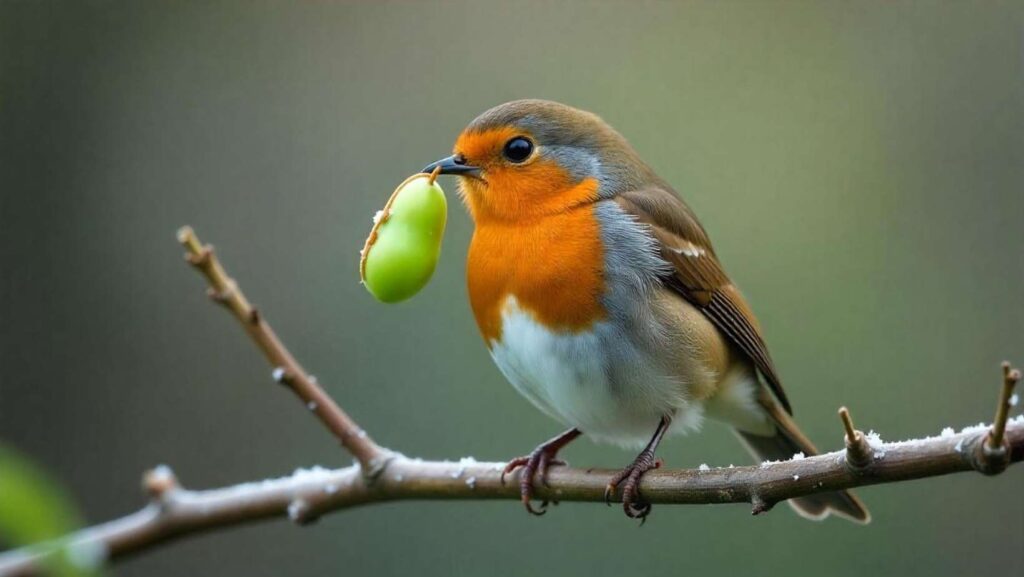
Would you want to know about snow peas for birds? From what I’ve seen, birds are indeed able to consume snow peas. In addition to being an excellent source of fiber and other nutrients, snow peas, together with their pods, can be administered to birds in either their raw or minimally cooked form.
There are a lot of birds who appreciate the texture and flavor of snow peas, and the edible pods can encourage birds to eat them playfully.
However, that is not all; as you continue reading, I will provide you with further information on the topic matter.
Now, let’s get started
Are snow peas good for birds
In a surprising turn of events, parrots are big fans of peas. In point of fact, it appears that they like them those of other types of food.
There are some varieties of peas that they appear to prefer more than others.
An example of this would be that they appear to prefer split peas and snow peas. In addition to that, they enjoy the odd sugar snap pea.
For the following reasons, snow peas are an excellent choice for birds:
Dense in nutrients: In addition to other vegetables, snow peas are a good source of critical elements such as fiber and several vitamins.
Playful and engaging: the pod itself may be a fun food source for birds, and the pleasant crunch encourages them to engage with their meal.
Birds can engage with their food in several ways.
Safe for most of bird species: Snow peas, whether raw or cooked, are safe for the majority of bird species to ingest.
Considerations of Vital Importance:
Despite the fact that snow peas are a beneficial supplement to a bird’s diet, it is important to remember that they should be provided in moderation as part of a well-balanced diet.
In the same way that you would introduce any new meal to your bird, you should gradually introduce snow peas to your bird and keep an eye out for any symptoms of stomach discomfort or allergies.
What are the benefits of peas for birds
Because of their high nutritional value, peas provide a number of advantages for birds. Peas provide a delightful crunch and the chance for birds to separate the peas from their pods, making them an entertaining and engaging food option.
Here is a closer look at the advantages:
Value of Nutrition:
Peas are a nutrient-dense supplement to a bird’s diet since they are high in fiber, plant-based protein, and vitamins A, C, and K.
Birds require carbohydrates, which are found in peas, as an energy source.
Digestive Health: Peas’ high fiber level promotes healthy digestion, which enhances general well-being and lifespan.
Digestibility: Birds may safely consume raw peas, and they can digest cooked or sprouted peas even more readily.
Pleas are a delightful and interesting food item for birds since they frequently love the difficulty of removing them from their pods.
Prebiotic Effect: By promoting good bacteria, the fermentable carbs and fibers in peas help improve intestinal health.
Snow peas are legume seeds that are well-known for having a high nutritional content. They are a great source of plant-based protein, which is necessary to keep birds healthy and energized.
They also include important carbohydrates that provide birds the energy they need to go about their everyday lives.
Can birds eat uncooked peas
Birds are unable to digest a wide variety of fresh vegetables, yet they are able to consume sugar snap peas, sweet corn, and even leftover mashed potatoes.
Additionally, raw meat is indigestible; nevertheless, bacon, rinds, and fat that have not been salted are a wonderful source of protein for individuals who consume insects.
I will now provide a more in-depth explanation:
In most cases, raw peas are safe to consume:
Raw peas are digestible by a wide variety of birds; however, it may be more difficult for smaller species to digest them.
Peas that have been cooked are recommended:
Peas are simpler for birds to digest and appreciate when they are cooked rather than raw.
As a sweet treat, peas:
Although they can be provided as a treat or as a component of a varied diet, peas should not be the major source of nutrition for the animal.
It is not advised to consume dried peas:
When birds consume dried peas, it can be quite challenging for them to digest them, particularly for smaller species, and they might not find them to be very appetizing.
The power of moderation:
Peas, like any other delicacy, should be served in moderation in order to prevent any discomfort that digestive disorders may cause.
How do I stop birds from eating our sugar snap peas
To keep birds away from your plants, you should also think about employing scare techniques like wind chimes or reflective tape or even setting up an area with different food sources.
Here is a more thorough analysis of successful strategies:
1. Physical Obstacles:
Bird netting may be used to physically enclose your pea plants and keep birds away from them.
Fencing: If your pea plants grow in raised beds or containers, you may also use a wire fence to erect a barrier around them.
2. Deterrents for Birds:
Reflective tape:
To keep birds away from your plants or adjacent structures, hang reflective tape around them. The tape’s mobility and glitter can deter birds and cause disturbances.
Wind Chimes: You may also use wind chimes to frighten birds away, especially if they have a loud, metallic sound.
Scarecrows: In bigger fields or gardens, traditional scarecrows are an especially good method of discouraging birds.
3. Other Food Sources: Feeders for birds. To draw birds away from your pea plants, provide them with a separate eating area with birdseed or other food sources.
4. Companion Planting: Marigolds: Because marigolds are known to repel some bird species, put them next to your pea plants.
5. Variety and Timing:
Early Planting: To give your pea plants a greater chance of maturing before birds become an issue, start them early in the season, before the period of peak bird activity.
Can you eat raw split peas
No, eating raw split peas is usually not safe. Compounds such as lectins found in raw split peas might lead to pain and digestive issues.
To break down these chemicals and render them safe for consumption, proper heating is required.
Why eating raw split peas is unsafe:
lectins
Lectins are proteins found in raw legumes, such as split peas that can obstruct digestion and the absorption of nutrients.
Digestive Problems: Bloating, gas, nausea, vomiting, and diarrhea can all result from eating uncooked split peas.
Possibility of Illness: Uncooked or undercooked beans may occasionally result in more serious digestive problems.
Consumption safety:
Cooking is necessary: Split peas should always be cooked through before consumption.
Soaking: Although it can save cooking time, soaking is not always required and does not replace cooking.
Cooking correctly: Depending on the texture you want, split peas should be cooked for a long enough period, usually an hour.
Fresh peas are a popular legume that may be eaten raw or cooked
Final thought
Now that we have established snow peas for birds, Birds are unable to digest a wide variety of fresh vegetables, yet they are able to consume sugar snap peas, sweet corn, and even leftover mashed potatoes.
Additionally, raw meat is indigestible; nevertheless, bacon, rinds, and fat that have not been salted are a wonderful source of protein for individuals who consume insects.