
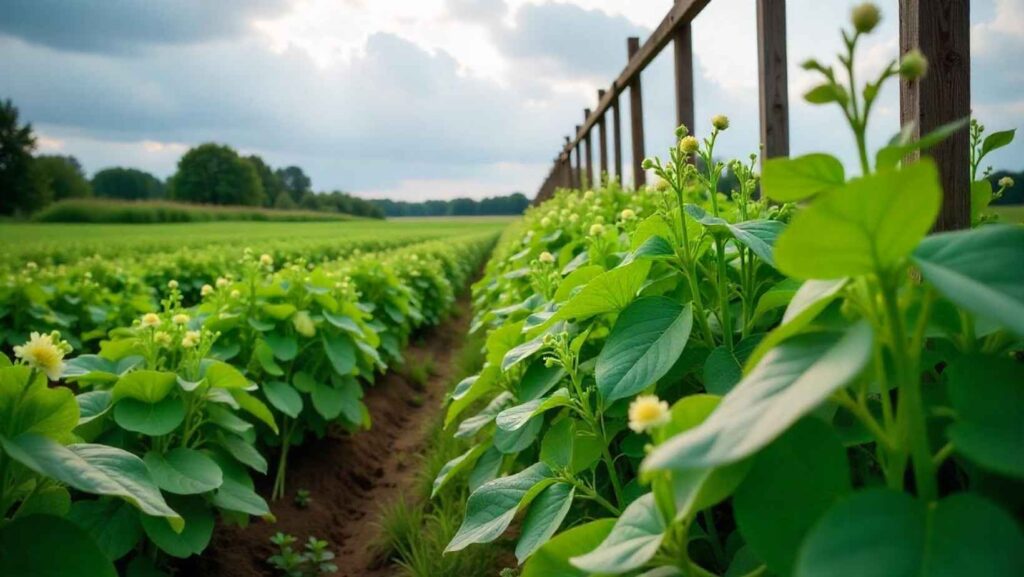
Would you want to know about snow pea pests and diseases? There are a number of illnesses and pests that can affect snow peas, including fungal infections such as powdery mildew and downy mildew,
Insect pests such as aphids, pea weevils, and thrips, and diseases such as root rot and Fusarium oxysporum.
My personal experience has shown that snow peas are sensitive to these diseases and pests.
However, that is not all; as you continue reading, I will provide you with further information on the topic matter.
Now, let’s get started
What are the pests in Snow Peas
A number of different pests, including as aphids, pea moths, slugs, snails, leaf miners, Mexican bean beetles, thrips, root-knot nematodes, and mites, have the potential to cause damage to snow peas.
Flea beetles, grasshoppers, root maggots, and spider mites are some of the other possible pests that might enter a home.
Additionally, snow peas are susceptible to a number of diseases, including powdery mildew and downy mildew, among others.
What is the major insect pest of peas
Aphids, particularly the pea aphid, also known as Acyrthosiphon pisum, the pea moth, also known as Cydia nigricana, and the pea leaf miner, also known as Phytomyza atricornis, are the most significant insect pests attacking pea.
These pests have the potential to not only lower production but also inflict considerable harm to pea plants.
Aphids are microscopic insects with short, soft bodies that feed on the sap of plants. As a result, they cause the plant to become yellowed, stunted, and distorted.
They are also responsible for the production of honeydew, which is a sticky material that is attractive to ants and can result in the growth of sooty mold.
Pea Moth: The pea moth is a damaging pest of peas because its larvae consume the peas that are contained within the pods of the pea plant.
Because of this, the peas may become damaged or disappear entirely, which may affect both the quality and quantity of the crop.
The pea leaf miner is a pest that feeds on the leaves of the pea plant. It is also known as the pea leaf harvester.
Because the larvae consume the epidermal layers of the leaf, they create tunnels or “mines” that are serpentine in appearance.
What is the fungus on Snow Peas
The powdery mildew disease is a fungal infection that affects the stems, pods, and leaves of any plant.
Discoloration appears on the stems and leaves of the plant. After some time has passed, the spots will reveal typical white mats of powdery fungal growth, which will impart a bluish hue to the leaves.
The white mats may contain the fungus’s little fruiting bodies, which are black.
The following is a more in-depth examination of some of these fungal problems: Fusarium Wilt:
This soil-borne fungus can cause withering and death of plants, and when the stems are removed, they frequently have a reddish coloring.
Powdery mildew is a disease that can impede the growth of plants and is characterized by a white, mealy coating that is seen on the leaves, stems, and pods of the plant specimen.
Blight caused by Ascochyta: This disease can cause black spots to appear on the leaves and stems of plants, particularly when the weather is chilly and wet.
Downy mildew is a disease that can create patches of a pale yellow color on the top side of the leaves and a fungal growth that is grayish-white in color on the underside of the leaves.
How do you protect snow peas
Protecting snow peas from freezing weather, pests, and illnesses should be your priority.
For added protection, mulch the base, use row covers or cloches when frost warnings are in effect, and consider growing in a cold frame or greenhouse.
Reduce fungal diseases like powdery mildew by avoiding overcrowding plants and using traps or pellets to keep pests like slugs and snails away.
Here’s a more thorough explanation:
Defending Against Cold:
Row Covers or Cloches: To protect the plants from harm during chilly nights or frost warnings, cover them with row covers or cloches.
Mulch: Applying mulch at the base of the plants offers some insulation and aids in controlling the temperature of the soil.
Cold Frame or Greenhouse: For the best protection in areas that experience frequent freezing, think about cultivating snow peas in a cold frame or greenhouse.
Keeping Diseases and Pests at Bay:
Snails and Slugs:
To stop these pests from causing harm, use slug and snail pellets or beer traps.
Powdery Mildew: Reduce the risk of powdery mildew by not packing plants too densely while they are being planted and, if at all possible, by not watering them from above.
Other Pests: To prevent cutworms, wrap seedlings in cardboard collars or encircle them with toothpicks.
Additional Advice:
Trellising: Use snow peas to support vines so they stay erect and off the ground, where they may rot in rainy conditions.
Propagation: Snow peas can be grown from seed or seedlings every year.
Harvesting: For the finest flavor, harvest snow peas when they are still young and little.
How to treat brown spots on Snow Peas
The goal of treating brown spots on snow peas is to stop them from spreading. Removing diseased leaves, increasing airflow, and using natural fungicides like baking soda solutions or neem oil can all help achieve this.
You may also apply chemical fungicides that contain trifloxystrobin and tebuconazole or potassium bicarbonate.
A more thorough explanation of prevention and therapy is provided below:
1. Get rid of the diseased leaves:
To stop the illness from spreading, trim off any leaves or plant components that have brown stains.
To prevent cross-contamination, sterilize your instruments both before and after pruning.
2. Enhance Air Circulation: Give plants enough room to breathe, which helps to dry their leaves and lowers humidity, which encourages the growth of fungi.
Don’t put too many plants together.
3. Natural Therapies:
Neem Oil:
Neem oil works as a natural fungicide and bactericide when applied often (every 7–14 days).
Baking Solution with Soda:
Spray plants with a solution of baking soda (1 tablespoon per gallon of water) and a drop of soap.
Fungicides based on copper:
Use fungicides based on copper, being sure to apply them according to the label’s instructions.
4. Chemical Fungicides (if required): Take into account applying fungicides that contain active components such as tebuconazole or potassium bicarbonate in combination with trifloxystrobin.
Follow the label’s instructions to ensure that every area of the plant is completely covered.
5. Additional Preventive Actions:
Crop rotation: To disrupt the cycle of pathogens that cause illness in the soil, rotate your crops.
Use seeds and plants that are free of illness.
Watering plants correctly lowers the chance of fungal development by allowing them to dry before nightfall.
Soil Health: To enhance soil structure and nutrient availability, make sure the soil drains properly and is treated with compost.
Deficiencies in some nutrients, such as potassium or nitrogen, should be addressed since they can weaken plants and increase their susceptibility to disease.
Options for Treating Fungi as Well:
Take Quick Action: To prevent the spread, remove contaminated leaves.
Application of Fungicide: Choose a fungicide suitable for snow peas.
Natural Treatments: A mild initial line of defense is a solution of baking soda and soap.
Preventive Actions: Boost the flow of air around plants.
Final thought
Now that we have established snow pea pests and diseases, Powdery mildew is a fungal disease that can harm snow peas.
Powdery mildew is more likely to occur in rainy or humid environments, as well as in situations where there is inadequate air circulation.
At the time of planting, avoid crowding seeds or seedlings, and if at all possible, steer clear of watering them from above. This will help lessen the danger.