
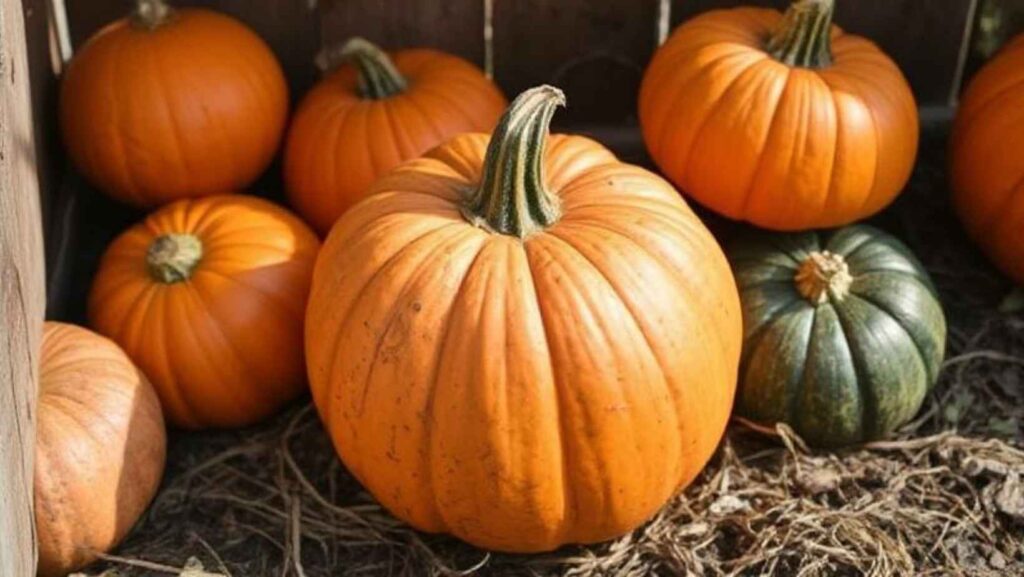
Would you want to know pumpkin nutrition facts? From what I’ve seen, Pumpkin is a food that is loaded with nutrients.
It is noted for its high vitamin A content, fibre, potassium, and other vitamins and minerals.
It has a low-calorie count and offers a healthy proportion of carbs, protein, and fat in its composition.
However, that is not all; as you continue reading, I will provide you with further information on the topic matter.
Now, let’s get started.
What are the Pumpkin nutritional facts and why you should incorporate it into your diet
Fall has arrived, and although pumpkin spice lattes are delicious, they’re not the best way to include Pumpkin in your diet.
Pumpkins have several nutritional advantages in addition to their great flavor. Did you know that there are only 49 calories in one cup of Pumpkin?
They also include 3 grams of fiber, 12 grams of carbs, and no fat or salt.
Here are four healthy benefits to include Pumpkin in your diet, as there will be a lot of them this month.
Aids in muscle growth: Include some pumpkins in your diet to aid in muscle growth. Five grams of protein are found in two tablespoons of pumpkin seeds without the shell, making them a rich plant source of protein.
Prevents colds: Flu and cold season is quickly approaching. Utilize the abundance of pumpkin seeds to strengthen your defenses.
Zinc is found in pumpkin seeds and is important for a healthy immune system.
An excellent substitute for unhealthy cooking is to incorporate pureed Pumpkin into savory dishes, smoothies, and baked cereals.
To cut fat in baked goods, it can be used in lieu of butter, oil, or margarine.
A good source of vitamin A
A is necessary for maintaining eye health, promoting healthy development and reproduction, supporting a healthy immune system, lowering the risk of acne, supporting bone health, and maybe reducing the risk of some types of cancer.
In summary, Pumpkin may be easily incorporated into both savory and sweet recipes.
What are the Health Benefits of Pumpkins
1. Vitamin A source
Carotenoids (beta-carotene, alpha-carotene, and beta-cryptoxanthin) are abundant in pumpkins and give them their orange hue.
Our bodies use these carotenoids to produce vitamin A.
For people 18 years of age and above, 750 micrograms of vitamin A (retinol equivalent) should be consumed daily.
Preventing night blindness, preserving retinal function, and protecting the cornea all depend on vitamin A.
In addition to being beneficial for your eyes, Pumpkin’s high vitamin A content also strengthens your defenses against viruses and infections.
Carotenoids are released when well-cooked Pumpkin is cooked and chewed.
Cooking Pumpkin with healthy oils or adding healthier fat will aid in the absorption of carotenoids because they are fat-soluble. #healthy
2. Packed with antioxidants
Pumpkin contains carotenoids that have antioxidant properties, such as lutein, zeaxanthin, beta-cryptoxanthin, lycopene, and alpha and beta-carotene.
Vitamin C, another antioxidant found in Pumpkin, helps shield your body from oxidative stress and helps against heart disease, cataracts, age-related macular degeneration, and some types of cancer.
3. Rich in fiber and carbs
As a starchy vegetable, Pumpkin gives us the energy and carbohydrates our bodies need to function.
Because Pumpkin is high in fiber, it prolongs feelings of fullness and lessens the need to snack in between meals.
Additionally, the increased fiber content encourages more frequent bowel motions.
A cup of Pumpkin only has around 50 calories, which is the same as one slice of white bread, despite the fact that they are calorie-dense.
4. Has additional minerals and vitamins
Other vitamins and minerals found in Pumpkin include potassium and trace levels of iron, folate, and magnesium. To be healthy, you need these nutrients.
As part of a healthy, balanced diet, don’t forget to incorporate lean meats, whole grains, and other vibrant fruits and vegetables.
What is the Nutritional profile of Pumpkin
One serving of Pumpkin that has been cooked has 10 calories, 42 kilojoules, and 0.5 grams of protein.
15% Carbohydrates and 0.2 grams of fat
1.4 grams of sugars
1.2 grams of fiber 67 milligrams Potassium 764 micrograms Six milligrams of carotenes C, or vitamin One component of your five-a-day consists of Pumpkin, which is equivalent to approximately three heaping tablespoons of Pumpkin that has been diced and cooked.
Please take a look at our infographic that can be printed out to see what constitutes a total of five meals every day.
Is Pumpkin safe for everyone
Although Pumpkin is generally harmless for most people, some people may have an allergy to it; this might be because of cross-reactivity with other fruits in the same family, the Cucurbitaceae.
The chemicals in pumpkin seeds seem to have a diuretic effect, and if you eat a lot of them at once, your urine may include more fluid and electrolytes.
Is Pumpkin healthy, then?
Pumpkin has several health advantages and is a great complement to a diverse, nutritious diet, so it’s not only for Halloween.
Enjoy one of the recipes below, and remember to save the seeds so you don’t waste your jack-o’-lantern’s insides.
Recipes for healthy Pumpkin:
- Hummus with Pumpkin
- Lentil and creamy pumpkin soup
- Chicken with chickpeas and Pumpkin
- How to handle pumpkin seeds
- More nutritious dishes for squash and Pumpkin
What are the Health Benefits of Pumpkin
Here are a few of the main advantages of Pumpkin in case you were wondering what they were.
Promotes Heart Health:
There are several heart-healthy advantages of Pumpkin. It has potassium and fiber.
Potassium may control blood pressure, while fiber can lower cholesterol. Additionally, arginine, an amino acid that produces nitric oxide, is found in Pumpkin.
It also reduces blood pressure and encourages blood vessel relaxation.
Antioxidants included in pumpkins can also help stop the oxidation of LDL cholesterol, which hardens arteries and raises the risk of heart disease.
Promotes Bone Health: Magnesium is abundant in pumpkin seeds. It is a mineral that is essential for strong and healthy bones.
Those who consume enough magnesium tend to have better mineral density in their bones. It slows the progression of osteoporosis and lowers the incidence of bone fractures.
Reduced blood calcium levels and increased inflammation have been linked to low magnesium levels.
Increases Immunity: Consuming Pumpkin and its seeds might help strengthen your defenses against illness.
Because pumpkin seeds contain zinc, their nutritional value also includes strengthening the immune system.
In the meantime, Pumpkin’s beta-carotene stimulates the immune system to fend against infections and transforms into vitamin A.
Additionally, it includes vitamin C, which boosts immune cell effectiveness, promotes the creation of white blood cells, and accelerates wound healing.
Antioxidants like those found in pumpkins can boost your body’s defenses against free radicals.
Aids in eyesight: Everyone needs to maintain good eyesight. Vitamins C, E, and beta-carotene, which are found in pumpkins, help support eye health and lower the incidence of age-related eye problems.
They also contain a lot of zeaxanthin and lutein.
These carotenoids are believed to enhance eyesight and reduce the risk of cataracts. The most prevalent cause of blindness, macular degeneration, may be avoided with lutein.
Facilitates the Loss of Weight and the Maintenance of a Healthy Weight:
Healthy weight control is only one of the many health advantages of pumpkins and pumpkin seeds.
Pumpkin is a high-fiber, low-calorie meal.
Pumpkin’s fiber content might help you feel fuller for longer. Additionally, it decreases blood sugar and cholesterol, encourages regular bowel movements, and improves the gut’s absorption of minerals.
All things considered, it can facilitate digestion and support gut health.
Additionally, pumpkins contain a lot of water, which might help you feel fuller longer and prevent overeating.
Beneficial for Diabetes: Pumpkin fiber can aid with blood sugar regulation. It has advantages including helping with weight loss and sustaining steady energy levels.
Additionally, eating Pumpkin may lower your chance of getting diabetes in the long run.
You may be able to reduce your risk of developing diabetes as well as other chronic diseases, including liver damage and obesity.
Final thought
Now that we have established pumpkin nutrition facts, A nutrient-dense food with many health advantages is Pumpkin. It strengthens immunity, encourages good skin, and supports heart health.
Pumpkin’s health advantages also include helping with weight loss, skin and hair health, and more.
Equally advantageous are pumpkin seeds, whose health advantages can enhance general well-being, especially for women.
It supports intestinal health and eases menstruation symptoms.
Pumpkin is a great addition to any diet because of its high nutritional content and many health advantages.
It has substantial health benefits in addition to a great flavor.