
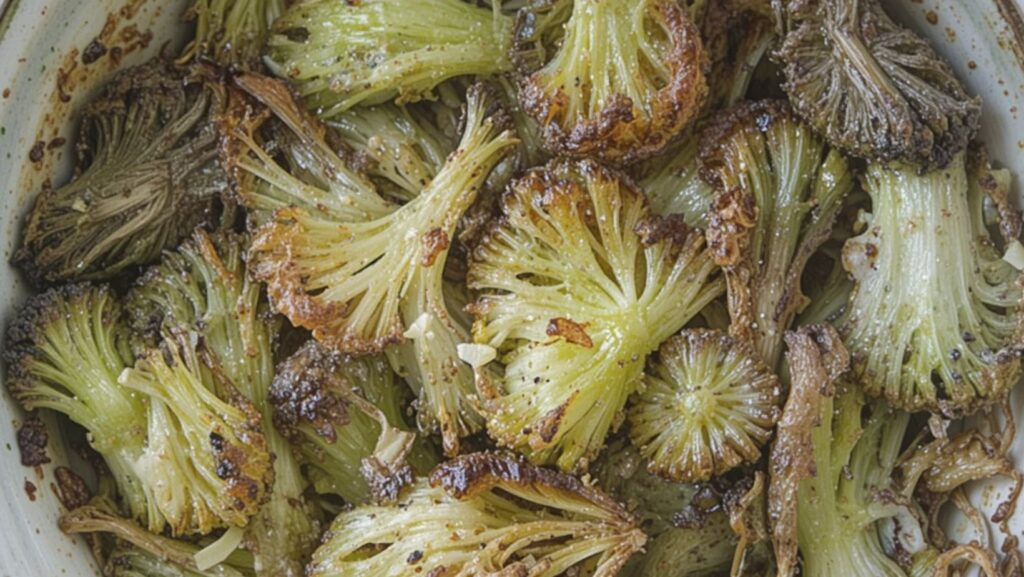
Would you want to know How to revive wilted vegetables and reduce waste? For the purpose of reviving wilted vegetables and minimizing the amount of food that is wasted,
I have found that soaking them in a bowl of cold water for fifteen to thirty minutes and then storing them in a container that is lined with paper towels is an effective method.
It has wilted. Certain veggies require a longer period to be revived, but in most cases, a fast soak in ice water for around ten minutes is sufficient. Lettuce, leafy greens, cabbage, beetroot, limp celery, asparagus, and carrots are some examples of vegetables that can be revitalized through the use of the rapid soak method.
However, that is not all; as you continue reading, I will provide you with further information on the topic matter.
Now, let’s get started.
What are the Three Ways to Revive & Refresh Leafy Greens
#1: Utilize Salad Spinner BEST FOR Mini or mildly wilted greens in bags. Arugula, spinach, kale, spring mix, and cabbage and coleslaw mixes are examples.
HOW TO Soak the greens momentarily by gently swooshing them in just warm water in the salad spinner base.
Putting the greens in the spinning basket makes it easier to lift them all at once. You may also use a clean sink or basin.
Use the grit at the base to guide you while doing this with fresh water many times. Remove wet or rotten leaves/stems.
Rinse the base and discard the cleaning water. Run the spinner to remove excess water without damaging the greens. Remove the base’s water and rinse again.
THEN WHAT? The greens can be used immediately or chilled in the salad spinner for many days.
Sometimes, I lay a paper towel on top to protect the greens from drying out in the fridge without retaining moisture.
2. Soak Greens in Ice Water. Suitable for sensitive or strong greens, loose or in bunches.
HOW TO Swish the greens in a dish of barely warm water to clean them. Would a salad spinner base work instead of a bowl? Absolutely.
Several water batches may be needed to remove all grit from the bowl. Remove the grit and fill the dish with cold water and ice cubes.
Immerse the greens in freezing water for 30 minutes. Drain the greens and dry them with a salad spinner or double-layer paper towels.
AND THEN Use immediately to produce a fresh, crispy salad, or cover and refrigerate.
#3: Treat Greens Like Flowers BEST FOR Bunched-stemmed greens. Hydration through the stems is crucial.
If necessary, soak the greens before rinsing them under running water. Bundle the greens and bind them with a metal tie or rubber band.
Remove the stems by at least a quarter inch, generally a half inch. I like mason jars, but vases work well!
What are the Practical Tips for Preventing Waste with Fruits and Veggies
These techniques can help you maximize farm stand hauls this summer and reduce food waste. Many of the fruits and vegetables listed here include recipe collections to make them more tastier!
1. How to store fruits and vegetables to avoid waste
One of the best ways to get your produce haul into your family’s mouths is to store it correctly right away.
Proper food preservation will bring out the best in your produce and maximize flavor and nutrients.
Not all harvested food prefers the same climate. Tomatoes, onions, and garlic at room temperature.
Bananas, potatoes, and certain citrus thrive in a cold, dry place outside the fridge. Brown paper bags make good mushroom storage.
Some things should not be cleaned or peeled before use, although most may be refrigerated. Some benefit from a wet paper towel or storage separate from other produce.
2. Use Vegetable Tops and Bottoms
In her 2015 cookbook A Girl and Her Greens, Chef April Bloomfield popularized carrot top pesto.
Her pan-roasted carrots with carrot-top pesto and burrata taught North Americans to appreciate tap root crowns.
We shouldn’t only focus on carrot tops.
Radish, turnip, rutabaga, and beet greens sauté well with butter and garlic. Kohlrabi, cultivated for its mild bulb, is typically offered with greens that can replace collards.
3. Handle vegetable seeds and stems
You may chop them for stir-fries or smoothies with a high-speed blender. Same with broccoli stems. Peel, dice, and freeze to add to your daily fruit, vegetable, and milk smoothies.
Cut into finger-length pieces, bundle, and tie with chard leaf ribbon, chard stems make an exquisite side dish when steamed or braised.
Herb stems can be arranged in bouquets for soups and sauces. Add extra delicate basil, parsley, cilantro, or dill stems to your pesto.
Roasted squash seeds, including pumpkin seeds, provide crunch to salads, replace pine nuts in pestos, and make healthful snacks.
How to revive old fruit and veg to reduce waste – and save money
1. Floppy celery
Place the celery stalks in a glass of water till crisp after cutting the bottom (you can grow new celery from it).
They’re delicious alone or with hummus. Chopped celery with onion and carrot makes a good soup, chili, or stew foundation.
2. Sad carrots
Stand the carrot root-side down in a glass of water after cutting off the top. Wait about an hour. Grate the lot for summer slaw.
3. Weakening herbs
Trim the stem ends and stand floppy herbs like coriander, mint, and parsley in water to revitalize them.
Finely slice the bushier and brighter vegetables into a mustard, vinegar, and olive oil salsa verde.
Have a forgotten caper or anchovie jar? Cut those into the mix and freeze or enjoy with roasted veggies, eggs, or wraps.
4. Limp lettuce
Place lettuce roots in a jar or loose leaves in a dish of cold water.
For a summer salad, grill lettuce wedges and combine them with blue cheese dressing and bread croutons. You may also add lettuce to odds-and-ends soup!
5. Beets
Peel and place beetroots in cold water to revive. Why not pickle them if you won’t use them right away?
Pickling is easy, and an excellent method to preserve cauliflower or cabbage cores, fennel bulb skins, and beetroot stems.
Heat 20g salt in 1 liter of water gently until dissolved. Slice the beetroots and place them in a clean jar with the brine.
Cover the jar and allow it at room temperature for a week, unscrewing the cover to release gasses. Store it in the fridge for months to consume when it’s sour and pickled.
6. Drooping spring onions
Spring onions will regenerate in a glass of water after many days! Cut them into savory muffins, frittatas, or fritters to consume.
Serve them with aioli for dipping after grilling them on the BBQ.
7. Peppers red
Soak sliced peppers in cold water to revive them. We enjoy peppers slow-roasted till delicious in olive oil or stir-fried.
8. Wrinkly potatoes
Refresh potatoes in cold water after peeling. Slice and roast into chips or grate for excellent potato rostis.
9. Berries
Infuse sad-looking berries in sugar, cordial, or fruit juice and refrigerate for an hour to brighten, sweeten, and saucify them. Eat dessert with ice cream or thick yogurt.
How to Resurrect Limp Vegetables
Here are two easy ways to enjoy your veggies.
Ice Bath:
An ice bath is the ideal technique for any leafy green, including lettuce, collard greens, and spinach.
Add a few ice cubes to a big dish of cold water, then immerse your (washed) leafy leaves. To keep the dish cool, put it in the refrigerator.
The leaves will “drink up” the water and become crisp and fresh after just twenty minutes!
I prefer to leave my lettuce in the ice bath in the refrigerator for a few days, even though other blogs suggest simply doing it for 20 minutes. It stays fresh and doesn’t go bad!
Green beans and potatoes also benefit from an ice treatment. Before immersing the potatoes in an ice bath, just peel them.
Glass of Water: Broccoli, asparagus, carrots, and celery may all be prepared this way. Cut off the bottoms of the veggies and set them upright in a large glass of water for about 30 minutes, or until they are crisp.
This technique is also excellent for herbs. Simply replace the water frequently to keep the stalks from developing mold.
How to make vegetables crisp again
To rejuvenate limp celery, broccoli, beets, carrots, potatoes, and radishes, all you have to do is cut off the ends and immerse the veggies in a glass bowl or mason jar full of ice-cold water for a few hours or overnight.
This will allow the vegetables to rehydrate and become crisp once again.
If you immerse lettuce, kale, and chard in an ice bath for an hour before using them in a salad or vegetable sauté, you can bring them back to life and bring them back to life.
If you soak berries that are overly soft in sugar water for a few hours, they will take on a syrupy consistency and become ideal for topping cakes and ice cream.
Final thought
Now that we have established How to revive wilted vegetables and reduce waste, If you are unsure, purée it. If you have veggies that have been overcooked or disappointing foods, you may always turn them into soups or sauces.
Please put them in the blender along with some milk, cream, or soup stock and mix until smooth.
The following vegetables are ideal for this purpose: broccoli, carrots, cauliflower, potatoes, and even leftover stir-fried.