
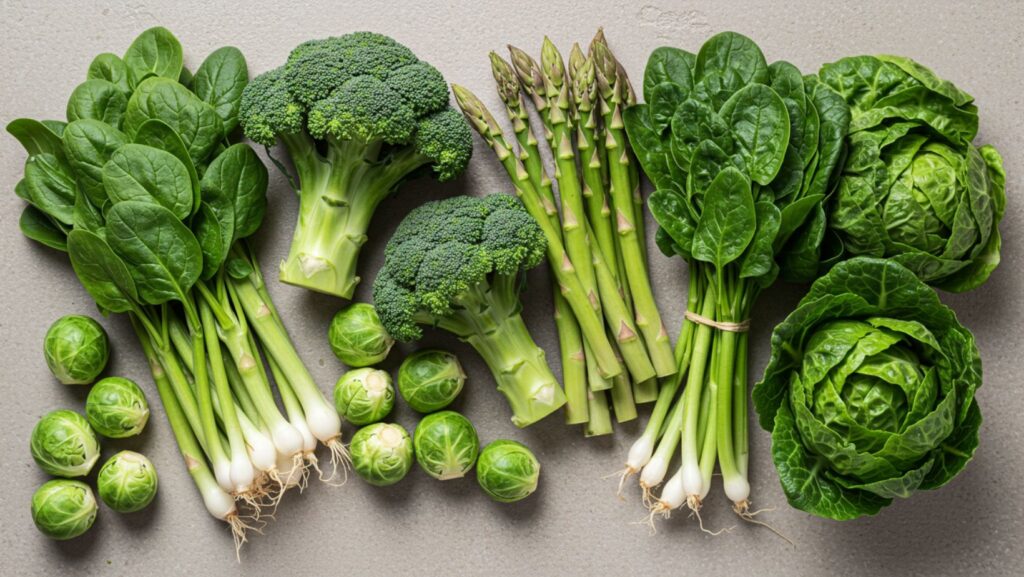
Would you want to know about High-protein vegetables for bodybuilding? My experience has shown me that a variety of vegetables, such as spinach, asparagus, Brussels sprouts, chickpeas, edamame, peas, lentils, and broccoli, are high in protein.
Optimizing your body composition is the aim of trying to gain muscle; thus, you should spend most of your time concentrating on your macronutrient intake rather than your micronutrient intake.
Food quality is crucial, particularly if your goal is to build muscle.
A effective bodybuilding nutrition regimen requires the presence of beneficial vitamins, fiber, minerals, complex carbs, and phytonutrients, all of which are found in vegetables.
Therefore, since they offer greater energy and potential increases, veggies with higher calorie and complex carbohydrate contents are often the best for bodybuilding.
But that’s not all; I’ll teach you more about the topic as you read on.
Now, let’s get started.
What are the Essential High Protein Vegetables for Every Bodybuilding Diet
The Top High-Protein Vegetables for Weight Loss and Bodybuilding:
1. Soybeans
With 28 grams of protein per cooked cup, soybeans have the highest protein content of any bean. That is the same amount of protein as 150 grams of chicken.
Soybeans are a key component of plant-based diets as they are one of only two full sources of plant protein, along with quinoa.
In addition, soybeans include 15 grams of fat and 17 grams of carbohydrates, among other beneficial elements.
Additionally, they offer a source of unsaturated fat to support cardiovascular health and insoluble fiber to support digestive health.
2. Edamame
The protein content of tiny edamame pods is substantial. Most likely, you’ve eaten them as an accompaniment at a Japanese restaurant without realizing how beneficial they are for your protein intake.
When soybeans are immature and cooked in their pod, the result is edamame.
When combined with your main protein dish, they will provide you with nearly all of the 30 grams of protein that are advised at each meal. They include 22 grams of protein per cup.
3. Lentils
Lentils are the greatest legumes, but other legumes provide excellent vegan protein sources.
With just 230 calories per serving and 18 grams of protein per cup, lentils are a fantastic side dish for anybody watching their calorie intake.
Additionally, lentils are a rich source of dietary fiber and contain high levels of the minerals iron, phosphorus, thiamin, and folate.
They may be formed into meatless, high-protein patties, added to soups, or served over a cold salad.
4. Another well-liked superfood that is high in protein is spinach.
This dark leafy green is a nutritious, high-protein vegetable that should be a part of any athlete’s diet since it is full of vitamins, minerals, and antioxidants.
Spinach is a fantastic addition to smoothies or a lunch or supper side dish since it has 3 grams of protein per half cup.
5. Kale
Kale is an even better superfood choice than spinach, and it can be added to nearly everything.
Add kale to your diet for its fiber, protein, thiamin, folate, iron, magnesium, and vitamin contents, amongst a number of other helpful elements.
With 3 grams of protein per cup, kale is a fantastic addition to soups, salads, casseroles, smoothies, and other dishes to provide a significant protein and nutritional boost.
What are the Vegetables high in protein
Lentils
The protein content of a half-cup of lentils is around 8 grams, which is comparable to the protein content of an ounce of lean steak.
Broccoli Broccoli is high in fiber and has about 3 grams of protein per cup.
Peas Peas are a strong source of vitamins A and C and include about 9 grams of protein per cup.
Edamame
With 18 grams of protein per cup, cooked edamame is a wonderful option for vegans and vegetarians.
Edamame
With 18 grams of protein per cup, cooked edamame is a wonderful option for vegans and vegetarians.
Spinach
In addition to being strong in antioxidants, folate, and vitamins A and K, one cooked cup of spinach has around 5 grams of protein.
Brussels sprouts
Brussels sprouts are a fast and delicious snack that contains 5–6 grams of protein per cup.
The chickpea
Chickpeas may be added to salads, curries, or hummus, and 100 grams of them provide 19 grams of protein.
The asparagus
Protein, folate, and vitamins K, A, and C are all abundant in asparagus.
Artichokes
There are around 4.9 grams of protein in one cup of artichoke hearts.
Potatoes, yellow sweet corn, and green beans are additional veggies that are strong in protein.
Can You Get Adequate Protein From Vegetables
Yes, eating just high-protein veggies will help you meet your protein intake targets. Many vegan and vegetarian athletes use plant-based protein to gain muscle.
You need to make some changes to your diet, whether your goal is to reduce your intake of animal products or increase your intake of vegetables.
You may get inventive, even if a single serving of chicken breast can provide 30 grams of protein more quickly than many servings of spinach.
You may boost the protein level of your plant-based meal by adding several high-protein veggies to stews or stir-fries.
Dietitians advise obtaining the majority of your nutrients from food, but if you have trouble getting enough protein, you can take supplements.
Increasing your consumption may be achieved by preparing shakes with premium vegan protein powder.
A fantastic option is soy protein powder. It has every key amino acid you need to gain muscle mass, making it a complete protein source.
What are the Best High-Protein Vegetables
Vegetables may be the main course, even if you may be accustomed to eating them as a salad or side dish.
The greatest high-protein veggies to support a vegan diet or increase your nutritional intake are listed below.
Edamame: One variety of soybean belonging to the legume family is edamame beans. One of the veggies with the highest protein content is edamame.
They are also an excellent source of nutritious carbohydrates and include folate and vitamin K.
There are 18.5 grams of protein, 12 grams of fat, and 13.8 grams of carbs in one cup of edamame.
Lentils: The legume family includes lentils as well. Due to their high vitamin content, some people view them as a superfood.
They are rich in potassium, phosphorus, magnesium, and B vitamins. They are rich in fiber and a fantastic source of protein.
17.9 grams of protein, 0.8 grams of fat, and 39.9 grams of carbohydrates are included in one cup of lentils.
Black beans are a fantastic addition to a stir-fry and are quite adaptable. They provide fiber to keep you full and antioxidants to strengthen your immune system.
Black beans provide 41 grams of carbohydrates, 1 gram of fat, and 15 grams of protein per cup.
Garbanzo beans, often known as chickpeas, are a nutty legume that is the primary component of falafel and hummus.
Fiber, protein, folate, and B vitamins are all found in chickpeas.
A cup of chickpeas has 45 grams of carbohydrates, 4 grams of fat, and 14.5 grams of protein.
Another superfood to include in your diet is mung beans. All of the necessary amino acids required for muscular growth are abundant in them.
Potassium, magnesium, phosphorus, and other antioxidants found in mung beans may also help decrease cholesterol and blood pressure.
How can I increase my protein intake from vegetables for muscle building or athletic performance
Focus on plant foods high in protein if you want to enhance your intake of protein from veggies for muscle growth or improved athletic performance.
Consume quinoa, seitan, edamame, tofu, tempeh, lentils, and legumes. To guarantee a comprehensive amino acid profile, mix various protein sources.
If necessary, add plant-based protein powders as a supplement.
Detailed Reaction:
Pulses and Legumes: Add peas, lentils, chickpeas, and beans to your meals. These are adaptable and may be used as main courses or in soups and salads.
Tempeh and tofu are both sources of soy protein. While tempeh is a nutty-flavored fermented soy product that can be used in a variety of recipes, tofu may be used in smoothies, stir-fries, or grilled.
Quinoa: Packed with amino acids, quinoa is a complete protein. Use it as a side dish or as a foundation for bowls or salads.
Edamame: Fresh or frozen young soybeans that are high in protein and may be eaten on their own or added to salads and stir-fries.
Seitan: A high-protein alternative to meat, seitan is made from wheat gluten. It may be added to a variety of meals or grilled or sautéed.
Greens with leaves: Broccoli, spinach, and kale are good sources of protein, although they are not as high in protein as other foods.
Plant-Based Protein Powders: To meet your protein targets, think about taking supplements made from rice, hemp, or pea protein. These may be used in dishes or added to smoothies.
Advice:
Mix the proteins: To guarantee a wider variety of amino acids and provide full protein meals, combine several plant protein sources.
Snacking: For easy and rapid consumption, keep protein-rich snacks like roasted chickpeas, edamame, or almonds on hand.
Make a balanced meal plan: For the best energy and recuperation, plan meals that include a balance of protein, carbs, and healthy fats.
What are the Benefits Of Vegetables For Bodybuilding
Generally speaking, vegetables are linked to weight loss rather than weight gain, particularly among bodybuilders. Bodybuilding does require additional protein, as most people are aware of.
Vegetables high in nutrients and carbohydrates, however, are essential to the overall appearance of your body.
Macro and Micronutrients: Consuming protein is a key component for bodybuilders.
Lean muscle mass can be increased, and body fat can be reduced by consuming protein shakes, rice, and chicken all day long.
However, it’s also a good strategy to maintain certain serious shortages in micronutrients.
Among the best vegetables for bodybuilding, potatoes, sweet potatoes, and yams are high in complex carbohydrates.
Because they increase energy levels, these kinds of bodybuilding carbohydrates are vital and genuinely effective, especially before a workout.
Vegetables high in complex carbs are the best for your overall health and athletic performance while you’re attempting to gain muscle. We developed Clean Carbs for that reason.
Fiber: The high fiber content of vegetables can help support your bodybuilding objectives and improve digestive health.
Unlike other carbohydrate sources, fiber is not metabolized and instead travels straight through your digestive system.
Fiber-rich vegetables help you achieve your bodybuilding objectives by promoting healthy bowel movements, enhancing satiety, and maintaining stable blood sugar levels.
Improved Sports Performance:
Certain veggies have been found in studies to enhance athletic performance. For instance, beets are high in nitrates, which encourages the synthesis of nitric oxide.
As a vasodilator, nitric oxide (NO) enhances blood flow, oxygenation, and nutritional absorption.
By lowering the oxygen cost of submaximal exercise, nitrates increase muscle efficiency and enhance endurance exercise performance.
Strength, endurance, and workout recovery all improve as a result of increased oxygen, blood flow, and nutrients reaching your skeletal muscle.
beets can increase peak power production, endurance capacity, and time to fatigue, all of which translate into more intense workouts.
Final thought
Now that we have established High-protein vegetables for bodybuilding, In the event that you are looking to improve your protein consumption by consuming the most effective sources of protein for weight reduction and muscle growth,
the following is a comprehensive list of high-protein foods, along with simple recipe ideas that will assist you in putting these ideas into action.
You may indulge in them without destroying the gains you’ve made because each one is heavy in protein and low in carbohydrates.