
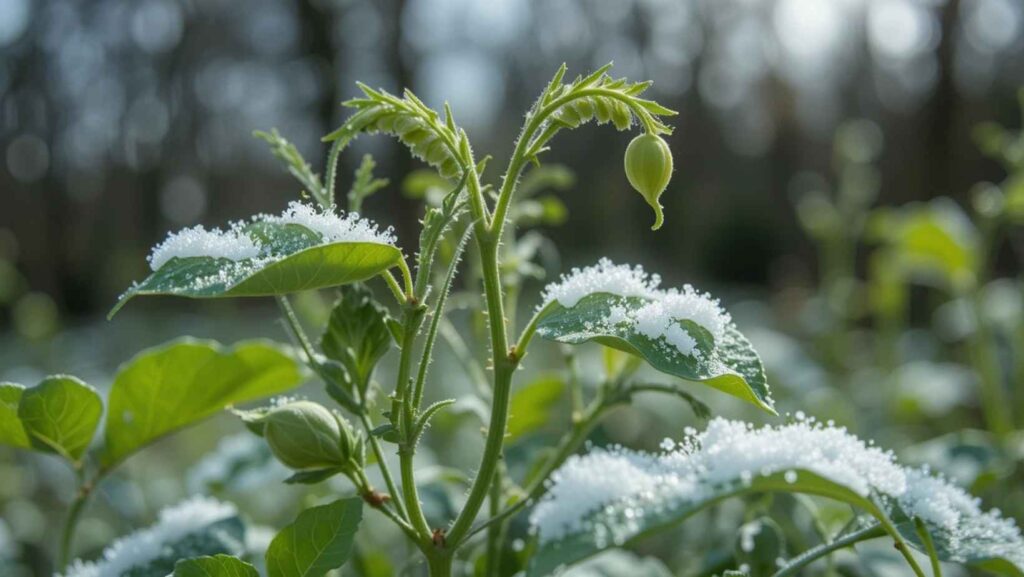
Would you want to know about common snow pea problems? On the basis of my previous experiences, There are a number of common concerns that snow peas face, including poor germination as a result of planting them too deeply or in cold soil, as well as problems with pests and diseases.
Aphids and pea weevils are two examples of pests that can cause harm to plants.
Illnesses such as powdery mildew, fusarium wilt, and downy mildew are further examples of illnesses that can cause problems for plants.
It is also possible to cause problems such as wilting and stunted development by either overwatering or underwatering the plant.
However, that is not all; as you continue to read, I will provide you with further information on the subject topic.
Now, let’s get started
How to Prevent Common Snow Pea Issues
To ensure that your snow peas remain in good health, the first line of defense you should take is preventative measures.
You will be able to save time and enjoy a more abundant crop if you take the necessary measures to solve any problems before they occur.
Each of the following is a specific strategy for each of the common issue areas:
The watering process should consist of supplying one inch of water each week and maintaining stable moisture levels.
In order to avoid over- or under-watering, make adjustments based on the amount of rainfall and examine the soil before watering.
Make sure that your snow peas are exposed to light, ranging from full sun to partial shade, depending on the temperature in your area.
It is important to protect your plants from temperatures that are too high or too low by providing them with frost coverings or shade when necessary.
Using organic pest control measures such as insecticidal soap or neem oil, plants should be inspected on a regular basis and checked for pests.
The prevention of fungal infections can be accomplished by ensuring enough air circulation through the use of appropriate spacing and by engaging in crop rotation.
In order to prevent root rot, it is important to plant in soil that drains effectively and to avoid taking excessive amounts of water.
When caring for your leaves, prune them to promote ventilation and eliminate any sick foliage as soon as possible.
In order to minimize lanky growth and to develop robust stems, it is recommended that trellises support climbing types.
What are some common problems when growing snow peas
Poor germination is a common issue that can be brought on by planting too early in chilly soil or planting too deeply. These variables can hinder germination
The plants are susceptible to harm from pests like aphids and pea weevils, as well as diseases like powdery mildew, which can develop in environments with high humidity.
Moreover, You should engage in crop rotation and steer clear of growing snow peas in the same location where other legumes have been cultivated for the previous few years.
Neem oil and insecticidal soap are two methods that may be utilized to control pests, such as pea weevils and aphids, which are both common pests.
To avoid powdery mildew, plants need good air circulation.
How To protect snow peas from frost damage
During chilly nights, cover snow pea plants with row covers or cloches to prevent frost damage.
Additionally, mulching the area surrounding the base of the plants can assist in controlling soil temperature and offer some insulation.
To provide further protection in areas with high frost, think about growing snow peas in a greenhouse or cold frame.
Here’s a more thorough explanation:
1. Cloches and Row Covers:
In order to create a microclimate that is marginally warmer than the ambient air, lightweight cloth row covers trap a layer of warm air around the plants.
Cloches offer a stronger defense against cold and resemble little greenhouses.
Best resources: Make use of items that can breathe, such as hessian, cheesecloth, row coverings, or even sheets.
Timing: To retain the warm air, cover plants before dusk.
2. Mulching: Its operation
The soil stays warmer when organic materials, such as straw or shredded leaves, are applied around the base of the plants.
Benefits: Mulching promotes healthy development by controlling soil moisture and temperature.
3. Greenhouses and Cold Frames:
How it operates: Greenhouses and cold frames (mini-greenhouses) offer a more regulated environment that shields plants from the full force of frost.
Ideal for: Areas that get severe or regular frost.
4. Timing and Observation:
Preventive measures: Before a frost is predicted, put these precautions into action.
Monitoring: Pay attention to weather predictions and be ready to act if frost is expected.
5. Extra Advice:
Select kinds that can withstand frost:
Investigate your alternatives because certain snow pea cultivars are inherently more resilient to cold climates.
Plant where there is enough drainage:
Soil that drains well keeps water from building up and freezing around the roots.
Give it a good rinse:
Before a frost, make sure the plants have adequate moisture to help them resist the cold
What are signs of common diseases affecting snow peas
Specific Symptoms Include:
Blight caused by ascochyta:
At the beginning: patches on the leaves, stems, and pods that are saturated with water.
As the progression continues, the spots get darker and necrotic, eventually combining into bigger lesions.
One of the symptoms of pod lesions is the appearance of slime on the seeds.
Anthracnose is characterized by the darkening of plants, particularly during blossoming.
The rains that occur during the winter.
Rot of the roots:
Turning of the leaves yellow.
Plants have been wilting and drying out.
Root rot and discoloration ranging from a reddish brown to a dark brown color.
Additional Risk Factors for Disease:
The oxysporum of Fusarium
Itchy mildew powder
The leaf spot of Alternaria
Rot of the stem
Damping off or seed rot refers to seeds that have deteriorated either before or after germination.
What is Snow Pea Plant Care
In terms of light, snow peas may be grown in full sun, with the optimal amount of direct sunshine being between six and eight hours, as well as in partial shade.
An excessive amount of direct sunshine might char the delicate vines.
A soil:
The soil that snow peas grow in should have a pH that is slightly acidic and ranges from 6.0 to 6.5. It should also have a high organic matter content and be well-drained.
Peas require a sufficient amount of water, at least one inch each week; otherwise, the pods may become stringy and tough rather than crisp and crunchy for the pea plant.
Late-season crops should be watered thoroughly when the temperature rises. Poor drainage can cause rot to occur in the roots and seeds of a plant.
Snow peas are able to grow in chilly temperatures and can even withstand the rare late snowflakes. Temperature and humidity are other important factors here.
However, if the soil temperature is about 40 degrees Fahrenheit, it takes longer for the seeds to germinate.
Light frost in the spring or autumn does not hurt them. In temperatures higher than 85 degrees Fahrenheit, they do not perform as well as other types of peas.
If the temperature does not rise, then the presence of humidity in the air is not a concern.
If your soil is rich with organic matter and composted, snow peas rarely need fertilisation. In this instance, fertilisation is unnecessary.
Snow peas, like all other types of peas, are capable of self-pollination and do not require the assistance of insects or wind in order to be pollinated.
Final thought
Now that we have established common snow pea problems, you should engage in crop rotation and steer clear of growing snow peas in the same location where other legumes have been cultivated for the previous few years.
Neem oil and insecticidal soap are two methods that may be utilized to control pests, such as pea weevils and aphids, which are both common pests.
it is important to ensure that there is adequate air circulation around the plants.
In order to stop the spread of infection, all infected plants should be removed as soon as possible.