
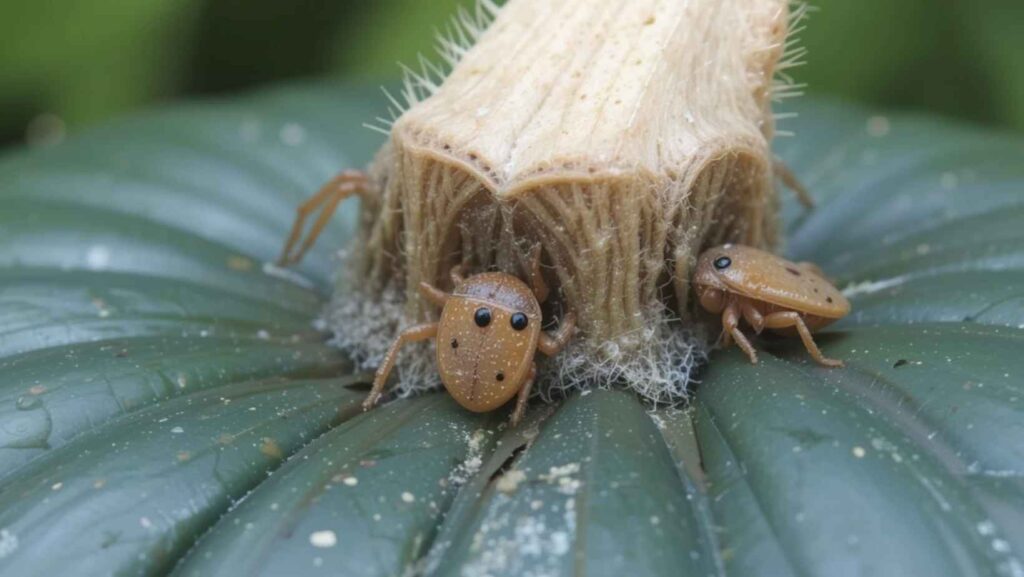
Would you want to know about common pumpkin pests? In my experience, the most probable pests to infiltrate your pumpkin are those drawn to tasty decaying debris.
Stink bugs, aphids, roaches, moths, wasps, hornets, ants, and fruit flies are among the insects that frequently inhabit pumpkins.
In a damp climate, several of these pests can grow quickly. A carved pumpkin is a delicious feast, even for rodents like mice and squirrels, which frequently chew through the sides to reach the insides.
You can keep pests from spoiling the season’s celebrations by taking the appropriate safety measures.
But that’s not all; as you continue reading, I’ll provide additional information on the topic.
Now, let’s get started
What pests do pumpkins attract
Pumpkins can be eaten by rabbits, squirrels, deer, rats, mice, moles, and insects, depending on your area. The following pests are common:
1. Rats, mice
Rats and mice love pumpkins, specially carved ones with tasty fruit inside. Rats and mice consume pumpkin flesh and seeds without any trouble.
As nocturnal species, they may only go out for a late-night snack.
Pumpkins outdoors attract rats, increasing the chance of an infestation. If you put pumpkins outside, be sure your home is rodent-proof.
Rats and mice spread infections; thus, rodent infestations should be treated immediately.
2. Squirrels
Pumpkin isn’t squirrels’ favorite meal, but they consume it out of habit. Squirrels are destructive creatures that will ruin your nice pumpkin.
They’ll eat more without spilling pumpkin guts on your garden if you feed sunflower seeds, peanuts, or crackers. Putting down other food will still attract bugs.
A squirrel infestation in your home, especially in lofts, may do significant damage. Foraging for nest insulation and chewing cables, squirrels may be a nuisance.
3. Insects
Leaving food out attracts a variety of insects, but your pumpkin doesn’t have to decay before they arrive.
Slugs and snails: Baby pumpkins are tasty to snails and slugs. These slimy parasites might enter your pumpkin through a freshly carved design.
The flies will increase inside and out as the pumpkin is left out. They’ll cover the pumpkin and surroundings.
These bugs may lay eggs in pumpkins and multiply as they degrade. If your pumpkin is near your door, these bugs may certainly fly in when you open it.
Ants – Ants will invade any food source, especially a pumpkin. Ants aren’t harmful, although they may be a nuisance indoors.
An insecticide spray may swiftly eliminate ants near food sources, usually in a kitchen
what are the Pumpkin Insect Problems
Numerous insects love eating pumpkins; therefore, pests on them can be a serious issue. However, the majority may be prevented or treated.
Here are some tips for dealing with the most prevalent pests on pumpkin plants:
Beetles: The most prevalent but manageable pest on pumpkins is beetles. If you use a light insecticide on your vines, they should go away.
Slugs and snails: The soft flesh of extremely young, large pumpkins is a favorite food of snails and slugs.
To keep pumpkin bug pests away from your pumpkin, surround it with a ring of sand or Epsom salt. The bugs will no longer be an issue after the skin of your pumpkin has hardened and can no longer pierce it.
Squash bugs: Carbaryl is an efficient pesticide that may be used to control squash bugs, which can harm stems and leaves.
Vine borers: These pests can lead to serious issues with pumpkin insects. These animals take moisture from pumpkin plants by burrowing deep into them.
By excavating the insect and burying the injured portion of the vine in the earth to promote rooting, you might be able to preserve your vine if you discover one.
However, this is a risky and not always profitable company. Applying a strong insecticide to the entire vine is the best course of action as a prophylactic precaution.
Aphids are pests that don’t usually cause damage to pumpkins; however, they can yellow leaves and generate a sticky, unpleasant fluid called honeydew when they are present in high quantities.
However, even in small quantities, they can infect pumpkin plants with illnesses.
Aphid infestations can be eliminated using light pesticides, but they may also be fought with reflecting mulch, a powerful water spray, and the introduction of natural predators like ladybugs.
Way of Identifying Common Pumpkin Pests
As they say, “Being aware is half the battle won.” Let’s start by learning about the most typical pests that may be interested in your pumpkin patch.
Bugs that squash:
Squash bugs, ah. Many gardeners’ whispered nightmare. These pests resemble miniature shields and are dark or gray in hue.
They love to eat pumpkin leaves and vines, and when they’re done, the leaves frequently wither and die.
What are their favorite haunts? Clusters of tiny, copper-tinted eggs on the undersides of leaves.
Cucumber Beetles: The cucumber beetle, our next criminal, is cunning as well as harmful. More than simply pumpkins, they adore all things cucurbit, and they have a bright yellow-green body with distinctive black dots or stripes.
They spread illnesses like bacterial wilt and eat fruit, roots, and leaves, among other mischievous activities.
Aphids: Aphids tend to congregate in large numbers and are little yet powerful (in their annoyance).
These sap-sucking insects, which can be green, black, or occasionally brown, congregate on the undersides and stems of leaves.
Their diet may cause development retardation and leaf distortion, which will make your pumpkins less, well, plump.
Cutworms: The cutworm is a pest that is quite covert. During the day, these nocturnal creatures like to cuddle under the earth, and at night, they come out to feed.
Young plants and seedlings are their main target; they frequently chop them off at the root, reversing all of your hard work in a single, cunning move.
What are the Best Practices for Pumpkin Pest Prevention
Don’t you think prevention is the best medicine? Let’s look at ways to prevent our insect enemies from taking up residence on your pumpkin plants.
Frequent Observation:
Develop the habit of going to your pumpkin patch on a regular basis
Watch for any indications of suffering, such as reduced growth or discolored leaves, since these might point to a pest infestation.
Good Soil Management: Happy vines have healthy roots. To avoid soil-borne illnesses, rotate your crops annually.
To encourage healthy development, add organic matter to the soil. Plants in good health can endure pest pressure much better.
Proper Watering and Fertilization: Contrary to popular belief, proper watering and fertilization are quite important.
Plants that receive too much water or fertilizer are more vulnerable to pests. Make sure your pumpkins receive the proper quantity of nutrients and moisture, neither too little nor too much.
How to Protect Pumpkins from Pests
Animals get more and more attracted to decaying pumpkins. Here are some methods for keeping pests away from pumpkins: treat the surface and slow down the breakdown process.
Pick a freshly sliced pumpkin that hasn’t been bruised or bumped too much.
Before carving, wash the pumpkin with soap and water.
The pumpkin should not be exposed to direct sunlight.
If it’s raining or bad outside, bring your pumpkin inside at night.
Apply peppermint oil on the pumpkin to prevent the growth of mold and bacteria.
When carving, take off as much of the pulp and pumpkin seeds as you can.
Before putting the pumpkin outside after carving, let it dry indoors.
Coat the carved edges with petroleum jelly.
To annoy insects, spray the pumpkin with diluted white vinegar.
Put several cloves of garlic within.
To keep rodents away, place the pumpkin on a raised surface, such as a plant stand.
Around each entry, spritz some lavender or tea tree oil.
Final thought
Now that we have established common pumpkin pests, It is during the summer months when pumpkins transition from being plants to being edible veggies.
This is because pumpkins tend to develop in warm climates.
This delicious meal, on the other hand, is sensitive to the advent of insects and other external pests that are capable of putting an end to such a bountiful harvest in a relatively short amount of time.
Pay attention to the following post if you are a fan of pumpkins, and you may already have some of them growing in your garden space.
This time, I’m going to explain how to deal with the pests that are associated with pumpkins, how to correctly treat them, how to get rid of them, and how to enjoy pumpkins healthily.