
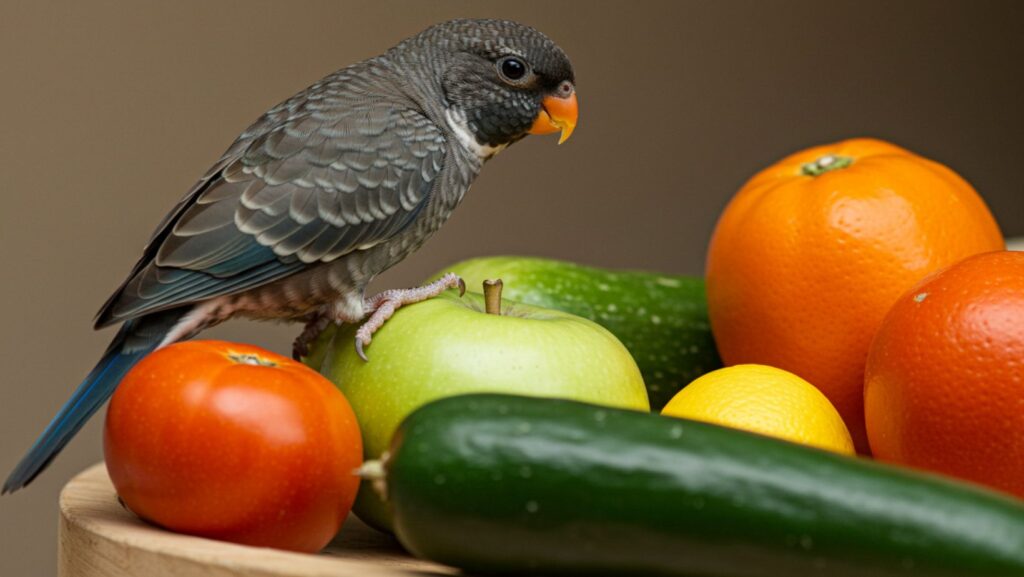
Would you want to know if birds can eat vegetables? To answer your question, yes, birds are able to consume a wide range of vegetables as part of a healthy diet.
Carrots, peas, corn, broccoli, spinach, kale, and sweet potatoes are some of the vegetables that are particularly beneficial to their diet.
However, it is important to ensure that these vegetables are thoroughly washed and cut into appropriate sizes for your bird.
Additionally, it is important to steer clear of vegetables that are toxic to birds, such as onions and avocados.
Vegetables are an important component of your bird’s diet since they include the vital nutrients and minerals that are necessary for maintaining their health and happiness
On the other hand, not all veggies are suitable for consumption by birds.
In this piece, we will discuss the vegetables that are safe for birds to consume, as well as the methods that can be used to prepare them in order to provide them with the most possible nutritional content.
If you continue reading, you will get the definitive guide on veggies that your bird should consume.
Now, let’s get started.
What Are The Best Vegetables for Birds
Birds have many feeding alternatives, but deep-colored fruits and vegetables are the healthiest.
Birds need vitamin A, which is best found in brightly colored fruits and vegetables, including pumpkins, peaches, bell peppers, carrots, cantaloupes, and sweet potatoes.
They also include additional vitamins and minerals, making them great bird supplements.
Pale fruits and vegetables like turnips and pears are nutrient-poor.
Dark greens like kale, broccoli, and dandelion leaves include B vitamins, antioxidants, and minerals.
Depending on your bird’s taste, these can be great choices.
But your birds can also benefit from these vegetables:
Artichoke
Parrots enjoy eating thistle artichoke hearts, leaves and stems.
For bloating, cramps, gas, and digestive issues, phytonutrients and dietary fiber are its best ingredients.
Its fiber and inulin also aid digestion.
Asparagus:
Asparagus is remarkable because it includes anthocyanins that fight free radicals and chromium, which regulates blood sugar.
It also contains folate, or vitamin B12, which helps reduce bird cognitive degeneration. Asparagusic acid can make bird droppings smell.
Broccoli:
Broccoli is safe and healthy for birds, too! Some broccolis can be fed to your bird because glucoraphanin converts into sulforaphane.
Lowers blood sugar, oxidative stress, and chronic disease risk.
Not to mention its fiber and antioxidant levels that improve avian intestinal health.
Bell Pepper Ripe bell peppers are rich in lutein, capsanthin, quercetin, beta-carotene, Vitamin C, folate, and potassium.
Bell peppers grow more nutritious as they ripen.
Fava or Broad Beans
These beans include thiamine, folate, phosphorus, manganese, and copper, which help strengthen your bird’s bones.
Brussels sprouts
The brassica family includes these sprouts, cabbages, kale, and broccoli.
They include Vitamins K, C, A, Folate, and Carotene, we promise.
What are the Safe Fruits and Vegetables for Birds
Before you give your bird any fruits or veggies, you should be sure to wash them well in order to eliminate any chemical residues or pesticides that may be present.
Due to the fact that certain vegetables, such as carrots, may be difficult for your bird to digest, it is advised that you steam them before giving them to your bird.
Consult with your avian veterinarian if you are unfamiliar with the situation or if you have any queries.
Consumables:
- Mangoes
- Strawberries, Bananas, Oranges, Peaches, Apples, and Grapes
- Strawberry berries
- Berries of blue
- Red raspberries
- Vegetables that include pomegranates: carrots
- Cobs of corn on the cob
- Carrots are sweet
- Snap Peas made from zucchini.
- Brussels sprouts
- Peppers with bells
- Spinach (plural)
- The kale
- Romaine The Chard of Lettuce
- The Cabbage-Red
- Vegetables and Asparagus Beets, Butternut Squash
How To Get Your Bird To Eat Vegetables (5 Ways)
1. Present vegetables differently for your bird
Presentation matters to many birds.
My cockatiel loves carrots attached to the cage but never in a dish. Sometimes, all you need is a new veggie presentation.
Here are several methods to feed your bird vegetables:
- Chopped in a bowl Raw Cooked
- Mixed up
- Blended
- Clipped to cage
- A plate
- Use vegetables to make toys.
- Skewered vegetable kebab
My cockatiel eats most veggies from a dish, notwithstanding his carrot aversion.
2. Eat Vegetables Before Bird
Flock members, including humans, impact birds.
Eat the veggie in front of them!
Eat a few carrots or broccoli in front of your bird, and they may want to try them. You may even make vocalizations to emphasize how excellent the food is.
3. Give your bird the vegetable by hand
This works best if your bird knows you hand-feed pellets or seeds.
Take time to hand-feed your bird a bite-sized piece of vegetables to encourage independent eating.
After tasting the meal, your bird will likely eat it alone.
4. Feed your bird vegetables at the right time
Serving veggies at the incorrect time will make your bird shun them.
If you provide veggies at the correct moment, your bird will plunge in and devour them!
You must experiment with various times for veggies because each bird has distinct needs.
I tried afternoon veggie service but failed. Now that I serve veggies in the morning, my cockatiel eats them every time!
5. Treat Vegetables
Giving exceptionally fussy eaters pleasant snacks helps convince them to try vegetables.
Some veggies make it easier.
I can easily add seeds and millet to broccoli heads. It’s easy to punch holes in a whole carrot, add seeds, and make it a fun toy:
What Vegetables Are Toxic to Birds
Mushrooms, a fungus, can disrupt companion birds’ digestive processes.
Some mushroom tops and stems can induce liver failure in birds, so don’t feed them raw or cooked.
Tomato Leaves
Tomato stems, vines, and leaves poison birds. Their fruits also have strong acidity.
Thus, while delectable, they are not the healthiest and safest food for birds.
Onions
Small amounts of onion and garlic are fine for birds. However, excessive eating might cause bird vomiting, diarrhea, and other digestive issues.
Prolonged exposure can develop hemolytic anemia, which can cause breathing issues and mortality.
What are the Pros and Cons of Feeding Fruits and Vegetables to Birds
Numerous vitamins and minerals that are good for birds may be found in abundance in fruits and vegetables.
With that being said, some owners are afraid that their pet birds can suffer diarrhea as a result of the high water content of fruits and vegetables.
It is a condition known as polyuria, and the high moisture content of fresh food causes it. However, the fact is that the increased urine production happens because of this.
This situation may be typical for birds, but it might also be an indication of a health problem or sickness.
In the event that your pet bird is experiencing polyuria but its consumption of fresh produce has not increased, it is highly recommended that you seek the advice of your veterinarian as soon as possible.
Before you start feeding your birds fruits and vegetables, you should also take into consideration the fact that cleaning up their moist droppings might be a headache.
What are the Tips When Feeding Fruits and Vegetables to Bird
Because they are tasty and nutritious, fruits and vegetables are a definite way to thank your birds. They can be served frozen, canned, thawed, cooked, or raw. However, cooking might reduce the nutrition.
Therefore, it’s best to offer them uncooked.
In contrast, canned fruits and vegetables are typically high in sugar and salt. Therefore, we advise thoroughly washing them before giving them to your birds.
Additionally, it’s recommended to thoroughly wash any fresh food and choose organic selections because your bird pets are sensitive to chemicals, pesticides, and sprays.
Here are some more pointers to help you serve them vegetables and fruits safely and appropriately.
Every day, keep an eye on the fruits and vegetables your bird consumes.
Remember to supply clean, fresh water.
To avoid bacterial infections, clean the food and water dishes every day.
Food should not be placed at the bottom of the cage where the bird’s droppings may fall. If not, you’re putting your birds at risk for major health issues.
Although fruits and vegetables can be given throughout the year, it is preferable to provide more during the molting and breeding seasons. However, you need to limit the following foods your bird eats:
Acidic fruits like lemons and tomatoes, as well as watery vegetables like cucumbers, melons, and grapes.
Iron-rich vegetables, such as spinach, since iron storage illness, can result from consuming too many iron-rich meals.
If your bird isn’t accustomed to consuming novel fruits and veggies or fresh products.
Final though
Now that we have established that birds can eat vegetables , In order to ensure that your bird continues to enjoy good health and well-being, it is essential to provide them with a wide range of healthy veggies.
you will be able to guarantee that your bird will obtain the nutrients that are necessary for them to flourish.