
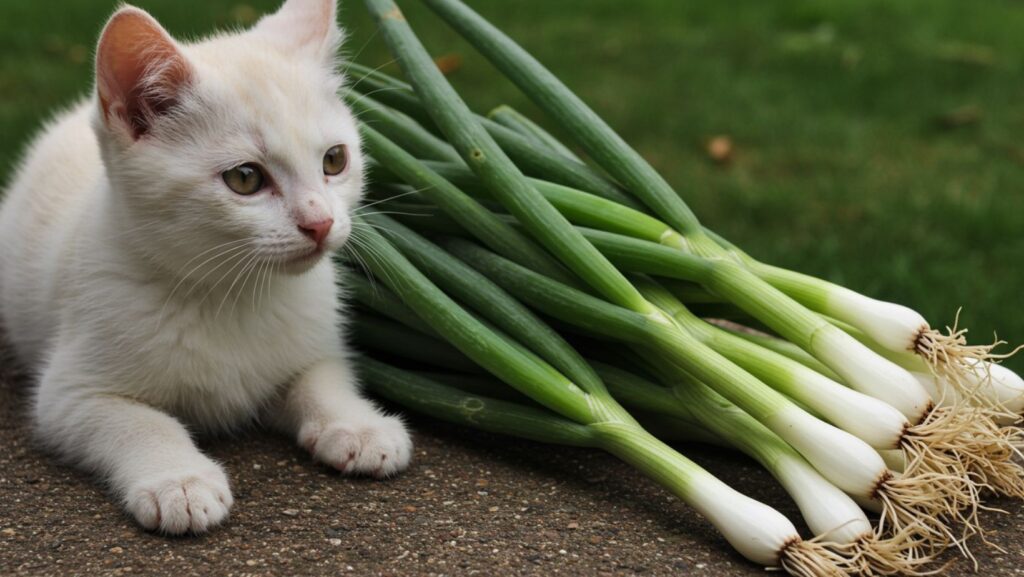
Would you want to know if spring onions are safe for pets? In light of my experience, Since spring onions, sometimes called green onions, belong to the Allium family, which also includes garlic, chives, and onions, they are poisonous and should not be fed to pets.
Eating them can harm a pet’s red blood cells and cause health issues. Onions are a member of the Allium genus, which also includes green onions and chives.
This indicates that chives and green onions are poisonous to your pets.
Since they are all members of the Allium genus, you should avoid giving your pet red, white, and yellow onions, leeks, garlic, and sweet onions.
However, that is not all; I will provide additional information on the topic as you continue reading.
Now, let’s get started
Pets cannot eat spring onions
Spring onions are just as harmful to pets as chocolate, raisins, and grapes. Determining the extent of the harm it can inflict is difficult.
However, spring onions can result in hemolytic anemia, a disease that is fatal to the animal and very expensive to treat.
Toxins like thiosulfate found in spring onions can harm your pet’s healthy blood cells.
When canine hemolytic anemia occurs, the hepatic system is the main system affected.
The following are some signs to look out for:
The size, frequency, and quantity of spring onions a pet eats can all affect the symptoms of this illness.
Although we can see several widely accepted signs in our pets, a veterinarian’s blood tests, and a formal diagnosis are still required.
A pet with anemia may exhibit excessive weariness, lethargy, and physical weakness as a warning sign of spring onion poisoning since it will not receive enough oxygen to operate properly.
Our tiny pet, who used to gallop around the yard, gets exhausted after a little stroll and collapses on the ground.
first signs and symptoms
Symptoms of anemia frequently manifest during or just after physical activity. Consequently, even when not active or in hot weather, the pet may pant excessively.
His urine may also be crimson or pink, and his resting heart rate may be elevated. Patients with spring onion poisoning may also have diarrhea, vomiting, or yellow gums or eyes.
It’s crucial to keep an eye on your pet for up to a week following exposure to spring onions since these symptoms might appear days after ingestion.
We should take our puppy to the veterinarian right away if he eats more than a few spring onions or if he is too little.
Why are Onions toxic to pets
A poisonous substance called N-propyl disulfide is found in onions. This molecule, a sulfur compound, is the main cause of onions’ high toxicity to pets.
This substance, which is comparatively innocuous to humans, can cause pets’ red blood cells to break down. Heinz body anemia, also known as hemolytic anemia, may result from this breakdown.
Your pet’s immune system is tricked by hemolytic anemia into believing that red blood cells are foreign intruders. Red blood cells are destroyed by the immune system’s assault on these “invaders.”
This impacts the oxygen-transporting capacity of your pet’s red blood cells. You should avoid giving your pet onions since severe hemolytic anemia might be fatal!
The onion’s meat, leaves, juice, and processed powders are all poisonous.
Onions and the rest of the allium family, excluding garlic, can be eaten raw or sautéed, fried, or powdered. The vegetables of the allium family include:
Shallots, Garlic, Onions, Leeks, and Chives
What are the Health Concerns of Spring Onions for Pets
Thiosulfate Presence: Spring onions, much like their Allium relatives, present thiosulfate in their composition.
When pets consume this substance in greater quantities, it has the potential to cause oxidative damage to their red blood cells, which may result in the development of haemolytic anemia.
Discomfort in the Digestive System: Even little doses of spring onions have the potential to cause gastrointestinal distress in pets, which can appear as symptoms such as vomiting or diarrhea.
There is a serious risk of allium poisoning in pets that ingest significant quantities of spring onions. Allium poisoning is a worry that should not be ignored.
Some of the symptoms may include a lack of energy, pain in the abdomen region, a quick heartbeat, and pale gums. In events like these, it is necessary to seek veterinarian treatment right once.
What should you do if your pet eats onions
Talk things over with your veterinarian. To err on the side of caution is always preferable, and a veterinarian will be able to recognize these signs and treat them appropriately far more effectively than you will be able to do at home.
Be sure to keep all onions away from your pet so that they are unable to consume any more of them and cause them to do even more harm, as they will most certainly attempt to do.
Inducing vomiting, flushing the stomach, and performing gastric lavage are all potentially effective therapies that may be administered by a veterinarian.
It is possible that bathing may be required if there is an infection on the skin.
Given that every single circumstance is unique, we cannot emphasize enough how important it is to acquire the advice of a veterinarian on this matter.
It is more likely that your pet will be content with a meal that is not only delicious but also nutritional, such as Pure, as opposed to a dish that is full of unpleasant onions.
Pure is a comprehensive and balanced food that is prepared just for your pet and is made entirely of natural ingredients.
It contains additional vitamins and minerals to guarantee that your pet receives all of the necessary nutrients during their daily life.
How much onion is toxic to pets
There is no quantity of onion that is safe for pets to consume, yet accidents sometimes occur, and we understand that.
You might be wondering how much cause for concern there is if your pet does end up eating an onion.
Even a small amount of onions, as little as 0.5 percent of their body weight, can be poisonous to pets.
Therefore, a pet weighing forty pounds might develop onion toxicosis from consuming only 0.2 pounds (about 91 grams) of onions. Think about what it would imply for a Yorkie that is so small!
It is likely that you will not experience a great deal of difficulty if you have a larger breed of pet and they manage to steal a little piece.
Nevertheless, you should continue to keep a careful eye on them and periodically consult with your veterinarian for individualized guidance.
Final thought
Now that we hav established Are spring onions safe for pets, Onions can be harmful to your pet whether they are fresh or cooked, raw, dried, powdered, or juiced.
Larger pets may be more tolerant of onions and have better health results than smaller ones, but there is no safe quantity to feed your pet.
We should never offer our pets onions of any kind in order to keep them safe.
Additionally, since onions are frequently included in our favorite recipes, you should carefully read labels before giving your pet human food.
Call your veterinarian if your pet does consume onions. Depending on their breed and size, they will advise you appropriately.
By paying for a part of qualified veterinarian fees, a pet insurance plan may be helpful in the event of future incidents.