
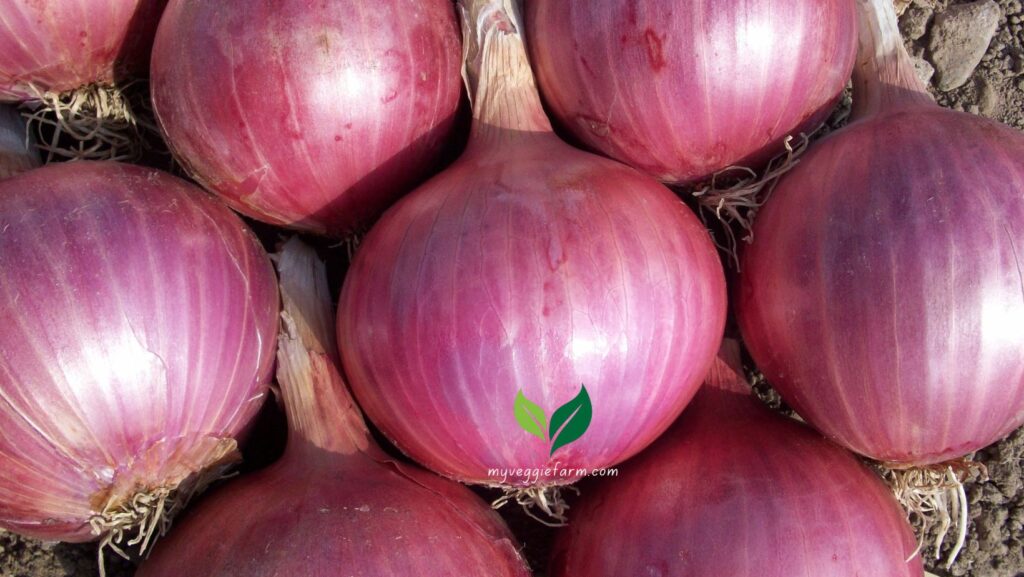
Would you want to know if onions are antibacterial? The answer is yes, onions do possess antibacterial qualities, based on my own experience.
Some of the substances that they contain include quercetin, allicin, and sulfur compounds, all of which have antibacterial characteristics.
Furthermore, it has been shown that the extracts of onion skin waste have a strong antibacterial activity against bacteria such as Escherichia coli, Pseudomonas fluorescens, and
Bacillus cereus, as well as fungi such as Aspergillus niger, Trichoderma viride, and Penicillium cyclopium.
However, that is not all; as you continue reading, I will provide you with further information on the topic matter.
Now, let’s get started
Are onions a natural antibiotic
Natural antibiotics’ efficacy varies from illness type to infection type. Honey, garlic, and apple cider vinegar are three of nature’s most powerful antibiotics.
One of the greatest natural sources of quercetin, a bioflavonoid that is well-recognized for its scavenging effect against free radicals, is found in red and yellow onions.
Onions are found in both red and yellow varieties.
In addition to its application in the treatment of diabetes, it alleviates symptoms of sore throat, whooping cough, bronchitis, asthma, dehydration, gas in the intestines, and parasitic worms.
As a diuretic, it helps some individuals to pee more frequently. As a topical remedy, onion can be used to treat bug bites, cuts, minor burns, boils, warts, and bruises.
Do Onions Absorb Bacteria and Cure Illness
Onions cannot absorb germs. The concept that a vegetable would be able to draw microorganisms from the air and then take them in is not even close to being rational.
The onion may become black not because it absorbs germs but because it would ultimately decay due to cell breakdown events and bacterial contamination if you left it out.
This is contrary to the common belief that onions absorb germs.
The juice of onions and garlic, which is slightly acidic, has the potential to have antibacterial effects if it is applied to the affected area; nevertheless, these effects are far less effective than those of bleach or pharmaceutical antibiotics.
The consumption of these veggies offers antioxidants, which may have positive effects on health; nonetheless, it is highly improbable that they would prevent or cure disease.
What are the Antibacterial Properties of Onions
The World Health Organisation attests to their numerous health advantages, and they are classified scientifically as Allium Cepa.
The condition of periodontitis
This illness is widespread and typically results from inadequate personal hygiene. Streptococcus mutans and Streptococcus sobrinus are the major causal organisms for this illness.
Onion extracts have the highest bacteriostatic activity against S. mutrans and S. sobrinus, making them ideal for treating this illness.
E. Coli
The lower gastrointestinal tract is frequently home to this rod-shaped, gram-negative, facultative anaerobic bacterium.
Although there are many different kinds of E. coli strains, the majority are not harmful.
Nevertheless, certain strains might result in urinary tract infections, severe anemia, and bloody diarrhea. These days, E. Coli infections are quite prevalent.
Onion bulb extracts can aid in the treatment of E. coli since they have demonstrated inhibitory actions against the bacteria.
Salmonella
The most frequent causes of infectious illnesses that are transmitted by food and water are organisms belonging to the genus Salmonella.
The fact-oral pathway spreads these organisms and has a broad host range.
These microorganism infections frequently manifest as vomiting, fever, diarrhea, and appetite loss.
Extracts from onion bulbs can be utilized as treatments and preventative measures for Salmonella, which is also susceptible to them.
Aureas Staphylococcus
Staphylococcus aureus is a rod-shaped, gram-positive bacterium. It belongs to the Firmicutes. It is prevalent in the respiratory system, skin, and nose.
This bacteria can cause toxic shock syndrome, septicemia, food poisoning, and pneumonia.
Methanol and dried onion aqueous solutions exhibit an inhibiting impact on this bacterium. The bulb of the onion contains the bioactive components that are effective against S.
Aureas.
Onions provide us with a number of benefits in addition to their antimicrobial qualities. At least 25 health-promoting flavonols may be found in onions.
Onions’ alkenyl cysteine sulphoxides provide a number of health advantages, including anti-platelet activity, and anti-asthmatic, antithrombotic, and anti-carcinogenic qualities.
Why are onions and garlic natural antibiotics
There are antibacterial, anti-inflammatory, and bactericidal qualities that onions and garlic possess, just as antibiotics that humans manufacture.
Second, the latter characteristic is effective against all different kinds of diseases. This is the most crucial aspect.
Antibiotics that are offered in pharmacy chains are unable to compete with them in terms of the therapeutic impact they provide because of this.
The high concentration of chemicals such as phytoncides (volatile essential compounds), flavonoids, and allicin that they contain is the source of these qualities.
Additionally, the bulbs of these plants contain a diverse assortment of vitamins and trace minerals.
What kind of bacteria does onion kill
antibacterial capabilities that include the following:
One of the most infectious bacterial strains, Staphylococcus aureus, which also includes methicillin-resistant subtypes (MRSA), stands for Staphylococcus aureus.
Onion skin extracts can suppress the growth of Escherichia coli, a particularly dangerous germ.
There is a kind of bacterium known as Pseudomonas aeruginosa that is infectious and can be suppressed by the outer scales of red onions.
A kind of bacterium known as Streptococcus mutans is responsible for dental caries.
A kind of bacterium known as Streptococcus sobrinus is responsible for dental caries.
Pophyromonas gingivalis is a kind of bacterium that is responsible for periodontitis in adults.
Prevotella intermedia is a kind of bacterium that is responsible for periodontitis in adults.
Acinetobacter baumannii AB5075, Bacillus cereus, and Pseudomonas fluorescens are some of the other bacteria that have been demonstrated to be susceptible to the antibacterial actions of onion extracts.
Final thought
Now that we have established that onions are antibacterial, Providing the body with the nourishment it needs to keep its sugar levels in check is another crucial role that onions play.
Additionally, it helps in the process of growing strong bones, and it protects against inflammation, which is a process that occurs in a number of different disease processes and infections.
The antimicrobial, antiparasitic, and, to a lesser extent, antifungal qualities of onions have earned them a widespread reputation.
Because of their mild acidity, the juices of onions and garlic may have antibacterial properties when applied topically; nevertheless, these would be far more ineffective compared to bleach or pharmaceutical antibiotics.
Although the antioxidants included in these veggies may improve health, it is highly improbable that they will be able to prevent or cure any disease.
Onions may be used for a variety of purposes, including flavoring, as well as for their health benefits.