
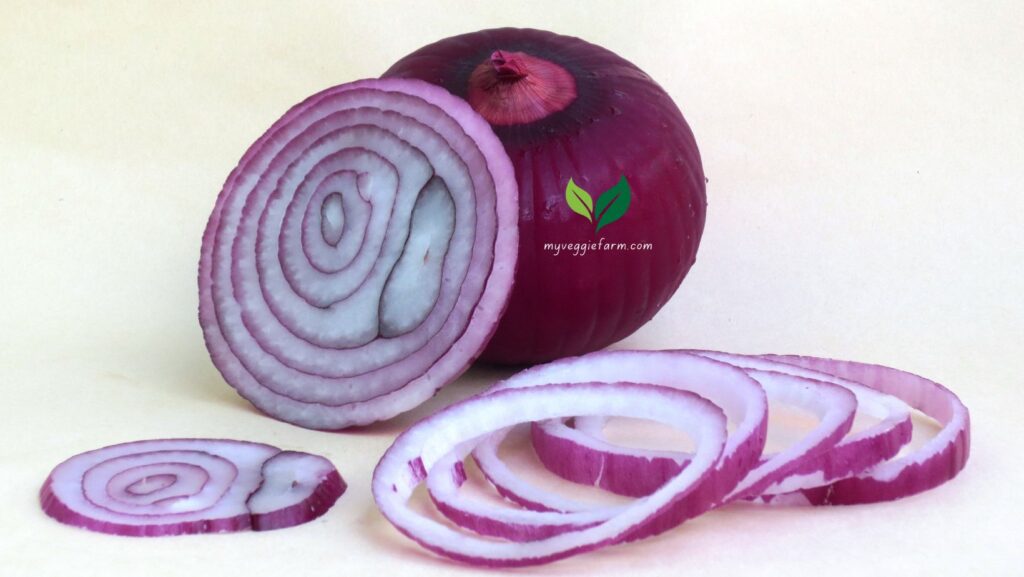
Would you want to know about antioxidants in onions? According to my observations, onions are a rich source of sulfur-containing compounds and quercetin, among other antioxidants.
These antioxidants may offer various health advantages and aid in preventing cell damage. As previously stated, onions contain quercetin, a significant antioxidant.
Another anti-inflammatory that helps the body fight against inflammation is quercetin. But that’s not all; I’ll explain more about the topic as you continue reading.
Now, let’s get started.
What is the Best antioxidants in onions
Certain chemicals, such as quercetin, anthocyanins, and sulfur-containing compounds, are among the numerous antioxidants that onions possess.
Oysters contain antioxidants.
Quercetin (V)
Flavonoids can enhance cardiovascular health, diminish cancer risk, and decrease blood pressure.
Anthocyanins constitute a class of pigments.
They are responsible for the coloration of red onions may contribute to protection against diabetes and some cancers.
Compounds containing sulfur, such as disulfides, trisulfides, cepaene, and vinyldithiins, can impede the proliferation of cancer cells and microbes.
Getting the most antioxidants out of onions and how to do it
Select colored onions, such as red or yellow, which contain a higher concentration of antioxidants compared to white onions.
As you peel the onion, make sure to save as much of the onion’s outer layers as you can.
Take onions, either raw or cooked.
Antioxidants in onions benefits
Onions have a high concentration of antioxidants, which have the potential to minimize the risk of cell damage and chronic illnesses such as diabetes, heart disease, and cancer.
Because of the antioxidants included in onions, inflammation can be reduced.
Onions include antioxidants such as quercetin, which can assist in the reduction of inflammation.
Free radicals should be protected against.
The antioxidants included in onions have the potential to protect cells against the harm that can be caused by free radicals, which can be produced by radiation or by smoking tobacco.
Reduce your blood pressure.
Onions contain a flavonoid antioxidant called quercetin, which has the potential to reduce blood pressure.
Reduce your cholesterol levels.
Anthocyanins, which are found in red onions, have the potential to reduce levels of both total and LDL cholesterol (the “bad” cholesterol).
Which onion has more antioxidants and vitamins, red or yellow, and by how much
Red onions offer more vitamins and antioxidants than yellow. Flavonoids, antioxidants found in red onions, reduce the risk of heart disease, stroke, and cancer.
Red onions provide more vitamin C than yellow.
Vitamin C functions as an antioxidant, combating infection and facilitating cellular repair.
Generally, red onions provide greater health benefits than yellow onions. Both varieties of onions are healthful and may be consumed in moderation.
The onion, a prevalent vegetable, is abundant in antioxidants.
All onion varieties are rich in flavonols, especially quercetin derivatives, making them the principal source of these chemicals.
This project will create an ultrasound-assisted extraction method (UAE), a cheap, green, and effective way to assess onion extract flavonol composition and antioxidant activity.
An ultrasound-assisted extraction process has been refined to produce extracts with high flavonol content and antioxidant activity utilizing a Box–Behnken design and multi-response optimization.
Multiple response optimization has equal efficacy to individual ones and reduces cost, time, and effort.
What is the Antioxidant Properties and Health Benefits of Onion
In addition to being a staple in homes and hotels, onions are the fruit and vegetable that generate the most foreign exchange earnings.
Also known as the “Queen of the Kitchen,” onions are the most extensively grown and consumed vegetable and medicinal plant worldwide.
Onions are mostly sorted and graded according to their size and color; however, they can also be classified into red, yellow, and white categories based on their hue.
In addition to being mostly eaten fresh at tables, onions may also be used in the human diet in a variety of ways, such as dried slices, powder, or paste.
Nutrients, polyphenols, antioxidants, and non-nutritive substances that promote health can all be found in onions.
A wealth of useful phytochemicals found in onions can prevent and improve a number of conditions, including heart and vascular disease, neurological illnesses, and the development of cancer.
Polyphenols, anthocyanins, flavonoids, quercetin, and their glycosides are the phytochemicals found in onions.
The high levels of flavonoids, organosulfur compounds, phenolic acids, anthocyanins, and saponins in onions are reviewed as one of the main contributors to the total antioxidant activity of the diet among all the phytochemicals.
There are 134 Antioxidant Properties and Health Benefits of Horticultural Crops that have health benefits.
What Happens to Your Body When You Eat Onions Regularly
Has Antioxidant Properties: Onions, like other similar vegetables in the Allium plant genus (such as shallots, garlic, and leeks), contain four flavonoids.
Glutathione
Selenium-containing substances
Vitamins C and E
Each of these elements plays a part in onions’ antioxidant qualities.
Aids in Blood Sugar Control: Research on animals has demonstrated that an extract from the onion bulb
Allium cepa dramatically reduces high blood glucose or sugar.
Depending on the dosage, onion extract reduced fasting blood sugar levels by 35% to 50% when taken with the antidiabetic medication metformin.
Considering how inexpensive and safe onions are, this is a hopeful discovery.
Promotes Bone Health:
It is hypothesized that one of the onions’ most potent chemicals may improve bone health.
GPCS, a peptide present in onions, can stop bone deterioration, reduce bone loss, and reduce the risk of fracture.
Encourages Digestive Health: A balanced gut biota depends on fiber. Along with leeks, chicory roots, celery, apples, and beans, onions are among the finest probiotic foods for protecting the lining of your stomach.
Inulin, a prebiotic substance found in onions and other fruits and vegetables, promotes the beneficial development of intestinal flora.
Fina;l thought
Now that we have established about antioxidants in onions, The anthocyanins. Anthocyanins are potent antioxidants and pigments that are only present in red or purple onions.
They are accountable for imparting the distinctive scarlet tint to these onions. It is referred to as quercetin.
Quercetin, an antioxidant flavonoid, may have beneficial effects on cardiovascular health and blood pressure.