
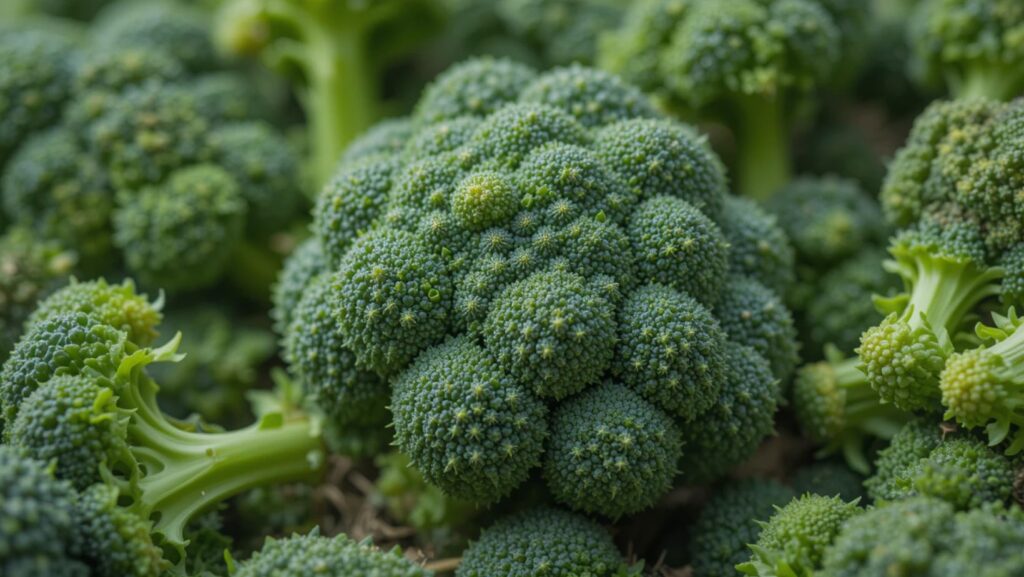
Would you want to know Why broccoli is one of the healthiest vegetables? According to my own experience, broccoli is regarded as a superfood because of the high concentration of critical nutrients, antioxidants, and fiber that it contains.
Broccoli provides a wide range of health advantages, including support for the immune system, protection against cancer, and heart health.
Once more, it is rich in glucosinolates, which the body is capable of transforming into compounds that are effective against cancer.
It is beneficial to the health of the heart since broccoli has anti-inflammatory, antioxidant, and fiber-rich qualities.
It promotes cardiovascular health, lowers cholesterol, and maintains blood pressure.
However, that is not all; as you continue reading, I will provide you with further information on the topic matter.
Now let’s get started
Why Should You Munch On Broccoli? Broccoli Health Benefits
Cruciferous broccoli has various health advantages and minerals. Here are broccoli’s main health benefits:
1. Prevents some cancers
Cruciferous vegetables, including broccoli, cabbage, kale, cauliflower, and garden chess, contain sulforaphane. This chemical prevents and treats different malignancies, including:
Prostate cancer
Breast cancer
A colon carcinoma
Skin, bladder, and oral cancers
Bioactive components, including vitamins, polyphenols, sulfides, glucosinolates, and antioxidants, make broccoli a vital part of your daily diet.
Researchers call it ‘Green Chemoprevention’.
Indole-3-carbinol in broccoli helps repair DNA and stop cancer cell development.
Several studies have linked broccoli to a lower cancer risk, although a balanced diet and lifestyle variables are also important.
2.. High in vitamins, minerals, and bioactives
Broccoli is nutritious. Vitamins, minerals, fiber, and bioactive substances abound. Broccoli’s vitamins, minerals, and bioactive substances in 100 grams or 3.5 oz are listed below:
- 141 kJ (34 kcal)
- Carbs: 6.64g
- Protein: 2.82 g
- Fat: 0.37 g
- Fiber: 2.6 g
- Vitamins
- Beta-carotene: 31 μg
- Vitamin C: 107% (89.2 mg)
- 4% Vitamin A
- Vitamin K: 97% (101.6 μg)
- Vitamin B9 (Folate): 16% (63 μg)
- Trace Metals
- 7% potassium (316 mg)
- 4% zinc (0.41 mg)
- 6% magnesium (21 mg)
- 6% iron (0.73 mg)
- Phosphorus: 6% RDI
- Selenium: 3% RDI
Note: Boiling, microwaving, steaming, and frying broccoli might alter its nutritional content and health advantages.
Broccoli contains antioxidants like carotenoids that strengthen and boost immunity. Vitamin B-9 promotes cell development.
Dietary fiber lowers cholesterol and maintains bowel motions. Uneven cholesterol levels may raise cardiovascular disease risk.
3. Reduces inflammation
The immune system responds during inflammation to eliminate unwanted stimuli like germs and viruses. The immune system fights the external agent, causing discomfort, redness, swelling, etc.
Inflammation can be acute or persistent.
Phytochemicals, antioxidants, and other bioactive substances in broccoli prevent inflammation. Broccoli flavonoid kaempferol is anti-inflammatory.
It helps your body fight any bacterium or virus. Broccoli sulforaphane also lowers inflammation.
, healthy smokers found that 10-day broccoli eating dramatically lowered CRP levels.
Other lifestyle variables reduce inflammation together with broccoli eating.
4. Regulates blood sugar
Broccoli can help people with diabetes manage blood sugar. Its glycemic index is low. Broccoli’s chromium stabilizes blood sugar.
It protects against diabetes by improving insulin processing.
Chromium may help regulate insulin function.
It improves insulin function.
Besides chromium, broccoli’s sulforaphane decreases blood sugar for Type-2 diabetics.
5. Helps detox
Broccoli aids detoxification. It protects against cancer cells. The liver produces detoxifying enzymes that inhibit free-radical DNA damage with sulforaphane.
Broccoli phytochemicals also lower carcinogen and heavy metal risk.
Broccoli can detoxify cancer-causing toxins before they become life-threatening.
6. Decreases constipation
Broccoli contains antioxidants and fiber that assist intestinal health. Many digestive issues are prevented by sulforaphane.
For digestive health, normal bowel motion and healthy gut flora are key. Add antioxidant- and fiber-rich broccoli to your diet for intestinal health.
Regular broccoli sprout consumption normalizes bowel movements in healthy people.
What are the Tips for Using Broccoli
“How can I incorporate broccoli into my diet?” is a question I am frequently asked. Both fresh and cooked broccoli can provide health advantages.
Here are some guidelines for eating broccoli:
1. Uncooked broccoli
Because broccoli is a nutrient-dense vegetable, it is best to consume it fresh rather than cooked to preserve its nutrients.
But if you want to prepare broccoli, it’s recommended to steam it for five to six minutes. Most of the nutrients will be retained in this way.
2. Clean the broccoli and adequately cut the florets
It’s important to always wash broccoli before eating it. Using a knife, cut off the big stem, then remove the florets off the bases or cut them off whole.
Note: You may eat the stem whole instead of chopping it out. It is entirely edible.
3. Make a salad or add cream.
You may eat the florets simply after chopping them. They may be used to make a salad with berries and tomatoes, among other veggies. For added flavor, you may even add cream.
Note: Consuming raw broccoli might get boring. Therefore, to make it tasty or taste different, you may add spices and other veggies.
4. Steam
Add salt and pepper, stir well, and steam broccoli florets or entire broccoli for 5 to 6 minutes. It can also be seasoned with vinegar, olive oil, or any other seasoning agent.
Note: Steaming broccoli greatly preserves its nutritional benefits. However, since frying causes a significant loss of nutrients, avoid doing so.
5. Include with other meals
Broccoli can be used as a topping or combined with other meals. For example, add it to salads or spaghetti to add more flavor.
Note: Steer clear of broccoli while consuming goods made with refined wheat flour.
When not to eat broccoli
There are certain contraindications linked to consuming too much broccoli, despite its many advantages.
What, however, constitutes “excessive” broccoli consumption? Broccoli is one of the 2.5 cups of vegetables eaten each day; the “normal” portion of broccoli is between ½ and 1 cup. More than two or three cups of broccoli is deemed excessive.
However, why the worry? People who already have thyroid conditions, including hypothyroidism, may need to limit their intake of broccoli to the recommended ½-1 cup of raw or cooked broccoli per day since it contains goitrogens, which can interfere with thyroid function.
Furthermore, especially when ingested in excessive amounts, broccoli might result in digestive discomfort, including bloating and gas.
Its high fiber content and complex carbohydrates that can ferment in the intestines are the causes of this.
Therefore, fiber fermentation in the digestive system may exacerbate symptoms for those with gastrointestinal illnesses, including irritable bowel syndrome.
It’s also important to note that if you have blood clotting issues, you might want to stay away from broccoli since too much vitamin K might conflict with anticoagulant medications, particularly during pregnancy.
How many times a week to eat broccoli
In the event that none of those above concerns are a worry, you are free to consume that broccoli.
Ideally, it is recommended that you take ½ to 1 cup of broccoli, either raw or cooked, on a weekly basis.
This will enable you to obtain the advantages of broccoli’s nutrients while mitigating the possible negative impacts of excessive fiber or goitrogenic compounds that may influence thyroid function.
Integrating broccoli into a balanced diet, among other vibrant vegetables, fruits, whole grains, legumes, lean proteins, and healthy fats, is an effective strategy for sustaining a nutritious and varied diet.
Eat everything that the rainbow has to offer
How to cook broccoli without losing the nutrients
Using cooking methods that reduce the amount of vitamins and minerals that are lost during the cooking process is essential in order to ensure that all of the amazing nutritional benefits of broccoli are preserved.
Which way is the healthiest? Because it preserves the majority of the nutrients, light steaming is recommended.
Which way is the most delicious and nutritious? Finished with a drizzle of heart-healthy olive or avocado oil, a sprinkling of sea salt, and a squeeze of lemon, the garlic was sautéed in a small amount of water with minced garlic.
There is also the option of roasting your broccoli in the oven or frying it in a skillet.
When preparing it, it is important to avoid applying extreme heat (such as when frying) or heating it in water for an extended time.
Both of these methods have the potential to degrade the nutrients in the food or cause water-soluble vitamins, such as vitamin C, to evaporate.
Above all else, be sure that your broccoli is not overcooked. It is best consumed al dente, which means with a delicate firmness, just like pasta.
What are the health benefits of Broccoli
1. Rich in nutrients: Broccoli is a great source of important vitamins and minerals, such as iron, potassium, folate, vitamin C, vitamin K, and vitamin A.
2. Preventing cancer: Broccoli includes substances that have been demonstrated to have anti-cancer effects, including glucoraphanin and sulforaphane.
3. Heart health: Broccoli’s high fiber content, antioxidants, and anti-inflammatory qualities all support heart health. It promotes healthy blood pressure levels, lowers oxidative stress, and lowers cholesterol.
4. Digestion: Broccoli’s fiber helps digestion and promotes a healthy digestive tract.
It promotes a healthy gut microbiota, keeps bowel movements regular, and helps avoid constipation.
5. Bone health: Calcium, vitamin K, and other elements that are necessary for strong and healthy bones may be found in broccoli. It lowers the risk of fractures and helps prevent osteoporosis.
6. Vitamin C, prevalent in broccoli, fortifies the immune system and facilitates the synthesis of collagen,
7. Eye health: Broccoli contains eye-healthy antioxidants lutein and zeaxanthin. These chemicals prevent cataracts and AMD.
8. Weight management: Because of its fiber and low calorie content, broccoli is a great weight reduction food.
It promotes a healthy digestive system, helps regulate hunger, and gives one a sensation of fullness.
9. Anti-inflammatory qualities: Broccoli has a number of antioxidants and anti-inflammatory substances, including quercetin and kaempferol, which serve to lessen inflammation in the body and may offer protection against long-term illnesses.
10. Skin health: Broccoli contains a variety of vitamins, minerals, antioxidants, and fiber that support healthy skin.
It enhances skin suppleness, lowers the chance of environmental-induced skin damage, and helps preserve a young appearance.
What are Other Health Benefits of Broccoli
Although broccoli’s ability to prevent cancer is frequently highlighted, this stalky green vegetable offers many other health advantages as well.
For instance, broccoli’s nutrients can help:
bone health. Calcium from plants, including broccoli, keeps your bones healthy and strong.
Eye health.
Beta-carotene, lutein, and other antioxidants found in broccoli help shield eye cells and support good eyesight.
These substances may lower your risk of cataracts and age-related macular degeneration (AMD).
a healthy weight. It has a lot of fiber and only has a small amount of calories. You can experience less hunger in between meals if you eat more broccoli.
heart health. The antioxidants in broccoli shield your heart and blood arteries, while the fiber helps reduce cholesterol. You may lower your risk of heart disease by eating more broccoli.
immune system operation. Antioxidants and vitamin C help your immune system fend against viruses, bacteria, and other foreign invaders.
typical coagulation. It’s a great source of vitamin K, which is necessary for healthy blood coagulation. NOTE: If you use blood thinners, consult your doctor about eating broccoli since they may interfere.
health of the skin. Broccoli contains antioxidants that shield skin cells and may delay the aging process.
Additionally, its sulforaphane may help prevent skin cancer.
Final thought
Now that we have established, Depending on the kind, broccoli can have either purple or green blossom buds. Broccoli is a green vegetable that is branching.
The brassica family includes cauliflower, cabbage, and kale, and it may be consumed either raw or cooked. It is a member of the Brassica family.