
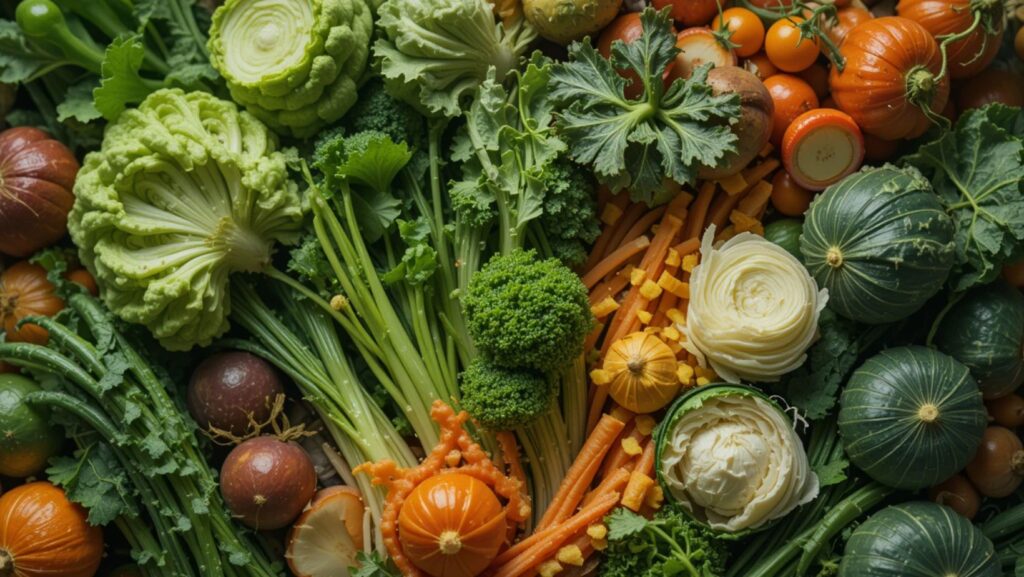
Would you want to know What happens if you eat too many vegetables? In my experience, eating too many vegetables can cause digestive discomfort like gas, bloating, and stomach cramps due to their high fiber content, especially if you increase your intake too quickly.
In extreme cases, it can also cause diarrhea or constipation, and if you only eat vegetables, you may not get enough protein or healthy fats.
It is possible to eat too many veggies, but it is not a problem. “Too many” suggests a negative consequence, no matter how useful a modest number is.
Way too much water? You may drown. Too much exercise? You may hurt yourself. Too much of anything is bad. Just don’t overdo it.
You can keep eating veggies. Be careful not to consume 4kg of broccoli in one day! However, as you continue, I will explain more.
Now, let’s get started.
How to avoid digestive issues caused by vegetables
Avoid sensitive foods:
Do you have a chickpea, onion, celery, pepper, garlic, or other vegetable intolerance? We recommend a food intolerance test if you feel you may have one.
Food allergy and intolerance testing are different. True food allergies damage several organs through the immune system.
Food allergies can be severe or life-threatening, and a food allergy test can detect a variety of symptoms. Food intolerance symptoms are usually stomach issues and less severe.
Lorisian and skilled Nutritional Therapists have created complete diet-balancing programs to improve health.
Combine soluble and insoluble fibers.
On an empty stomach, avoid insoluble fibers. Always consume them with soluble fiber-rich meals to avoid irritation.
Remove roughage:
Remove the stems, peels, skins, and leaves from insoluble fiber-rich vegetables.
If you can’t imagine giving up broccoli, onion, or garlic, consider cooking them well.
By partially breaking down the fiber, dicing, stewing, or other cooking softens it, making it easier on your gastrointestinal system. Roast, mash, steam, boil, sauté!
In the past, troglodytes ate seasonal foods based on availability. This diet has been shown to be healthier and better for our tummies.
Fermented veggies are beneficial for gut health due to their easy absorption and probiotic content.
What Are The Harmful Effects of Eating Too Much Vegetables
Vitamins, minerals, fiber, and other nutrients are in vegetables. Eating enough vegetables promotes intestinal peristalsis and bowel motions, provides micronutrients, and ensures organ function.
However, overeating veggies can harm health.
First, too many veggies might cause indigestion. Consuming a lot of crude fiber-rich foods might cause dyspepsia. Celery, bamboo shoots, etc.
Thus, gastrointestinal illness patients should limit vegetable intake. Crude fiber can also induce gastrointestinal bleeding in cirrhosis patients, worsening the illness.
Second, eating too many veggies may damage children’s bones and intellectual development.
This is because excessive vegetable consumption hinders calcium and zinc absorption, reducing children’s intelligence and bone formation.
This is especially dangerous to pregnant women and growing children.
Thirdly, overeating veggies can cause calculus.
Spinach, celery, and tomatoes have a lot of oxalic acid, which combines with calcium in other meals to generate calcium oxalate, which can lead to calculus.
This is a major reason vegetarian women get calculus.
For calculus patients, eating too many veggies will worsen the illness. This is because most veggies are alkaline.
Daily meals high in alkaline foods may increase stones and make them harder to pass.
Fourthly, too much veggies might cause malnutrition and iron-deficiency anemia in women. Many women eat more veggies and less meat and fish to lose weight and stay slender.
This impairs vital fatty acid and protein absorption, causing malnutrition. The body lacks iron from animal flesh; hence, women always have iron-deficiency anemia.
Can You Eat Too Many Vegetables
In summary, it is possible to consume too much veggies.
The best health outcomes are obtained when five servings of fruits and vegetables are consumed daily.
Individuals who consume five servings daily are less likely to die from:
10% of cases are cancer.
Stroke or heart attack (12%)
Any reason (13%)
respiratory catastrophe (35 percent)
Vitamins and minerals found in fruits and vegetables help you stay as healthy as possible. It is advised that we consume three servings of veggies and two portions of fruit each day.
Eating too many vegetables can harm your health, even as eating enough can lower your risk of illness.
Here are some indicators that your vegetable intake is excessive.
Deficiencies in Nutrition
In the United States, vitamin deficiencies affect more than 90% of people.
Roughly half lack adequate amounts of vitamins A, C, and magnesium. Vitamin D insufficiency affects more than 50% of people, including 70% of older people.
Approximately 70% are calcium deficient and 90% are potassium poor.
While most vegetables don’t include fat or protein, they do contain carbs. You risk developing a nutritional deficit if you don’t include fat and protein in your diet.
A protein deficit manifests as:
Anxiety or depression
Weakness
Weariness
Soreness in the muscles
Dry skin, hair loss, and swelling
Can You Eat Too Many Vegetables
In summary, it is possible to consume too much veggies.
The greatest health advantages appear to come from consuming five servings of fruits and vegetables each day.
Individuals who consume five servings daily are less likely to die from:
10% of cases are cancer.
Stroke or heart attack (12%)
Any reason (13%)
respiratory catastrophe (35 percent)
Vitamins and minerals found in fruits and vegetables help you stay as healthy as possible. It is advised that we consume three servings of veggies and two portions of fruit each day.
Eating too many vegetables can harm your health, even as eating enough can lower your risk of illness.
What are the Signs you are not eating enough vegetables
Consuming more vegetables has been associated with a lower risk of several chronic illnesses, including colon cancer. Some people on the planet have the lowest incidence of colon cancer and consume diets with remarkably high fiber content.
Although correlation does not necessarily imply causation, there appears to be a connection, and it may be prudent for those with a family history of colon cancer to consume more fiber vegetables.
IBS symptoms have been found to be lessened when a person consumes a diet high in fiber, yet in some people, I have observed that higher fiber intake exacerbates IBS symptoms.
Low consumption of vegetables has been connected to constipation symptoms and constipation-related problems including hemorrhoids.
What er the Signs that you might be eating too many vegetables
Plants have several defensive mechanisms that may be used to poison any animal that tries to consume them or to block an animal’s digestive enzymes.
Certain vegetables are frequently difficult for people with compromised digestive systems to digest, especially when they are offered raw.
In my own experience, people with severe digestive stress tend to have better digestion when they consume fewer non-starchy vegetables, such as cruciferous vegetables, and concentrate more on eating vegetables that are below ground or make sure that any non-starchy vegetables are cooked through.
This could only last temporarily until the digestive system has been strengthened and maintained, allowing you to handle once more trace levels of toxins found in the plants we consume and become more capable of handling the indigestible fibers found in vegetables that grow above ground.
Overconsumption of vegetables can result in symptoms such as constipation and problems associated with it, bloating and distension, and excessive gas or wind.
Final thought
Now that we have established What happens if you eat too many vegetables, Your fresh food habit is probably doing more good than harm unless you’re regularly consuming more than four servings of fruit and seven servings of vegetables each day.
However, a balanced diet is the healthiest, so in addition to your fruits and vegetables, consume a lot of good grains, lean protein, and low-fat dairy.
Get your doctor’s approval before making significant modifications to your existing diet.