
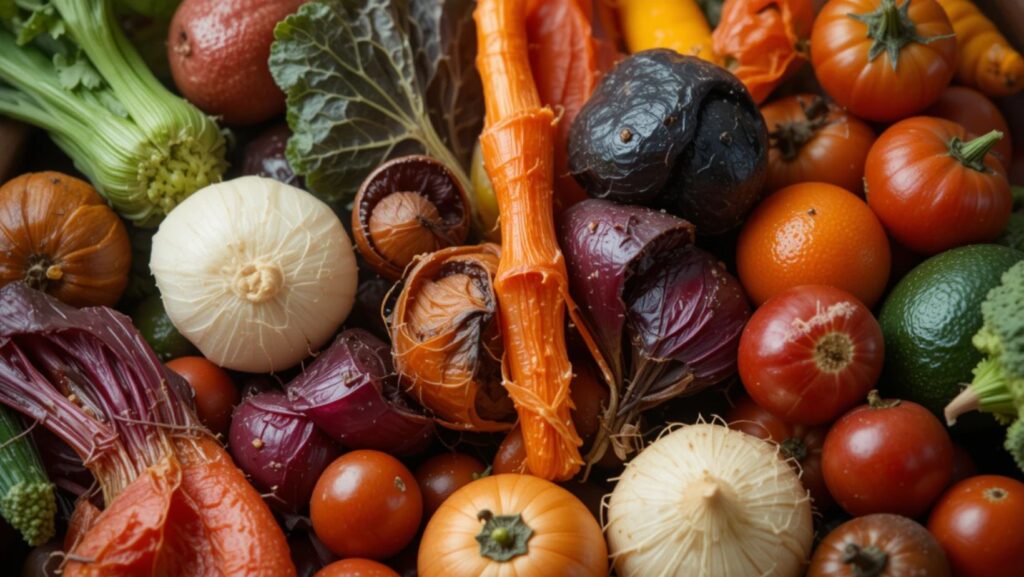
Would you want to know Vegetables rich in iron for anemia prevention? Iron deficiency anemia is a big problem in India’s public health system, as I can tell from personal experience.
Millions of individuals are impacted by this issue, with moms, kids, and teens being the most affected.
Although anemia is more common in some parts of India than others, it is nevertheless a major reason for concern.
There is a 57% incidence of anemia in women aged 15–49 and a 67% prevalence in children aged 6-59 months.
However, that is not all; as you continue reading, I will provide you with further information on the topic matter.
Now, let’s get started
What are the Fruits & Vegetables for Iron Deficiency Anemia
The following are the best fruits and veggies to help:
Fruits High in Iron
Pomegranate Pomegranates, which are rich in iron and antioxidants, can raise hemoglobin levels. About 0.31 milligrams of iron are present in 100 grams of pomegranates.
Dried Apricots: With about 0.8 mg per 100 grams, these dried apricots are a delightful and easy way to get iron.
Prunes: In addition to having a high fiber content, prunes include around 0.7 mg of iron per 100 grams.
Raisins are a multipurpose item that provides around 0.7 milligrams of iron per 100 grams.
Dates: Each 100 grams of these natural sweets has about 0.5 milligrams of iron.
Iron-Packed Veggies
Spinach: A traditional food high in iron, spinach has about 2.7 milligrams of iron per 100 grams.
Kale: Kale is another leafy vegetable that has about 1.0 mg of iron per 100 grams.
Swiss Chard: Approximately 0.8 milligrams of iron per 100 grams of this adaptable veggie.
Approximately 0.5 milligrams of iron per 100 grams is found in broccoli, a cruciferous vegetable.
A low-calorie choice that has about 0.3 mg of iron per 100 grams is asparagus.
Lentils: A high-protein and iron-rich legume, lentils have about 3.3 milligrams of iron per 100 grams.
Chickpeas: Approximately 3.8 mg of iron per 100 grams. Chickpeas are another legume that provides both protein and iron.
Beans: A multipurpose nutrient, different types of beans offer various amounts of iron. Kidney beans, for instance, provide around 3.6 milligrams per 100 grams.
Soybeans: Approximately 8.6 milligrams of iron per 100 grams, soybeans are a complete protein source.
A starchy vegetable, potatoes contain around 0.3 milligrams of iron per 100 grams.
A root vegetable that has around 0.76 mg of iron per 100 grams is beets.
The herb parsley has around 0.6 milligrams of iron per 100 grams.
With about 0.6 mg of iron per 100 grams, cilantro is another plant that might increase iron consumption.
A leafy green with around 0.7 milligrams of iron per 100 grams is watercress.
Additional Foods High in Iron:
Fish: Sardines, salmon, and tuna are all great sources of iron.
Meat: Iron is also abundant in liver, fowl, and red meat.
Iron-fortified foods include a variety of breads, pastas, and breakfast cereals.
What are the iron-rich fruits and vegetables
Think about including iron-rich greens like spinach, kale, broccoli, and lentils in your diet, as well as iron-rich fruits like prunes, figs, dates, and raisins, to boost your intake of iron.
A closer look at fruits and vegetables high in iron is provided below:
Fruits High in Iron:
Dried Fruits: Dried apricots, dates, figs, raisins, and prunes are all great sources of iron.
Other Fruits: Iron may also be found in prune juice, watermelon, and strawberries.
Citrus Fruits: Vitamin C, which aids in the body’s absorption of iron, is abundant in citrus fruits like oranges, lemons, and grapefruits despite their lower iron content.
Iron-Packed Veggies:
Dark Leafy Greens: Iron-rich foods include beet greens, collard greens, spinach, and kale.
Other Vegetables: Other vegetables that are high in iron include tomatoes, sweet potatoes, peas, broccoli, and Brussels sprouts.
Kidney beans, chickpeas, and lentils are protein and iron-rich legumes.
Other Vegetables: Iron can also be found in potatoes, mushrooms, and asparagus.
What are the High-Iron Fruits and Vegetables
Spinach: One cup of cooked spinach contains 6.5 milligrams of iron.
To increase absorption, Lorenz advises using it with foods high in vitamin C, including stewed tomatoes or lemon juice.
Eating the leafy green will also increase your intake of folate, which is necessary for the development of red blood cells, and lutein, an antioxidant that promotes eye health.
Enjoy spinach as a nutrient-dense salad foundation, pureed into smoothies, or sautéed with garlic, olive oil, and a touch of fresh lemon.
Dried Apricots:
Grab some dried apricots for a fast snack that’s high in iron. USDA4 data shows that they provide over two milligrams of iron per half-cup serving.
Additionally, according to Lorenz, dried apricots include potassium and fiber, which are beneficial for heart and digestive health, respectively.
Savor dried apricots by themselves or “incorporate them into trail mix, yogurt parfaits, or oatmeal for a nutrient-dense, high-carb energy boost.”
Dates: If you enjoy Medjool dates, you’re in luck since they’re a high-iron fruit that tastes sweet and chewy.
Four Medjool dates provide around one milligram of iron5, along with fiber, potassium, and copper.
Additionally, they may be used to organically sweeten smoothies, homemade energy bites, and salads, making them quite flexible.
Medjool dates may also be consumed as a snack on their own, but if you want to add even more taste, follow Snashall’s advice and dip them in almond butter.
Swiss Chard: Another high-iron vegetable, Swiss chard provides around four milligrams of iron for every cup cooked. “
It’s also a great source of gut-friendly fiber, bone-building vitamin K, and immune-boosting vitamin A.”
Swiss chard is a particularly good source of vitamin C. You may boil it with your favorite spices or eat it raw in a salad with strawberries.
vegetarian iron-rich Indian foods
Soybean: Iron is abundant in foods made from soybeans.
Lentils: Another Indian meal high in iron is lentils. It also has high levels of manganese, complex carbohydrates, fiber, folate, and protein.
Peas and beans: White, navy, lima, and red kidney beans are also high in iron.
Nuts: Iron-rich cashews, almonds, and pine nuts can help prevent anemia.
Iron-rich seeds include pumpkin, sesame, hemp, chickpeas, and flaxseeds.
Iron-rich leafy greens include broccoli, cabbage, Brussels sprouts, beet greens, spinach, kale, and collards. Iron may be found in potatoes, mostly in the skin.
Only a small number of the many different types of mushrooms, such as portobello and oyster mushrooms, are high in iron.
Olives: Rich in iron, olives lower the risk of heart disease.
Whole grains: Oats and quinoa are examples of whole grains.
Dark chocolate: Rich in iron, fiber, magnesium, copper, and manganese, it is far more nutrient-dense than its milk chocolate equivalent.
Why get your iron from vegetables
Vegetables include a wealth of additional nutrients, such as vitamins, minerals, and phytonutrients (health-promoting plant chemicals), in addition to iron.
Additionally, you will give your diet more taste and diversity.
Try these veggies that are high in iron:
1. Artichokes
About 1 mg of iron may be found in one cup of cooked artichokes, but that’s only one aspect of the matter. In addition to iron, artichokes are rich in vitamins and phytonutrients.
2. The asparagus
Iron content in one cup of cooked asparagus is more than 1.5 milligrams. Vitamin C and protein are also abundant in it.
3. Potatoes baked
A potato is a rich source of iron if you consume both the flesh and the peel. Nearly 2 mg are found in one medium potato. However, try to limit the amount of high-calorie toppings you use.
4. Bok choy
This adaptable vegetable, also known as Chinese cabbage, bok choy, or pak choi, has a good amount of iron. There are around 1.8 mg in one cup of sautéed bok choy. Add it to soups, salads, and stir-fries.
5. Broccoli
More than 1 mg of iron may be found in one cup of cooked broccoli. The “eye vitamins” lutein and zeaxanthin are among the many other nutrients that broccoli is high in.
6. Brussels sprouts Brussels sprouts are another nutritional powerhouse, with nearly 2 milligrams of iron per cup.
Previously disliked by many Americans, Brussels sprouts are currently seeing a surge in favor. Roast them or grill them for maximum flavor.
7. Chanterelle mushrooms
Chanterelles are one of the finest suppliers of iron, while other mushrooms are only mediocre. There are about two milligrams of iron in one cup of uncooked chanterelles.
8. Chickpeas, sometimes referred to as garbanzo beans, include about 4 milligrams of iron per cup.
Another way to eat chickpeas is in creamy hummus.
9. Seaweed that has been dried
Seaweed is rich in nutrients and is sometimes referred to as marine veggies. Nearly 4 milligrams of iron may be found in one cup of dry seaweed.
Naturally, you’ll likely consume far lower amounts of seaweed. In any case, you may soak it in water and eat it as a salad or use it dry for a stronger flavor.
Final thought
Now that we have established the Vegetables rich in iron for anemia prevention, For adults and children aged four and above, the daily value (DV) of iron is 18 milligrams (mg). For kids aged 1-3, the daily value of iron is 7 mg.
Heme and non-heme iron are the two primary varieties. The kind of iron that the body absorbs the most easily is heme iron, which is present in meat, fish, and poultry.
Plant-based foods including fruits, vegetables, and nuts, provide non-heme iron, which is essential for a diet that is well-balanced.
Eat meals high in vitamin C at the same meal as those high in iron to help the body absorb more iron. Citrus fruits, tomatoes, broccoli, and strawberries are a few foods that are high in vitamin C. Cooking