
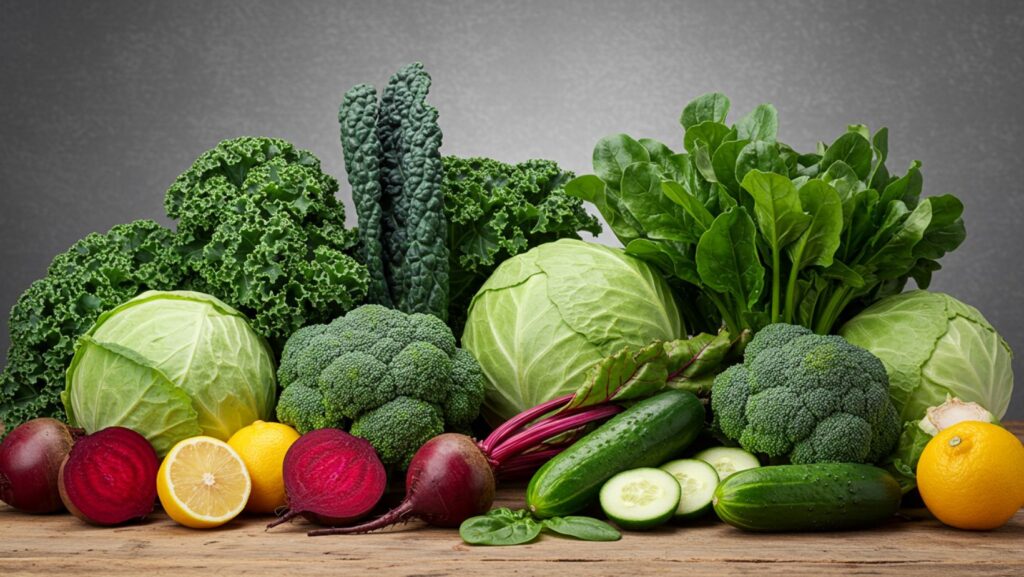
Would you want to know about Vegetables for migraine relief? My own experience suggests that dark green leafy vegetables, such as collard greens, spinach, and kale, may help reduce migraines.
Because of their high nutritional content, these veggies may help lower oxidative stress and inflammation. The discomfort of a migraine may disrupt your entire day.
The throbbing and hurting can be a small irritation, or it might prevent you from going about your daily activities.
Knowing how to manage your migraine symptoms can help you feel better and get on with your life, regardless of how severe your migraines are or how frequently they occur.
But that’s not all; I’ll explain more about the topic as you continue reading.
Now, let’s get started
What vegetables are good for migraines
Eat these foods to prevent and treat headaches.
VEGETABLES WITH GREEN LEAVES The B vitamin folate may be found in spinach, romaine lettuce, broccoli, and other dark green leafy foods.
Folate may help migraineurs avoid or lessen the intensity of their attacks.
NUTS & SEEDS Cluster migraines, stress- or tension-type migraines, and chronic migraines may all be associated with a magnesium deficit.
Magnesium is abundant in nuts and seeds, particularly in peanuts, cashews, almonds, and pumpkin seeds.
GINGER: ginger may be just as good at reducing migraine discomfort as the drug sumatriptan. Other symptoms, such as nausea that frequently accompany severe migraines, have also been demonstrated to be alleviated by ginger.
HEAVY FISH Eating a diet rich in omega-3 fatty fish, such as salmon and tuna, for at least 16 weeks decreased the frequency and intensity of migraines in those who had them.
What are the Foods That Help Migraines
1. Eggs
Eggs, whether hard-boiled, over easy, or in an omelet, may relieve migraines. Riboflavin, or vitamin B2, is a B vitamin essential for cell growth and function.
Some medical experts recommend taking riboflavin supplements to prevent migraines, as some studies have shown it to be effective.
Eating eggs for breakfast is a great way to get riboflavin naturally. Try them in a colorful morning scramble with red peppers and zucchini, or boil a batch at the start of the week.
You may add a poached egg to a brown rice grain bowl or use your cast iron skillet to make shakshuka outside of breakfast and brunch.
2. Watermelon
If you can’t drink enough water during the day, consider eating some. Dehydration can cause migraine.
Watermelon’s high water content and sweet taste make it hard to refuse on a hot summer day. Enjoy cubed watermelon in a fruit salad, blended with ice for a spoonful of frozen pleasure, or on its own.
Use watermelon in a savory salad for a refreshing twist. Add mint, feta, and almonds, or make a summery seafood salad with watermelon, avocado, shrimp, and cilantro.
3. Navy beans
Don’t allow this little white legume’s non-navy hue to fool you. Navy beans, kidney beans, pinto beans, chickpeas, and lentils are legumes.
Magnesium, found in legumes like navy beans, regulates muscle, blood sugar, blood pressure, and neuron function.
4. Almonds
Another magnesium-rich source? Almonds, seeds, etc. Almonds are more portable than navy bean soup.
Almonds are rich in magnesium, vitamin E, fiber, biotin, and calcium and may reduce the risk of heart disease.
If you get tired of plain almonds, try adding sliced or chopped almonds to your salad, using almond flour in your favorite baked goods, or mixing them into granola.
A food processor may be used to produce almond butter, which is great over toast or apple slices.
How to stop migraines immediately
1. Massage
Indeed, massages are really soothing, even if they may appear opulent. Upper-body stress brought on by strained muscles from bad posture or an intense exercise regimen can occasionally cause headaches.
Both chronic pain and migraine-causing muscular tension may be alleviated by massage treatment.
Spend some time researching different massage modalities (Swedish, deep tissue, shiatsu, etc.) and obtaining trustworthy recommendations for a local professional who can successfully treat your particular problem areas.
2. Applications for hot and cold
Compresses that are either hot or cold can help relieve muscular tension migraines. To prevent skin damage, put the ice in a plastic bag wrapped with a small cloth for the chilly part.
Put the ice pack on your cheeks and/or forehead or really anywhere that hurts the most.
Just make sure you don’t use cold packs for longer than ten minutes at a time.
3. Fragrances
The study of aromatherapy focuses on how specific scents may cause the brain to react in a way that is both therapeutic and good.
There have been reports that certain scents can calm people and lessen the frequency of migraines.
These consist of lavender oil, eucalyptus, and peppermint extract. They are easily accessible online or at a lot of nearby health food stores.
4. The use of acupuncture
To encourage the passage of qi, acupuncture uses tiny, pointed needles to target specific body parts.
It has been demonstrated to lessen the frequency and intensity of migraines and is believed to activate the body’s natural pain-relieving chemicals.
Is there such a thing as a migraine prevention diet
For some migraineurs, diet may be crucial, but not for others. Nearly 50% of migraineurs say that they have migraines when they fast.
Although the list of items that may cause migraines can be lengthy, some patients attempt to cut out anything that is mentioned as a possible trigger from their diet.
As a result, it is probably harmful to restrict your food in any way for a long period of time.
Learning the facts and being astute should be the main goals of any sensible and practical approach to migraine and food.
Patients might attempt to reduce their intake, particularly during high-risk periods, after spending some time studying which foods may trigger them.
With practice, one may learn to recognize migraine triggers and steer clear of certain particular foods when migraine risk is elevated.
For instance, many women have more frequent migraine episodes at specific periods of the menstrual cycle.
What are the Dietary dos and don’ts when treating migraines naturally
In addition to diet, eating habits can also assist in avoiding migraines. Eating meals on a regular basis and avoiding long intervals between them is crucial.
A dip in blood sugar might result from skipping meals or from waiting too long between them.
If you have diabetes or another illness that affects your blood sugar levels, this may cause migraines. To avoid this, think about eating five modest meals a day.
Eating a balanced diet is crucial. A diet that is lower in carbs and higher in protein, however, may help lessen the frequency and severity of migraines.
Eating a low-fat diet and selecting good fats, such as omega-3 fatty acids, are also beneficial.
Finally, make sure you consume plenty of water. Numerous migraine forms are known to be triggered by dehydration.
Make an effort to consume 1.5 L of water each day. This is equivalent to consuming an 8-ounce glass of water six times a day.
What are Common Migraines Triggers
Preventing migraines from occurring in the first place is one method of managing them. Migraines typically have triggers, and identifying these can help prevent migraines.
The following are a few of the most typical migraine triggers:
Bright lights
Too much time spent in front of a screen
Stress and sleep deprivation
Poor posture
Dehydration
Not getting enough food
Migraines can be brought on by any combination of these reasons. Aside from the already stated, it would be helpful to record any additional circumstances that could influence your condition.
Final thought
Now that we have established Vegetables for migraine relief, It may be as easy as applying pressure to certain pressure spots on your body to treat migraines.
Apply pressure to your temples and rub them gently in a circular motion, for instance, to ease headaches. This is a normal reaction for many individuals when they are under stress.
Use the tips of your index fingers to press in the middle of your eyebrows and then release, or press in tiny circles for a minute and then release, to relieve migraine discomfort brought on by eyestrain.