
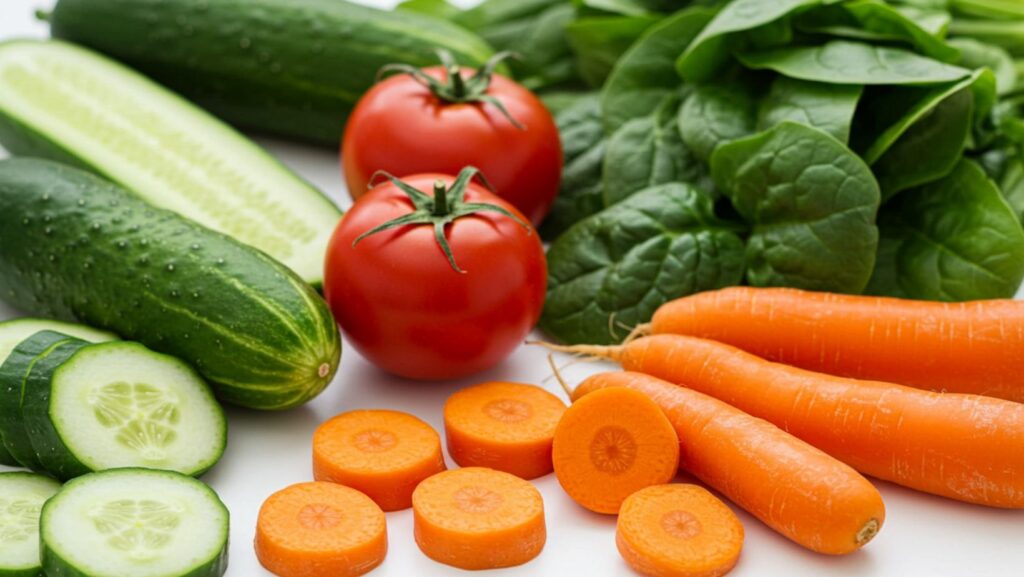
Would you want to know about Vegetables for acne treatment? My own experience suggests that cruciferous veggies, leafy green vegetables, and other types of vegetables may be beneficial in the treatment of acne.
It is common knowledge that fruits and vegetables are loaded with nutrients that are beneficial to the skin and the body as a whole.
The consumption of significant quantities of them will not miraculously clear up your acne, but they will assist in the promotion of healthy skin and the reduction of inflammation.
However, that is not all; as you continue reading, I will provide you with further information on the topic matter.
Now, let’s get started
What vegetable is best for acne
Some of these should be included in your diet:
cruciferous and leafy vegetables such as kale, broccoli, cauliflower, spinach, and Brussels sprouts are examples of such veggies.
Pumpkin and flaxseed seeds are examples of seeds.
There are a variety of nuts, including Brazil nuts, walnuts, almonds, and pine nuts.
Focus on whole grains: Whole grains, which are high in fiber, should be considered. Whole grains include whole grain bread, pasta, and rice, as well as einkorn, quinoa, and other similar foods.
All fruits and vegetables should be given priority.
Numerous fruits and vegetables are rich in vitamins and antioxidants; this is especially true of watercress, avocados, kiwis, grapefruit, garlic, green cabbage, spinach, broccoli, and beets.
Consume at least 1.5 liters of water on a daily basis: Consuming 1.5 liters of water on a daily basis helps facilitate the elimination of pollutants and enhances the appearance of your skin.
Consider the plants that assist in cleansing the liver and improving hepatic outflow, such as black radish, artichoke, and dandelion, among others.
Do vegetables stop acne
As a result of the high quantities of antioxidants and vitamins that they contain, fresh fruits and vegetables are among the greatest meals for acne.
It has been shown that diets high in fiber can help prevent inflammation and rises in blood sugar.
Consuming foods such as steel-cut oats, legumes, apples, and carrots are all wonderful choices that can assist in maintaining clean skin.
The potential benefits of veggies for acne
The consumption of foods that are high in fiber can help prevent inflammation and rises in blood sugar.
Antioxidants: Antioxidants can eliminate microorganisms that cause acne or lessen the inflammatory response that is linked with these conditions.
The majority of fresh veggies have a low glycemic index (GI), which may be beneficial in reducing acne by lowering blood sugar levels.
Additional meals that could be beneficial for acne sufferers
Fatty acids high in omega-3: The presence of omega-3 fatty acids, which may be found in walnuts and seafood, has been associated with a reduction in acne.
Zinc: Zinc is the mineral that is necessary for the growth and proper functioning of the skin.
Cruciferous veggies: There is some evidence that cruciferous vegetables, which include broccoli, cauliflower, and Brussels sprouts, can help decrease acne.
Red grapes have the potential to decrease acne, slow the aging process of the skin, and lower UV
Do carrots stop acne
One way to maintain clear skin is to consume a diet that is high in fiber. Carrots, broccoli, and Brussels sprouts are high-fiber veggies.
They also have a low glycemic index; therefore, you should incorporate them into your normal diet. Fish and seafood.
There is a correlation between eating seafood and having less acne since seafood includes omega-3 fatty acids.
The potential benefits of carrots for acne
As a result of their ability to decrease inflammation, carrots can be beneficial in the treatment of acne.
Boost cell turnover: Carrots can boost cell turnover, which in turn helps exfoliate the skin.
Carrots can assist boost the skin’s defenses against germs that can cause acne. Carrots can be consumed to benefit the skin.
Additional meals that could be beneficial for acne sufferers
Green leafy greens: The presence of chlorophyll, which aids in the elimination of germs and toxins from the digestive system and the circulation, is present.
The use of probiotics and omega-3 fatty acids has the potential to prevent acne and enhance the body’s ability to absorb oral acne medicines.
Is watermelon good for acne
Indeed, watermelon has the potential to be of great benefit to skin that is prone to acne.
The anti-inflammatory and antibacterial qualities of the fruit aid in calming redness and irritation, while the exfoliating enzymes in the fruit can assist in unclogging pores and prevent recurrent breakouts.
If you want to maintain a clean and blemish-free face, including watermelon in your skincare routine might be beneficial.
To achieve the best possible outcomes, I suggest including watermelon in your skincare regimen at least twice or three times each week.
You may use products that contain watermelon on a daily basis; however, if you want to get the most out of this skin-loving fruit, you should try to make masks and treatments that you make yourself a few times a week.
Moreover, When it comes to watermelon, there are no certain skin types that should avoid it.
On the other hand, those who have highly sensitive skin might wish to perform a patch test beforehand because the natural acids in the fruit have the potential to irritate the skin.
What is the best thing for acne
Peroxide of benzoyl.
This chemical helps clear the face of excess oil, eliminates dead skin cells that can block pores, and kills the germs that cause acne.
You may get over-the-counter benzoyl peroxide creams in strengths ranging from 2.5% to 10%.
Adapalene. This component, a retinoid, aids in clearing clogged pores and avoiding fresh outbreaks.
Adapalene gel (Differin) is available at a 0.1% strength without a prescription. Avoid using this lotion on skin that has an eczema outbreak, cut, or sunburn.
When the gel is administered, you may get a mild stinging sensation, but it will quickly subside.
Salicylic acid. This component could aid in clearing clogged pores and averting fresh outbreaks.
Prescription-free salicylic acid treatments come in leave-on and wash-off formulations with concentrations ranging from 0.5% to 2%.
Skin darkening, moderate stinging, and mild skin irritation are possible adverse effects.
Acid azelaic.
This chemical has a modest antimicrobial effect and helps keep pores from getting clogged. 10% strength azelaic acid products are accessible without a prescription.
Postinflammatory hyperpigmentation, or dark patches that may persist after acne goes away can also be treated with azelaic acid.
alpha-hydroxy acids. Synthetic forms of acids, and alpha hydroxy acids are obtained from milk, sugar cane, or fruits that contain sugar.
Lactic acid and glycolic acid are two forms of alpha hydroxy acids included in over-the-counter acne treatments.
By eliminating dead skin cells and soothing irritated skin, they cure acne. Additionally, alpha hydroxy acids promote the development of new, smoother skin.
Finalt thought
Now that we have established Vegetables for acne treatment; moreover, Vitamins and nutrients that are beneficial to the skin may be found in abundance in fruits and vegetables such as apples, cherries, bananas, red grapes, and raspberries.
These fruits, as well as the seeds that they contain, are highly abundant in fiber and antioxidants, both of which have been demonstrated to possess anti-inflammatory qualities on several occasions.
The use of avocado as a moisturizing face mask and for the purpose of maintaining stable blood sugar levels is also commonly advocated.