
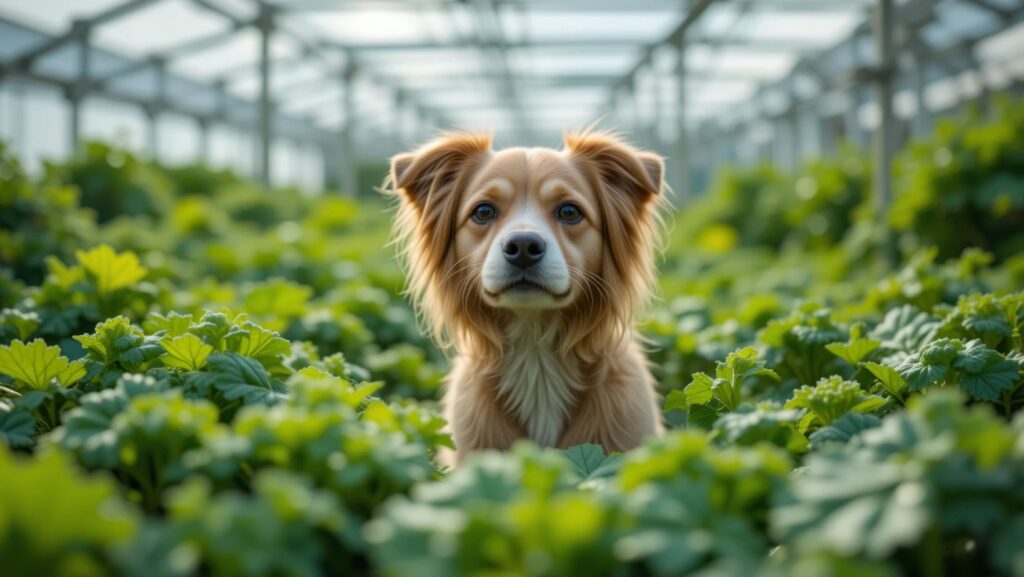
Would you want to know about Toxic vegetables for pets? In my experience, vegetables are nutritious snacks for both people and pets. Furthermore, they play a crucial role in both of our diets!
They provide your pet with the nutrition and vitamins he needs to live.
But not every vegetable that is good for people can be given to pets. It’s simple to make a mistake and give them a harmful meal under the mistaken impression that you’re feeding them something nutritious if you don’t know any better.
Some vegetables in the nightshade family, such as unripened tomatoes or raw potatoes, as well as those in the Allium family, like garlic and onions, can poison your pet. Make immediate contact with a
veterinarian if your pet consumes a hazardous vegetable.
But that’s not all; as you continue reading, I’ll provide additional information on the topic.
Now, let’s get started.
What are the Toxic vegetables for my pets
Grapes, raisins, and currants are examples of food items that are harmful to pets and should be avoided.
When it comes to shallots, onions, garlic, leeks, and chives, Blood issues, diarrhea, stomach discomfort, and nausea are all possible side effects.
Persin, which is found in avocados, is known to promote nausea, vomiting, and diarrhea.
Onion stems, tomato leaves, and green tomatoes that have not yet ripened: Toxic to pets, solanine is present in these products.
Mushrooms are another type of food that can be harmful to pets. They can lead to renal and liver failure, as well as vomiting, diarrhea, hallucinations, and damage to red blood cells.
Your canine companion can require a blood transfusion if they consume a significant amount of garlic or onions.
These veggies are poisonous, and you should avoid offering them to your pet.
What Vegetables Are Good for Pets
These are some of the greatest veggies to provide your pet if you’re searching for a quick and healthful treat.
Just be careful to get rid of any seeds, pits, stalks, leaves, or cores. Additionally, before giving your pet veggies, make sure they are clean and sliced into little pieces.
Although broccoli is high in fiber, be advised that eating it may result in flatulence.
Antioxidants, digestible plant protein, vitamins C and K, potassium, folic acid, magnesium, salt, and chromium are also present in this vegetable.
Celery
Celery is low in calories, high in fiber, and has a high water content. It has manganese, potassium, folate, and vitamins A, B, C, and K. But before you feed celery to your pet, you must de-string it.
Green beans
Protein, iron, calcium, fiber, and vitamins A, B6, C, and K are all found in green beans.
In addition to being low in calories, they also make your pet feel full, and most pets like the natural sweetness of vegetables.
However, since salt might damage your pet, make sure the green beans aren’t salted.
The cauliflower
Although it is healthy for your pet, the high fiber content of cauliflower may make your pet more irritable.
It also includes calcium, potassium, folate, and vitamins C and K. Due to its low-calorie content, cauliflower is a safe and healthful treat for pets.
The lettuce
A vegetable that is low in calories, high in fiber, and 90% water, lettuce is an excellent way to keep your pet hydrated.
Your pet can safely eat romaine, arugula, and iceberg lettuce, but excessive amounts of spinach and kale can be toxic.
Carrots Due to their high sugar content, carrots are an excellent option for a nutritious pet treat, but they should only be given occasionally.
In addition to being low in calories and high in fiber, carrots also contain beta-carotene, which is the precursor of vitamin A.
Because of their inherent sweetness, most pets will adore them and like crunching them.
Peppers with bells
Your pet may safely eat bell peppers of any hue. Vitamins A, B6, and E, lutein, and antioxidants like beta-carotene and vitamin C are all abundant in bell peppers.
They can support the health of your pet’s skin, coat, and eyes.
Pets may safely consume modest amounts of cooked, steaming, or plain raw zucchini. Zucchini is low in fat, cholesterol, and calories. It is rich in minerals, fiber, antioxidants, and vitamins A, C, B6, and K.
What are the Vegetables Pets Should Not Eat
Onions and garlic are poisonous to pets and are especially harmful when consumed uncooked.
Remember to steer clear of the other vegetables in this family, including scallions, leeks, and chives.
Avoiding tomatoes is also advised since they contain a substance called solanine, which can induce tremors.
It is extremely risky for your pet to eat corn on the cob since it can induce gastrointestinal obstruction, which can be fatal and may need surgery to clear.
Although they are not poisonous, radishes might choke your pet due to their form. This is particularly true for pets that consume food rapidly.
Finally, avocados, particularly the seed, can irritate our pets’ stomachs and make them throw up.
Most of them can’t be eaten by pets, and they shouldn’t ingest anything that can clog their windpipe or intestines.
What are the Benefits of vegetables for pets
Although pets enjoy (and should eat) a lot of meat, vegetables may also give your pet nutrients that meat does not.
Rich in vitamins, minerals, fiber, phytonutrients, and antioxidants, vegetables may help prevent illness.
Because of their high water content, they are also a great source of hydration and contain digestive enzymes.
Pets, in contrast to humans, cannot survive only on veggies.
To maintain a well-balanced diet, your pet should consume a range of foods; thus, vegetables should not account for more than 10% of their daily caloric intake.
How to Prepare Vegetables for Pets
When preparing pet-safe veggies as a treat, it’s ideal to wash them well, chop them into little pieces, and leave them absolutely simple.
Stems, leaves, seeds, cores, pits, and anything else that can obstruct the intestines or present a choking threat should all be removed.
Moderation is key when it comes to any indulgences, even vegetables. A well-balanced pet food diet should provide the remaining 90% of the total.
How to provide veggies to pets
As with any new meal for humans, it’s better to add veggies to your pet’s diet gradually. Take a little at first, and watch your pet closely.
Increase the dosage gradually if they don’t exhibit negative side effects like vomiting, diarrhea, or excessive gas.
Generally speaking, pets can consume a vegetable uncooked if humans can. Therefore, it’s okay to serve raw green beans or celery, but you should always boil vegetables like yams and potatoes.
To lower the chance of choking, always chop the vegetables into tiny, bite-sized pieces.
Serve the veggies without any seasonings, oils, butter, or salt. Adding any of these may injure your four-legged pet, in addition to destroying the nutritious value of veggies.
Generally speaking, your pet will find it simpler to digest and absorb all the nutrients from veggies that are cooked gently (e.g., by steaming, grilling, or blanching).
Vegetables can also be pureed to maximize advantages and digestion. Remember that moderation is essential.
Despite their health benefits, veggies should only account for 10% of your pet’s daily caloric intake.
Overconsumption of vegetables might alter gut flora or raise alkalinity, which can lead to kidney problems.
Final though
Now that we hve etsbalished Toxic vegetables for pets Broccoli, cauliflower, zucchini, celery, cucumbers, lettuce, and potatoes are among the other veggies that are generally safe.
A great approach to strengthen your relationship with your pet is to come up with inventive ways to prepare unique treats for them with safe components.
As you prepare a special food for them, they will enjoy licking the bowl and spoon with you.
Additionally, a short contact with your veterinarian will clarify any confusion regarding a substance.