
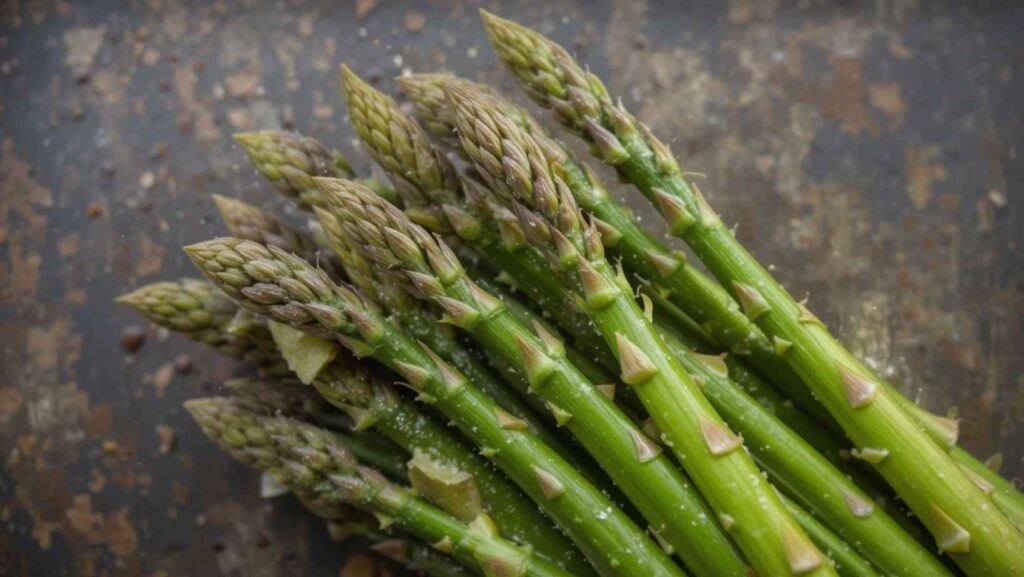
Would you want to know if asparagus is safe for babies and toddlers? To answer your question, yes, asparagus is safe for infants and toddlers, provided it is prepared and presented properly. This typically occurs around the age of six months, when they start eating solid foods.
Asparagus may be offered to infants as spears that have been gently cooked or sliced into small pieces.
Asparagus is also rich in folate, which is beneficial for cell health and the production of amino acids.
Additionally, it is rich in vitamin B6, which helps youngsters process both protein and carbohydrates.
In general, the more vibrant the color of the food, the higher the concentration of vitamins and antioxidants that it contains.
However, that is not all; as you continue reading, I will provide you with further information on the topic matter.
Now, let’s get started.
Can babies and toddlers eat asparagus
To answer your question, yes, infants and toddlers can safely consume asparagus.
Typically, they begin eating solid foods around six months of age. However, it is essential to cook asparagus in a safe manner and ensure that it is tender and chewable.
Take a look at this more in-depth guide:
When Should You Start Serving Asparagus
Approximately six months: Asparagus can be introduced into the diet immediately after the introduction of solid foods, which typically occurs around six months of age.
Baby-led weaning: Infants who are able to feed themselves can be given soft-cooked spears of asparagus if you are employing this method.
Preparation and service in a secure manner:
Until the meat is extremely tender:
Regardless of whether it is roasted or steamed, asparagus should be cooked until it is tender enough to be smushed down between your fingers.
Get rid of the woody ends:
Any ends that are thick or woody should be thrown away since they might be difficult for young mouths to manage.
can babies have asparagus
yes. When your infant first begins eating solid foods, which is often around the age of six months, it is perfectly fine for them to try asparagus.
When your kid is at least six months old, when they are better capable of feeding themselves, you may introduce them to asparagus if you are following the baby-led weaning technique.
This method involves introducing solid meals in the form of soft, finger foods that are easy to swallow rather than purées.
Because of this, the most secure method of serving asparagus to infants is to chop it into little pieces that are about the size of a pea.
This means that new diners who have not yet mastered their pincer grasp may require some assistance to get the vegetable into their mouths.
How to prepare asparagus for your baby
Due to its stringy, fibrous texture and small, round shape, whether in the form of long segments or whole spears, asparagus poses a choking hazard to infants and toddlers.
Despite this, some steps can be taken to make the vegetable more manageable and safe for your little one to consume.
Ensure the asparagus is prepared until it is extremely tender, preferably by roasting or steaming it. For you to be able to smush it between your fingers, it should be soft enough.
Remove any thick or woody ends, and then discard them. Even after they have been cooked, they might be difficult for very young children to chew.
Asparagus can be cut into small pieces for infants, while the stalks can be offered whole for toddlers. When serving chopped asparagus, try to avoid offering lengthier pieces.
What are the Nutritional benefits of asparagus for baby
Because it is rich in several essential vitamins and minerals, asparagus is an excellent food choice to include in your infant’s diet.
The following are some of the most important vitamins and minerals:
Vitamins B6 and B12 are essential for helping your child digest foods such as carbohydrates and protein.
In addition, they maintain their heart health by ensuring that the levels of homocysteine, an amino acid, in their blood remain within normal ranges.
Folate is a nutrient that significantly contributes to the production of DNA as well as the maintenance of healthy cells.
Antioxidants’ beneficial effects include maintaining healthy cells and enhancing cognitive function.
However, there is only a very tiny quantity of iron contained in asparagus. As a result, it is not a trustworthy source to fulfill your baby’s high iron demands when it comes to iron consumption.
Asparagus also contains some dietary fiber and iron. Maintaining a healthy digestive system and promoting beneficial gut flora will be easier for your child if they consume dietary fiber.
Can babies be allergic to asparagus spears
Since asparagus is not one of the top 10 foods considered highly allergenic, it can be introduced with other foods that are not highly allergenic without the need for a two-day wait rule (the rule only applies to top allergens).
On the other hand, this does not rule out the possibility that your infant may experience an allergic reaction.
When an individual comes into direct contact with the allergen, asparagus can result in allergic contact dermatitis, commonly referred to as ACD, which is characterized by an itchy rash.
When it comes to allergic reactions to asparagus, this is the most typical reaction seen.
IgE-mediated allergy responses can be triggered by asparagus; however, there have only been a very small number of documented occurrences.
How to Cook Asparagus for Babies
The following are some straightforward methods for preparing asparagus for infants:
If you want to give your infant some finger food, you may provide them cooked asparagus.
It can be steamed using a steamer or cooked in boiling water for 6 to 7 minutes or until it reaches the desired level of tenderness.
Once the fresh asparagus has been thoroughly washed with water, it may be pureed. Mix until it reaches a smooth consistency, or adjust according to your infant’s preferences.
An alternative option is to prepare the asparagus in a stir-fry. The spears should be cut into pieces of ½ inch in length.
You are free to leave the tips in their entirety if you so choose. Fry the chunks in some butter until they are crisp-tender, which should take three to five minutes.
If you have frozen asparagus, you can reheat it in a microwave-safe bowl covered with a lid, adding a small amount of water.
Microwave it for 5 to 7 minutes at 100% power, stirring once or rearranging it as needed.
How to Pick and Keep Baby Food Asparagus
It may be simpler to boil the spears in the bunch you are purchasing because they are all quite consistent.
Examine the shot tips closely as well. These ought to be sturdy rather than too soft.
Foods You Can Serve to Babies With Asparagus
For babies, some meals that go well with asparagus include:
- Potatoe
- Carrot
- Brown rice
- Lentils
- Chicken
- Past
Final thought
Now that we have established that asparagus is safe for babies and toddlers, As soon as a baby begins eating solid foods, which typically occurs around the age of eight months, it is okay to introduce them to asparagus.
On the other hand, if you are a parent who is a little bit anxious about it, you may always offer it to your child when they are a little bit older.
After your child has reached the age of ten months or older, you can begin offering them asparagus in extremely small amounts.
As an added benefit, it is an excellent way to introduce your child to new solid foods.
Nevertheless, before offering it to someone, be sure to fully steam it and mash it so that it becomes soft and simple to swallow.