
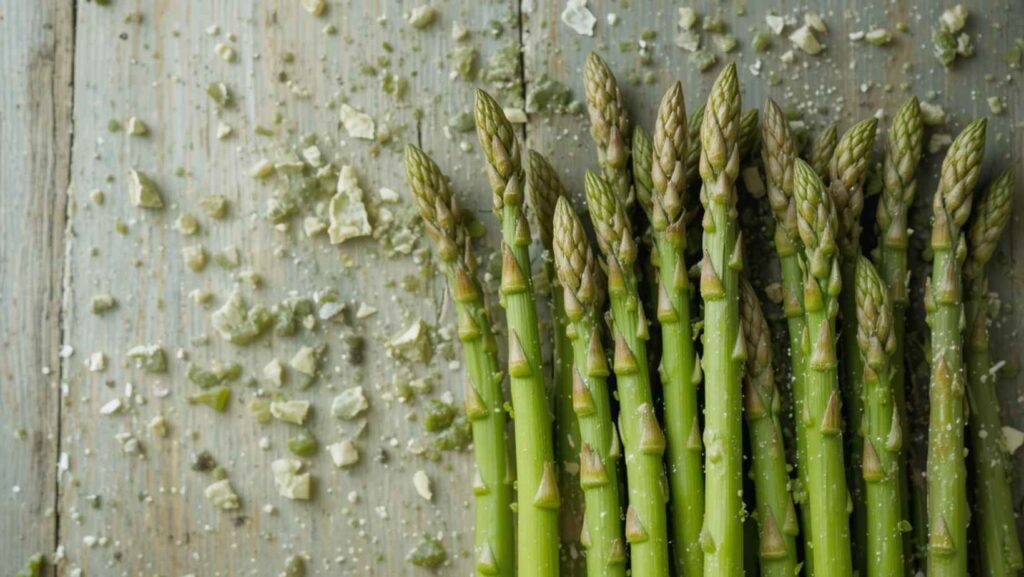
Would you like to know if asparagus is good for pregnancy nutrition? Based on my own experience, I can confirm that asparagus is an excellent source of nourishment during pregnancy.
In particular, the folate content of asparagus is essential for the growth of the fetus and the prevention of birth abnormalities.
Additionally, it is a source of Fiber and vitamins A, C, E, and K, all of which are beneficial for both the mother and the infant.
When consumed in a single serving, asparagus supplies one-third of the folic acid that the typical individual needs daily.
Folate supplements are recommended as part of prenatal care, as this vitamin is crucial for the development of a healthy life throughout pregnancy.
Anemia, tingling in the hands and feet, and even birth deformities can all be avoided with the aid of folic acid.
However, that is not all; as you continue reading, I will provide you with further information on the topic matter.
Now, let’s get started.
Eating Asparagus Safe During Pregnancy and Breastfeeding
There is no middle ground when it comes to asparagus, whether you like it or not. This vegetable isn’t for everyone due to its woody stem, small, strange head, and (to put it bluntly) strong taste.
However, is it acceptable for you to sauté a fresh bundle of asparagus for supper if that’s your thing and you’re pregnant? Indeed! What if you’re nursing a baby? Yes, and so too!
Fans of asparagus may relax knowing that they don’t have to give up their favorite vegetable when pregnant or nursing.
However, before embracing this unusual — yet healthy — choice, there are a few things to consider.
Asparagus belongs to the lily family of flowering plants, which also includes garlic, onions, and leeks.
Depending on the kind, its shoots, also known as stalks, can be green, white, or purple. We often consume them as a vegetable.
Asparagus is a spring vegetable that is often available in the United States from April to July, depending on where you live. This is why you frequently find it on Easter buffet tables.
The only difference is that asparagus is in season in the spring, which makes it the most affordable and accessible at your neighborhood grocery store.
That doesn’t mean you can’t purchase asparagus at other times of the year.
Eating asparagus while pregnant or nursing is completely safe.
Is asparagus good for a pregnant woman
During the first several months of pregnancy, folate is crucial for growth and development. The brain and spine of a newborn are developing at this time.
Foods that contain folate include spinach, asparagus, and broccoli.
Reasons to Eat Asparagus During Pregnancy:
Folate Folate, also known as vitamin B-9, is found in large quantities in asparagus and is essential for the growth of the baby’s spine and brain.
Spina bifida and other neural tube abnormalities can be avoided by taking enough folate throughout pregnancy.
Additional Minerals and Vitamins: Asparagus contains vitamins A, C, E, and K, all of which are beneficial for general health during pregnancy.
Fiber: Asparagus’s high fiber content aids digestion and may help prevent constipation, a common pregnancy complication.
Rich in Nutrients:
As a helpful addition to a pregnant woman’s diet, asparagus is a valuable source of essential nutrients.
Crucial Points to Remember:
Moderation: Although eating asparagus is generally safe, it’s always a good idea to follow a balanced diet and avoid consuming excessive amounts of any one food.
Speak with a Medical Professional:
It is always advisable to consult with your healthcare physician or a qualified dietitian if you have any questions or special dietary requirements during pregnancy.
What are the Nutritional Benefits Of Asparagus In Pregnancy
Nutrient-rich asparagus is a fantastic prenatal food. Eating asparagus during pregnancy offers several nutritional benefits.
It is a low-calorie, low-fat vegetable rich in minerals and vitamins B and E. Due to its vitamin B9 and folate content, asparagus helps prevent spina bifida.
However, the vegetable’s vitamin C concentration may increase immunity and reduce the risk of infection.
Fresh or boiled asparagus provides 44.6 mcg of vitamin K per 100g, meeting half of a pregnant woman’s daily needs.
Regularly eating vitamin K-rich asparagus may improve blood coagulation. Mothers and babies with vitamin K insufficiency have lower prothrombin levels and bleeding problems.
Adequate vitamin K consumption during pregnancy may reduce hemorrhagic problems.
It contains insoluble Fiber that bulks stool and prevents constipation. However, its soluble Fiber may help pregnant people manage gestational diabetes.
Low sodium, high potassium. Its 92% water content makes it one of the most hydrating vegetables.
It has less calcium.
Calcium from this plant can help babies build strong teeth and bones when consumed as part of a balanced diet.
Asparagus diuretics detoxify (10). You’ll eliminate all toxins and cleanse your digestive system, enhancing digestion and metabolism.
Officinalis may reduce gestational diabetes risk by stabilizing blood sugar levels. Studies show its extracts lower blood glucose and boost insulin secretion.
Although hypolipidemic, it can lower LDL cholesterol and raise HDL cholesterol. Thus, it may promote heart health and prevent weight gain during pregnancy.
Its antibacterial and antifungal activities may prevent common illnesses.
It modulates important biological processes to fight cancer. This may help sustain long-term immunological function, which is essential during and after pregnancy.
Asparagus is also renowned for its high antioxidant content. Many bioactive components, including glutathione (GSH), aid the body in eliminating toxic chemicals.
Thus, incorporating it into your pregnancy diet can enhance maternal and fetal health.
What are some precautions that pregnant women should take when consuming asparagus
Women who are pregnant must ensure that the asparagus has been carefully cleaned to remove any potentially harmful germs or chemicals.
The reason for this is that consuming raw, unwashed vegetables while pregnant opens you up to the risk of contracting a foodborne infection.
Before consuming asparagus, it is necessary to either thoroughly wash it or cook it properly.
How much asparagus should pregnant women eat per day
There is no predetermined restriction on the amount of asparagus that can be consumed daily.
Consuming asparagus during pregnancy can help supplement your diet with the necessary amount of folic acid.
As a result, you could take into account the amount of folic acid that the vegetable contains to establish a safe limit.
Consuming four spears of cooked asparagus offers around 85 micrograms of dietary folate equivalent.
During pregnancy, the recommended daily allowance (RDA) for folic acid might change depending on the stage of pregnancy.
Generally speaking, the recommended daily allowance (RDA) for folate in the diet for pregnant women is 600 micrograms (mcg).
Final thought
Now that we have established that asparagus is beneficial for pregnancy, nutrition, Fiber, folic acid, and important vitamins are just a few of the essential elements found in this nutrient-rich vegetable.
Consuming asparagus consistently throughout pregnancy, as part of a well-balanced diet, can be beneficial for the growth of the fetus and the mother’s overall health.
Additionally, it can help prevent constipation and other digestive issues, contributing to an overall improvement in health.
Additionally, to reduce the likelihood of contracting diseases such as listeriosis, it is essential to properly wash asparagus before consuming it.
Keep in mind that ingesting asparagus while pregnant is safe as long as you are under the supervision of a medical professional.