
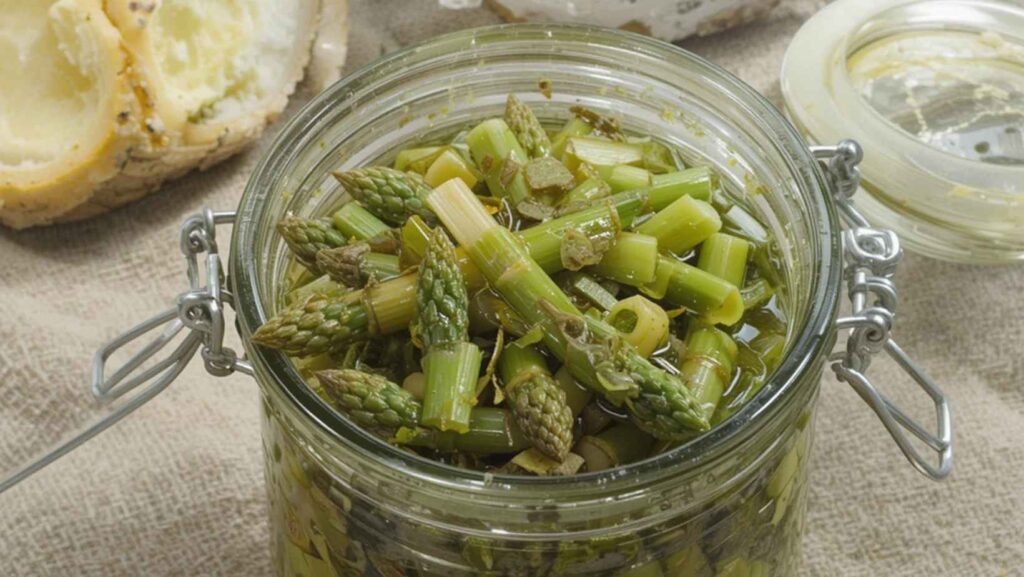
Would you like to know how to pickle asparagus for a long shelf life? Using a water bath canning method with a boiling hot pickling brine, maintaining a proper seal, and
Processing the jars for ten minutes is the best way to pickle asparagus for a long shelf life, according to my personal experience.
Using this process, a product is produced that is shelf-stable and has the potential to survive for up to a year if stored correctly.
However, that is not all; as you continue reading, I will provide you with further information on the topic matter.
Now, let’s get started.
How to Make Pickled Asparagus
I’d like to briefly explain the pickling technique we’re using here, in case you’ve never made pickled vegetables at home.
This method, known as fast pickling, involves soaking the asparagus in an acidic brine as opposed to fermenting it with salt.
Additionally, we won’t be canning the pickles, so you’ll need to keep them refrigerated. They should last for around two weeks, but if you’re like me, you’ll eat them up much sooner.
This is how you will create them:
Prepare the asparagus first. Cut off any rough, woody ends first. The delicate asparagus stalks should then be sliced into segments that fit vertically in your canning jars.
Peel and cut the garlic in half, then slice the shallot finely.
Put the dill, garlic, shallot, and asparagus in your jar or jars. Although standard Mason jars or a large quart jar will also work well, I prefer to use these 11.5-ounce jars.
Keep in mind that the size of your jars will determine the amount of brine you need.
The liquid should then be ready for pickling. Mix the vinegar, water, sugar, and salt in a medium saucepan over medium heat. Stir to dissolve the sugar and salt.
Ensure the veggies are well-soaked in the boiling brine before adding the peppercorns. Let cool till at room temperature.
Lastly, cover and relax. Place the pickles in the refrigerator once they have cooled. The next day, they will be ready to eat.
How do you prolong the shelf life of asparagus
When asparagus is prepared the day it is purchased, it tastes its finest. Store them the same way you would cut flowers if it isn’t on the cards:
After trimming the bottoms, place the spears upright in a glass or jar filled with approximately one inch of water. Store them in the refrigerator for up to four days after covering them with a plastic bag.
More thorough examination:
Benefits of nutrition:
Vitamins A, C, K, and B6, as well as minerals like calcium, zinc, and magnesium, are all found in asparagus.
Additionally, probiotics—beneficial microorganisms that support gastrointestinal health—can be introduced through pickling.
Pickling method: In the pickling process, asparagus is preserved in a brine solution that contains salt, vinegar, and occasionally sugar or other spices.
Possible disadvantages:
Although the pickling process can provide probiotics, not everyone can benefit from the higher sodium and sugar content, especially those with health issues that require limiting sugar or salt intake.
The key is moderation:
In moderation, pickled asparagus can be a nutritious snack or meal supplement, but it’s crucial to consider its entire nutritional profile and adjust portion sizes accordingly.
In conclusion, pickled asparagus can be a tasty and nourishing addition to a well-balanced diet, offering benefits such as improved intestinal health and a source of fiber.
However, eat the pickling brine in moderation and be aware of its salt and sugar levels.
Is pickled asparagus still good for you
Yes, even with the extra salt and possible added sugar, pickled asparagus can still be a nutritious snack option.
Asparagus is a wonderful source of fiber, vitamins, and antioxidants, and the pickling brine can add healthy probiotics; however, the pickling procedure may slightly alter the nutritional profile.
Advantages of Asparagus Pickling:
Probiotics and fiber: The fiber and probiotics in pickled asparagus, particularly when fermented, can support intestinal health.
Antioxidants: Naturally occurring in asparagus, these compounds are beneficial for your overall health.
Vitamins: Vitamins A, C, and K may be found in abundance in asparagus.
Low Calorie: Generally, pickled asparagus has few calories.
Possible Negative Effects:
Sodium: Individuals managing their sodium intake may be concerned about the frequent salt content of the pickling brine.
Sugar: The brine of certain pickled asparagus recipes may contain sugar.
Nutrient Loss: Certain heat-sensitive vitamins may be lost during the heating or canning process, even if the asparagus is preserved by pickling.
As a whole:
In addition to their delicious flavor, pickled asparagus is a great source of good bacteria for our digestive systems.
The naturally beneficial bacteria in the vegetable may thrive and multiply while the harmful bacteria are kept at bay by the salty brine.
Is there sugar in pickled asparagus
Yes, sugar is often used in many pickled asparagus recipes. To counteract the vinegar’s acidity and enhance the overall flavor of the pickling brine, sugar is frequently added.
Even though some pickled asparagus items might say they have “no sugar added” or are “sugar-free,” many handmade and store-bought varieties do include sugar.
Here are several reasons sugar is frequently added to pickles and how it impacts the finished product:
Taste: To counterbalance the vinegar’s acidity and make the pickled asparagus more appetizing, sugar is added.
Preservation: Since sugar can inhibit the growth of some bacteria in the brine, it can also aid in conservation.
Texture: During the pickling process, sugar might help make the asparagus softer.
In conclusion, sugar is a crucial component for flavor and preservation in many recipes and commercially available pickled asparagus items, even if some may not have it.
How long will pickled asparagus last
When properly preserved in a can, pickled asparagus has the potential to remain on the market for approximately 12 to 18 months.
If it is to be consumed within a few weeks after opening, it should be stored in the refrigerator.
Asparagus that has been “quick pickled” (as opposed to canned) may be stored in the refrigerator for approximately two weeks.
An even more in-depth analysis is as follows:
Crispy pickled asparagus in a can:
The shelf life of the product is between 12 and 18 months, provided it is stored unsealed and in a properly canned condition.
Asparagus can be stored in the refrigerator for several weeks after opening, provided it remains immersed in the pickling liquid.
Refrigerated asparagus that has been pickled in a hurry:
Refrigerated for two weeks.
Final thought
Now that we have established how to pickle asparagus for a long shelf life when storing your asparagus spears, the ideal jars will be tall and have straight sides.
I store my spices in wide-mouth jars with a capacity of 24 ounces, and I divide them up into jelly jars with a capacity of 12 ounces for gift-giving.
Even while you may use old canning lids and rings to cover pickles in the refrigerator, I find that the vinegar has a tendency to corrode the metal over time, which is why I prefer to use plastic storage lids.
Although blanching is called for in several pickled asparagus recipes, this method is actually a leftover from the freezing processes.
The crunchiness of raw asparagus spears is maintained even after the pickles have been sitting for several weeks.
On the other hand, you will lose the color; if you want spears that are vibrant green and purple, consider pickling them.