
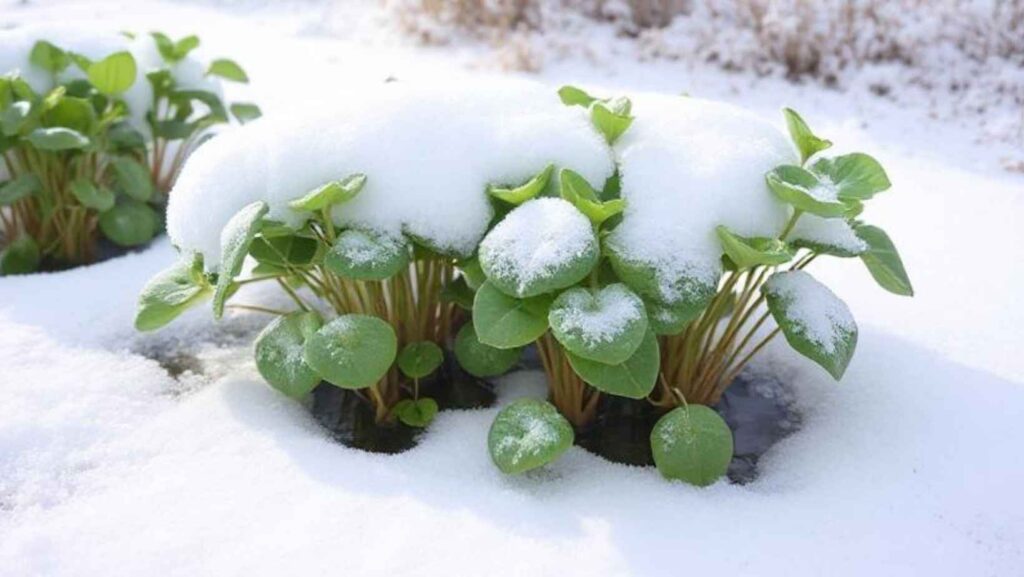
Would you want to know how often to water snow peas? In my experience, snow peas should be watered on a regular basis throughout their growing season, but they should not be overwatered.
The frequency of watering depends on the type of soil, the weather conditions, and the size of the plant;
However, in general, you should strive to keep the soil consistently moist without allowing it to become soggy.
However, this is not all; as you continue reading, I will educate you further on the subject matter.
Now, let’s get started
Does snow pea need water
Snow peas indeed enjoy water, and it is essential to ensure that their soil remains continuously moist without becoming soggy.
It is essential to water snow peas on a consistent basis throughout the growth season since they flourish when they are provided with sufficient moisture.
Snow peas are normally well-watered plants.
In order to provide a more in-depth explanation:
Consistent moisture:
For optimal growth, snow peas require soil that is continually wet, yet plants are susceptible to both overwatering and underwatering.
Make sure that the soil is damp but not drenched in water.
During the growing season, snow peas should be watered on a consistent basis. T
he frequency of watering will be determined by characteristics such as the climate, the kind of soil, and the amount of sunshine exposure.
The addition of mulch around the base of the plants can assist in the retention of moisture in the soil.
Also known as mulch.
It is important to avoid overwatering because this can cause root rot; thus, it is important to ensure that the soil drains adequately.
When you feel that the surface of the soil is dry to the touch, water it well.
How long do snow peas take to grow
In general, it takes snow peas around ten weeks to mature until they are ready to be harvested.
When the pods are young, sensitive, and flat, which is typically around ten days after flowering, the plants can be harvested.
The flowers may begin to bloom approximately eight weeks after planting, depending on conditions such as the amount of sunlight and temperature.
How much water do peas need a day
The pea plant requires around half an inch of water on a daily basis, particularly as it begins to produce blooms and pods.
When the weather is hot and dry, you might have to water them every day. However, when the weather is colder and rainier, their watering requirements might decrease.
Mature plants may require just approximately a half inch of water each week once they have established themselves on the soil.
An even more in-depth analysis is as follows:
Young plant life:
Strive to maintain soil that is regularly wet, but avoid overwatering it.
Flowering and podding: Peas require a greater amount of water at this stage, and on days when the weather is particularly hot, they may need daily watering.
While mature plants have a lower water requirement once they have established themselves, it is still important to keep an eye on the moisture content of the soil, particularly during dry months.
During the growth season, peas should be watered to a depth of at least one inch each week. Peas need soil that drains well and should be watered to a depth of at least one inch.
Gardening in pots: Due to the fact that they dry out more quickly, peas grown in containers may require more regular watering.
The act of watering. When they begin to produce blooms and pods, peas require a significant amount of water, and they may absorb almost half an inch of water every day.
You may need to water your peas every day as they begin to bloom if you live in a hot spring climate.
Do snow peas need a lot of sun
Light, water, and soil In spite of the fact that snow peas are grown throughout the fall and winter months (thus the name snow peas), they still require a significant amount of sunlight on a daily basis.
Both full and partial shade will not be conducive to their growth.
Snow peas require soil that is rich in nutrients and is loose, with a high concentration of phosphate and potassium. They do not require nitrogen, which they obtain from the air.
The following is a more in-depth comparison: Full Sun:
Snow peas are most successful when grown in areas that are exposed to full sunshine and where they are able to get a sufficient quantity of sunlight throughout the day.
Light Afternoon shadow: In situations where the temperature is really high, providing the plants with some light afternoon shadow will help keep them from being stressed.
The bare minimum As long as they receive at least four hours of sunshine each day, snow peas can still be grown, even if full sun is the optimal situation.
You should select a spot in your garden that is somewhat shielded from strong winds and receives at least four hours of sunshine, ideally more. This is the ideal site for your plant.
Where’s the Best Place to Grow Peas
I was excited to give the raised beds a try when we initially started our kitchen garden in Houston.
Near the bamboo trellises at the rear of the beds, I planted peas and filled them with lettuce seeds.
The peas appeared stunted, growing just one inch or two per week, but the lettuce plants flourished throughout the following weeks.
I was certain that my soil was rich in organic matter and good condition. I was aware that the pea seeds were from a reputable supplier.
One reason remained: the absence of sunlight. The peas were planted in the back of the beds, which were positioned between the neighbor’s tree and our fence.
It was the first spot to be shadowed in the afternoon and the last one to get sunlight in the morning.
From me and my dejected tiny pea plants, take it: For optimal growth, peas require 8 to 10 hours of sunshine on as many of their leaves as feasible.
Peas only require loose sandy loam soil with enough drainage and a sunny location.
Peas may be grown in the ground after modifying your topsoil with compost and coarse sand, but I like to plant them on raised beds.
Final thought
Now that we have established how often to water snow peas, Snow peas are vegetables that are grown during the chilly season.
They are available in two different forms: tall (indeterminate) and dwarf (determinate), and they grow very quickly either way.
Tall forms are vines that may reach heights of up to two meters and require support from stakes, although dwarf forms often do not need a trellis if they are grown properly.
It is best to pluck the pods when they are still young and fragile before the peas (the seeds that are contained within the pod) begin to expand.
They are wonderfully sweet and may be eaten raw, pod and all, straight from the vine. They can be consumed by themselves.