
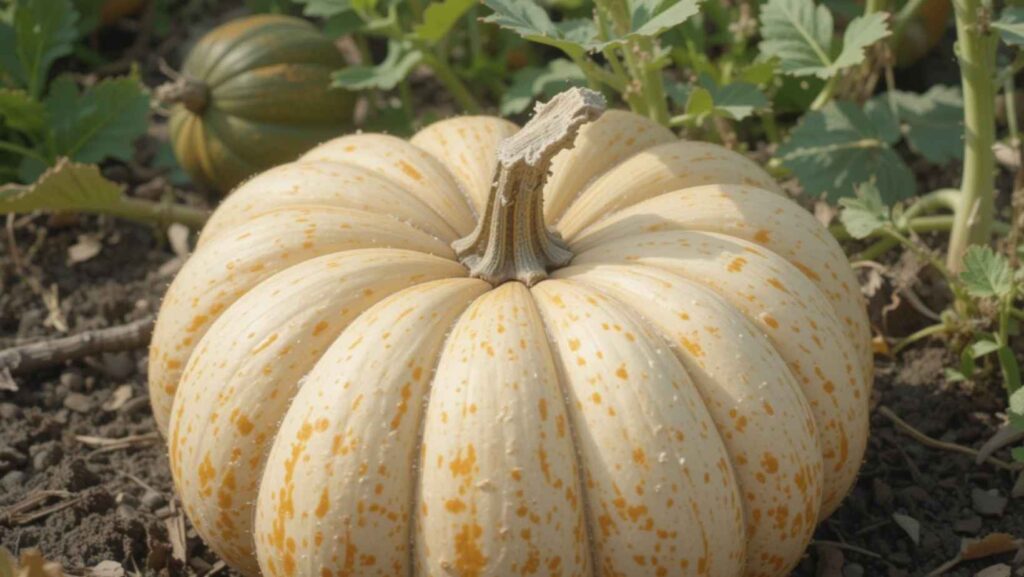
Would you want to know how much sun pumpkins need? Through my own experience, I have found that pumpkins demand a significant amount of sunlight, typically requiring at least six hours of direct sunlight each day.
Because of this, they are able to flourish and provide a high-quality harvest.
However, that is not all; as you continue reading, I will provide you with further information on the topic matter.
Now, let’s get started.
What is the Ideal Sunlight Conditions for Field pumpkins
There is a requirement for full sun since field pumpkins are sun-loving plants that thrive in settings where they are exposed to full sun.
They must receive at least six to eight hours of direct sunshine on a daily basis.
Their ability to efficiently photosynthesize is made possible by the abundant sunshine they get, which in turn ensures vigorous development and abundant pumpkin output.
Needed Number of Hours of Sunlight:
Field pumpkins need to be exposed to direct sunshine for a least six hours every day in order to achieve their full potential.
Therefore, in order to optimize their development potential and increase the amount of fruit they produce, plants need to get up to eight to ten hours of sunlight.
Having consistent exposure to sunshine is another factor that contributes to the development of the very deep orange hue of field pumpkins.
Negative Effects of Insufficient Sunlight The growth of field pumpkins can be greatly hampered by a lack of sunlight.
Yellowing of the leaves lengthened stalks, and smaller fruits are all indications that the plant is not receiving enough sunshine.
A decrease in the amount of light that the plant is exposed to can also make it more susceptible to illnesses and pests.
It is essential to ensure that your Field pumpkins receive sufficient sunlight in order to have a balanced and fruitful crop.
Choosing the Right Location for Field Pumpkins
Identifying the Best Location in Your Garden When selecting a location for your field pumpkins, it is important to seek places that are exposed to the greatest sunshine throughout the daylight hours. The optimal site receives sunlight from early till afternoon, which will provide the required six to eight hours of direct light a day.
If you want to minimize the amount of sunlight that they receive, you should avoid situating them near tall structures or trees that might produce shadows.
Keeping away from shady areas:
The capacity of field pumpkins to efficiently photosynthesize is hindered in shady regions of the garden, which makes these gardens less suitable for growing field pumpkins.
It’s possible that areas that are close to buildings or have branches that dangle over the ground won’t get enough sunshine.
In the event that there is no other option, you could choose to have trees or bushes pruned back in order to make more light available to the plants.
Applying Mulches That Reflect Light:
When it comes to increasing the amount of sunshine that your field pumpkins receive, reflective mulches may be a game-changer.
Plastic mulches that are silver or white can reflect extra light onto the plants, which speeds up the process of photosynthesis.
Additionally, they contribute to the preservation of warm and wet soil, which results in improved circumstances for the growth of pumpkins.
Ways of Adjusting Sunlight Exposure for Field Pumpkins
Adjustments for the Seasons: As the seasons change, so should your gardening methods. Since the patterns of sunlight alter with the seasons.
If you want to protect your Field pumpkins from scorching during the height of summer, you should make sure they are exposed to sunshine in the morning and some shade during the warmest portion of the afternoon.
During the spring and fall seasons, to get the most out of the sun, make sure that they are exposed to light during the brighter portions of the day.
Making Use of Shade Cloths:
When it comes to regulating the quantity of sunshine that field pumpkins receive, shade cloths may be an effective technique, particularly on days that produce unusually high temperatures.
Utilizing these cloths, excessive sunlight may be filtered out, hence lowering the likelihood of leaf burn and contributing to the maintenance of ideal growth conditions.
Choose a material that is not only lightweight and breathable but also enables some light to get through while protecting the plants from the harsh sun.
Controlling the Intensity of the Light:
In order to ensure proper growth of field pumpkins, it is essential to regulate the light intensity.
It is recommended that you make use of row covers or shade structures in order to control the light intensity in your garden if it is situated in an excessively bright area, particularly during the middle of summer.
Furthermore, this helps to prevent heat stress and guarantees that the plants are able to photosynthesize without being harmed by an excessive amount of sunlight.
Can Field Pumpkins Get Too Much Sun
Indices of Excessive Exposure Despite the fact that field pumpkins adore the sun, excessive exposure can be harmful to their health.
Leaf burn, a loss of leaf color, and wilting are all indications that your plant is receiving an excessive amount of sunlight.
The monitoring of these signals will assist you in taking the necessary steps to keep your plants from being exposed to an excessive amount of sunlight.
To Avoid Getting a Sunburn:
If you want to protect your field pumpkins from becoming sunburned, especially during the hottest months of the summer, you might think about using shade cloths or row coverings.
This will assist in filtering the light and lowering the likelihood of harm occurring.
In addition, making sure that your plants receive adequate watering might assist them in withstanding exposure to greater temperatures and harsh sunshine.
The Most Effective Methods for Sunny Regions:
If you live in an area that receives a lot of sunlight, growing field pumpkins in areas where they may receive some afternoon shade can help prevent them from becoming overexposed.
Alternative methods of protecting your plants include the utilization of heat-resistant types and the application of mulches to maintain a cool soil temperature.
As long as you follow these procedures, your field pumpkins will be able to survive even in excessively sunny settings.
How to Maximize Sunlight for Indoor Field Pumpkins
The use of grow lights is necessary for increasing field pumpkins indoors since they require a certain amount of light, which may be supplied with grow lights.
Opt for light-emitting diode (LED) or fluorescent lights that offer a whole spectrum of light, emulating the appearance of natural sunshine.
To ensure that your pumpkins receive the appropriate amount of light, adjust these lights so that they are positioned around 12-18 inches (30-45 cm) above the plants and leave them on for approximately 14-16 hours each day.
Putting Plants in Close Proximity to Windows:
When cultivating field pumpkins indoors, it is best to position them next to windows that face south or west, as this will allow them to receive the maximum amount of sunshine throughout the day.
It is important to rotate the plants on a regular basis so that all sides receive the same amount of light exposure, which will promote even development.
Ensuring an Adequate Light Spectrum: It is essential to use grow lights that provide a broad spectrum when cultivating field pumpkins inside.
Consequently, the lights have to offer a harmonious combination of blue and red wavelengths in order to facilitate the development of both vegetative and blooming growth.
You should monitor the light intensity on a regular basis to make sure that your pumpkins are not underlit and are not exposed to an excessive amount of daylight.
Final thought
Now that we have established how much sun pumpkins need, A fungal disease known as powdery mildew can harm pumpkins.
This disease is characterized by the presence of white powdery marks on the leaves of the plant and, in extreme cases, can inhibit the growth of the plant.
When watering, make sure to avoid soaking the leaves. As soon as you see any leaves that have been harmed, could you remove them and dispose of them?
Fruits can fail to grow or fall off the plant while they are still young when the weather is chilly.
It is because the flowers were not pollinated that this occurred. It is typical for the issue to be resolved as the temperature begins to rise.