
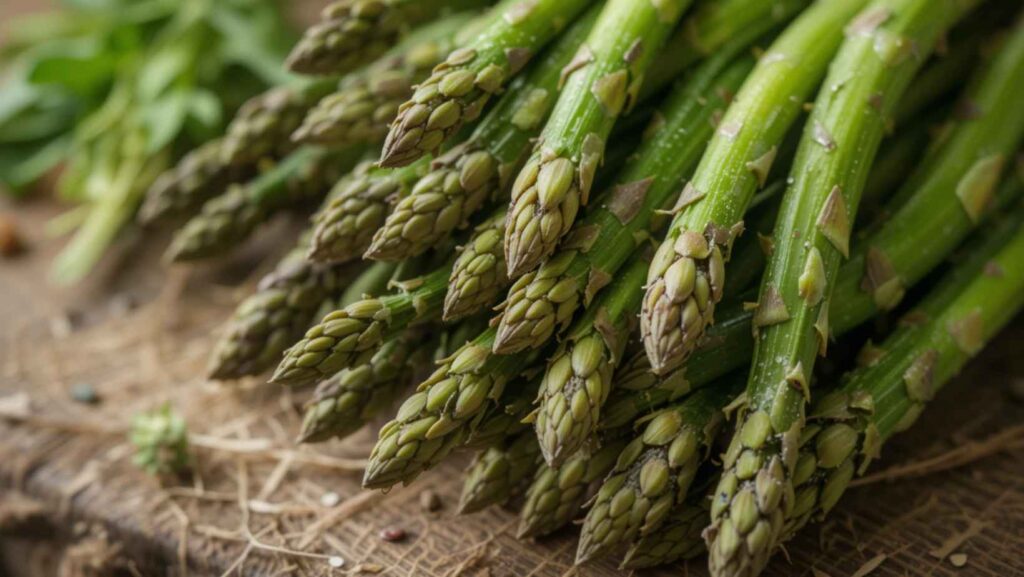
Would you want to know How asparagus affects blood sugar levels? My experience has shown me that asparagus is typically regarded as a healthy vegetable for those with diabetes and those who are controlling their blood sugar levels.
Because of its low glycemic index and low carbohydrate content, it doesn’t quickly raise blood sugar levels. Asparagus extract may even aid in better blood sugar regulation and insulin synthesis.
When it comes to glucose index, asparagus is in the low range, with a score of 15.
For those who want to control their blood sugar levels and prevent unexpected surges, asparagus is a fantastic snack.
However, that’s not all; I’ll provide you with more information on the topic as you continue reading.
Now, let’s get started
Does asparagus affect blood sugar
So, the answer is yes, asparagus products can reduce blood sugar and raise insulin levels in diabetes rats. They do this by decreasing glucose, cholesterol, and oxidative damage and raising antioxidant activity.
There needs to be more study to find the exact compounds in asparagus that cause these health benefits, especially in people.
Some people think that asparagus is good for people with diabetes for the following reasons:
Low Glycemic Index (GI): Asparagus takes a while to raise blood sugar because it has a low glycemic index (approximately 15).
Fiber Content: A good source of fiber, asparagus helps improve blood sugar regulation by slowing down the absorption of glucose into the circulation.
Rich in Nutrients: Vitamins, minerals, and antioxidants are all found in asparagus and are useful for managing diabetes as well as general health.
Possible Advantages for Insulin Production: Asparagus extract may help increase insulin sensitivity and production, which is beneficial for individuals with diabetes.
In conclusion, asparagus is a healthy food that can be part of a well-balanced diet and is safe for people with diabetes.
Does asparagus have a lot of sugar
Indeed. Asparagus is composed of about 92% water, 2.4% protein, and 0.2% fat (total lipids) when measured in terms of its weight.
The great majority of asparagus is water, which is over 92%. The overall amount of carbs is 4.1%. However, only 2% of it is comprised of fiber, and just 1.3% is comprised of simple sugars.
Continue reading to learn more about the various properties that this multipurpose vegetable possesses.
Breakdown in great detail:
Low in total sugar content:
Asparagus is a low-sugar food because it contains less sugar than some other fruits and vegetables.
While asparagus does naturally contain sugars, unlike many processed foods, it does not include any added sugars.
This makes it a source of added sugars that is not very important.
Also, asparagus has a lot of fiber, which can maintain your blood sugar in check and improve the health of your gut system.
Can people with diabetes eat asparagus
Due to its low glycemic index, asparagus is often regarded as a healthy choice for individuals with diabetes.
Foods with a low glycemic index help people with diabetes because they raise blood sugar levels more slowly.
For individualized nutritional and medical advice, always consult your healthcare professional.
The benefits of asparagus for diabetics
Minimal in carbohydrate:
Although it contains a small quantity of carbs per serving, asparagus is a decent source of them.
High in fiber: Fiber slows the intake of sugar by the body, which helps keep blood sugar levels in check.
Very high in nutrients and vitamins: Eating asparagus is beneficial for your health because it contains necessary nutrients such as vitamin K, vitamin A, and folate.
Because it has a low glycemic index, asparagus is a good choice for people with diabetes, as it doesn’t rapidly raise blood sugar levels.
May enhance insulin production: Asparagus extract may help regulate blood sugar levels and support insulin production.
How to include asparagus in a diet for people with diabetes:
Consume it as part of a well-rounded meal: Add lean protein, healthy fats, and other non-starchy vegetables to asparagus.
Prepare it in some ways: You can bake, steam, boil, or grill asparagus.
Add it to several recipes: Asparagus pairs well with stir-fries, soups, stews, and salads.
What are The Benefits of Asparagus for sugar level
Because it has a low glycemic index and can help regulate blood sugar levels, asparagus is especially beneficial for individuals with diabetes.
It also helps keep your heart healthy and can aid in weight control.
Blood Sugar: Asparagus is known to help people with diabetes manage their blood sugar levels very well. It has B vitamins, which help your body turn carbs and sugar into energy.
This helps keep blood sugar levels steady more than anything else.
Low Glycemic Index: Asparagus has a low glycemic index (GI), making it an excellent food choice for individuals with diabetes.
It lowers the risk of blood sugar spikes since it is a non-starchy vegetable that has a minimal impact on blood sugar levels.
Supporting Heart Health: Including asparagus in a diabetic’s diet helps promote both blood sugar control and heart health.
As an antioxidant, it helps lower reactive stress, which is crucial for maintaining heart health.
How to Incorporating Asparagus Into a Diabetic Diet
For individuals with diabetes, asparagus offers several benefits, including improving insulin function and supporting glycemic management.
When cooked properly, this non-starchy vegetable may add taste to a diabetic diet.
Recipe Suggestions for People with Diabetes
Asparagus may be a tasty and nourishing addition to a diabetic-friendly diet. Take a look at these recipe possibilities:
Simple and quick, sauté asparagus stalks in olive oil with chopped garlic until they are crisp and delicious.
Add little lemon juice and black pepper to give it extra taste.
To achieve a slightly caramelized texture, roast the asparagus for 15 minutes at 425°F after tossing it with olive oil.
Cooking Advice for Asparagus
The following advice may help you optimize taste while considering your health:
Asparagus selection: Choose fresh, firm spears with closed tips. While larger spears may be more suitable for grilling or roasting, thinner spears are usually more tender and work well for sautéing or stir-frying.
Before cooking, wash the asparagus and cut off the tough lower ends.
Methods of Cooking: A variety of cooking techniques, including grilling, roasting, and steaming, are great ways to prepare asparagus. Every technique highlights distinct tastes and textures.
Controlling Portion Size and Preparation. Portion management is crucial when including asparagus in a diabetic diet:
A good estimate for how much-cooked asparagus to eat is 1/2 to 1 cup, which is a low-carb amount.
Suitable Vegetable Complements: To create a nutrient-dense, low-carb dinner, pair asparagus with other non-starchy vegetables such as lettuce, arugula, kale, cauliflower, and broccoli.
Steer clear of combining with sweet vegetable juices or high-carbohydrate veggies like maize, peas, and butternut squash.
Final thought
Now that we have established how asparagus affects blood sugar levels, consuming asparagus is a fantastic option for individuals interested in maintaining healthy blood sugar levels and overall well-being.
Due to its low glycemic index and good nutritional value, it is suitable for various dietary needs, including those of individuals with diabetes.
Incorporating asparagus and other vegetables of a similar kind into your diet allows you to reap several health advantages while simultaneously maintaining control of your blood sugar levels.