
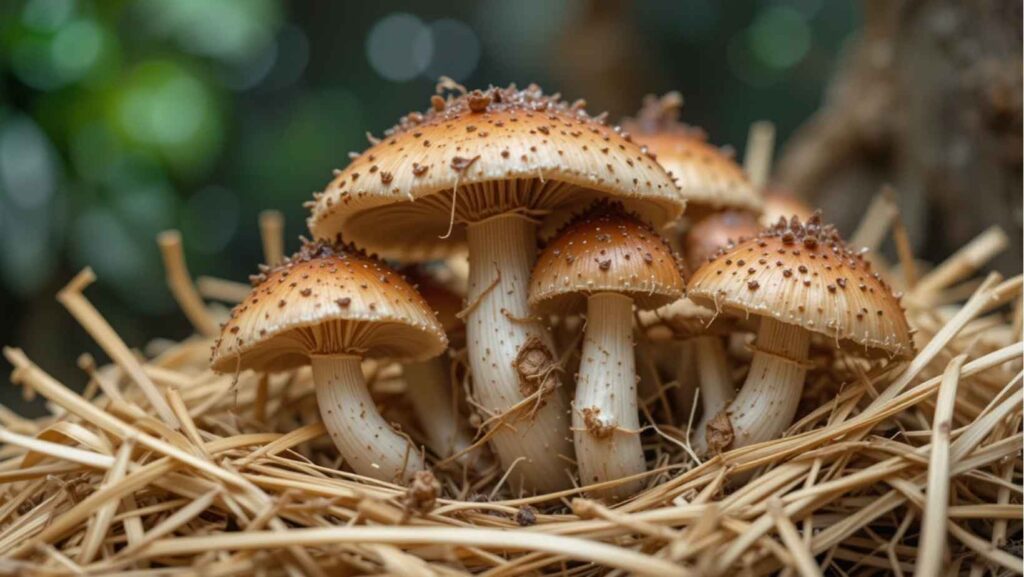
Would you like to discover how much protein shiitake mushrooms contain?
Shiitake mushrooms are low in calories, fat, and protein and high in fiber. They are brimming with more difficult-to-find plant-based nutrients, such as zinc, choline, vitamin D, and B vitamins.
Asian cuisine frequently uses shiitake mushrooms (Lentinula edodes) as a savory component. Shiitake mushrooms are low in calories, fat, and protein and high in fiber.
They are brimming with more difficult-to-find plant-based nutrients, such as zinc, choline, vitamin D, and B vitamins. There is some protein in shiitake mushrooms (2.3 grams per cup cooked).
All of the necessary amino acids are present despite their small amount of this macronutrient.
In addition to having a substantial number of complex carbohydrates known as polysaccharides, mushrooms provide nearly as much protein as veal.
Lentinus edodes, sometimes known as shiitake, is one of the most valuable mushrooms in terms of flavor and nutrients.
Shiitake’s proteins are made up of eighteen different types of amino acids, seven of which are required in a proportion that is comparable to what is considered the “ideal protein” for humans.
Shiitake is particularly high in leucine and lysine among these amino acids, which are lacking in many cereals.
Shiitake mushrooms
About 2.2 grams of protein are included in every 3.5 ounces (100 grams) of these mushrooms.
They also contain significant levels of selenium, copper, and B vitamins.
Portobello mushrooms: About 2.1 grams of protein are included in every 3.5 ounces (100 grams) of these mushrooms.
They are also an excellent source of phosphate, potassium, and fiber.
Which type of mushroom contains the most protein
Numerous health advantages of mushrooms have been demonstrated.
Mushrooms contain potassium, which lowers blood pressure.
Because of its anti-inflammatory properties, mushrooms support a stronger immune system.
Certain varieties of mushrooms, such as porcini and white button mushrooms, include antioxidants that can prevent cell damage and enhance brain function.
It is possible to raise the vitamin D content of certain mushrooms artificially.
If not, you can get Vitamin D from wild mushrooms naturally, but you have to be careful which ones you choose since some of them might be dangerous.
Mushrooms’ Protein
According to the USDA Guidelines, protein should make up 10–35% of your calories.
In light of this, every one of the healthiest mushrooms on this list satisfies the minimal requirement, and a handful even surpasses it.
When it comes to protein content per calorie, white mushrooms are the highest protein-dense kind, whereas oyster mushrooms have the highest protein content per weight.
The kind of mushroom and the amount of water it contains determine how much protein it contains.
When cooked, the most popular kind of mushrooms have an average of 2-3 grams of protein per 100 grams.
However, the amount of protein in certain kinds could be a little bit more or lower.
Morel Fungi
The texture of morel mushrooms is significantly different.
They taste rather earthy, are spongy, and are rather distinctive.
Morel mushrooms vary in color from dark cream to light, but when choosing your mushrooms, go for the darker ones since they have a richer flavor.
Morel mushrooms are hard to come by since they must have foraged; you will need to look for specialist businesses that carry them or go to your neighborhood farmers market.
Which type of mushroom provides the most protein
As a distinctive and adaptable diet, mushrooms may provide both vegetarians and non-vegetarians with a healthy amount of protein.
Although they don’t have as much protein as foods like meat and dairy, mushrooms nevertheless provide a good quantity of protein and several other important minerals.
This post will discuss the protein content, health advantages, and role that mushrooms may play in a well-rounded diet.
A class of gilled mushrooms is called oyster mushrooms or Pleurotus species. Although officially classed as fungus rather than plants, mushrooms are a terrific supplement to any plant-based diet.
Pleurotus ostreatus, or P. ostreatus, is the common name for the American oyster mushroom and is one of over forty different varieties of oyster mushrooms.
Every kind is palatable and frequently used in meals like stir-fries and spaghetti (1Reliable Source).
They are renowned for their remarkable ability to promote health and are packed with potent ingredients.
In actuality, they have been utilized for millennia in conventional medical practices (1Trusted Source, 2Trusted Source).
Oyster mushrooms are rich in fiber, vitamins, minerals, and other essential components.
They are a fantastic option for those adhering to low-carb dietary habits because they are likewise low in carbs.
Which contains more protein, chicken or mushrooms
Although they don’t have as much protein as other animal items, mushrooms have two to three grams of protein for every 100 grams of fresh weight.
In contrast, each 100 grams of fresh weight of chicken breast has 31 grams of protein, lean beef contains 26 grams, and mutton contains 22 grams.
Potassium levels are high in both chicken and mushrooms.
Mushrooms contain more folate than chicken, while chicken has more vitamin B6 and vitamin B12.
One of the best sources of protein is chicken.
Compared to chicken, mushrooms have 61.2 times less saturated fat.
Compared to chicken, mushrooms have significantly less cholesterol.
Meats such as chicken and others offer full protein.
Legumes (beans and peas) combined with grains also offer full protein.
This indicates that all of the necessary amino acids—those that the body is unable to produce on its own—are provided by either choice.
In addition to having a great flavor, mushrooms also include certain vitamins, minerals, amino acids, and carbs.
The nutritional fiber content of mushrooms is higher than that of chicken breasts; 1g of dietary fiber is present in 100 grams of mushrooms, compared to negligible levels in chicken breasts.
Compared to mushrooms, which have 2 grams of sugar per 100 grams, chicken breasts have negligible levels of sugar.
Compared to chicken, mushrooms have substantially higher vitamin C.
Mushrooms are not quite as high in vitamin A as chickens.
Magnesium and vitamin C are both abundant in mushrooms. Mushrooms are an excellent source of zinc, potassium, vitamin B6, and thiamine.
A great source of riboflavin, niacin, pantothenic acid, phosphorus, and iron is mushrooms.
B6, zinc and phosphorus are all found in abundance in chickens. Niacin is abundant in chicken.
What’s higher in protein, chicken or nuts
20–25g of protein may be found in 65g of cattle, hog, or lamb or 80g of chicken.
Protein content from 30g of nuts, seeds, and nut/seed butter is about 10-15g.
Protein, potassium, and calories are all rich in chicken and peanuts.
Compared to peanuts, chicken has significantly less carbs.
Chickens have more vitamin B12, while peanuts have more niacin and folate.
Compared to chicken, peanuts have significantly less cholesterol.
A wonderful source of calcium is peanuts.
A great food source of dietary fiber is peanuts.
Nuts are a remarkably nourishing food. It also includes protein, carbohydrates, vitamins, minerals, and important fatty acids.
However, nuts are not a sufficient meat substitute.
It is high in calories and contains healthy fats in small amounts (10–20 nos), but it might not satisfy your hunger the way meat does.
When compared to meat, nuts provide a very small amount of protein.
Nuts are a tasty and high-protein snack or side dish.
Particularly for people who consume little to no animal products, they are a convenient and adaptable source of plant-based protein that can be consumed on the move.
Protein is needed for the development of bones, muscles, and skin, and eating nuts can help you get it.
Additionally, protein makes you feel fuller and keeps you feeling energized (1Trusted Source).
All nuts have some protein, although some have more than others.
This article examines eight high-protein nuts.
Can nuts provide me with adequate protein
A handful of nuts offers a substantial amount of protein and fiber.
The majority of this fat is heart-healthy unsaturated fat, even though they are heavy in calories and fat. But limit yourself to a few (30g) each day.
It’s not too difficult to have adequate protein without meat. I’ve been a vegan for a long time, and I’ve never had any issues with it.
I consume more protein than I need because I love tofu and consume a lot of beans and brown grains.
You may purchase powdered rice protein or pea protein if you lift weights, but these supplements are not necessary for the normal individual.
On the other hand, you will undoubtedly need to supplement your diet with vitamin B12 if you intend to go vegan. Plants won’t provide it to you. It is a result of bacteria.
It’s a good idea to take B12 pills even if you’re not becoming vegan, as many people don’t receive enough of the vitamin, and it may be harmful.
Undoubtedly, one of the healthiest snack options is nuts.
While they are high in calories, they are also a good source of plant protein and other essential nutrients.
Hemp seeds, pumpkin seeds, peanuts, almonds, pistachios, sunflower seeds, flax seeds, sesame seeds, chia seeds, cashews, and more are high-protein nuts and seeds.
Here is a list of 16 high-protein nuts and seeds.
See the longer list of less popular yet high-protein nuts and seeds for additional information.
Can nuts provide you with all the protein you need
Protein is needed for the development of bones, muscles, and skin, and eating nuts can help you get it.
Additionally, protein makes you feel fuller, which keeps you feeling content and energized ( 1 ). All nuts have some protein, although some have more than others.
Including a range of nuts and seeds in your meals is a wonderful way to make sure you’re getting adequate protein and other nutrients.
According to Kathleen Benson, RD, a professional registered dietitian with Top Nutrition Coaching, “nuts and seeds offer more than just protein.”
“Antioxidants, vitamins, and minerals are among the many micronutrients found in nuts and seeds. These nutrients support everything from skin health to the immune system.”
Nuts and seeds are more than simply tasty garnishes for salads.
Take a look at our list of 10 types of nuts and seeds, along with some delicious dishes you can create right now if you’re ready to increase your protein consumption and benefit from all the health advantages they have to offer.
Nuts and seeds are incredibly high in nutrients.
They offer a good supply of fiber, vitamins, minerals, complex carbs, protein, lipids, and calories.
Even with certain plant-based diets, trace elements like magnesium, zinc, selenium, and copper may not be eaten to the full extent in the highly processed Western diet of today.
A tasty and dependable source of these vital nutrients is wild seeds.
conclusion
Mushrooms are a very nutritious food. Mushrooms are mostly recognized for their protein content, but they are also excellent providers of fiber, vitamins, minerals, and antioxidants.
They also have fewer calories, which is a plus for those who follow a diet.
Mushrooms can be precisely what you’re searching for if you want to add some diversity or alternate protein sources to your vegetarian or vegan diet.
First things first, though, before you go out to the closest organic store to load up on a week’s worth of health-promoting mushrooms.
In addition to providing a good quantity of protein, mushrooms are a great complement to a diet that is well-balanced since they offer several other nutritional advantages.
Although they might not be the main source of protein, mushrooms can add flavor to a wide range of foods and offer vital minerals that support general health.
Enjoying the tastes and nutritional benefits of a variety of mushrooms may be achieved by including them in your meals.
Mushrooms bring a delicious culinary depth to your meals and can help you achieve your vitamin and protein demands as part of a well-rounded diet.