
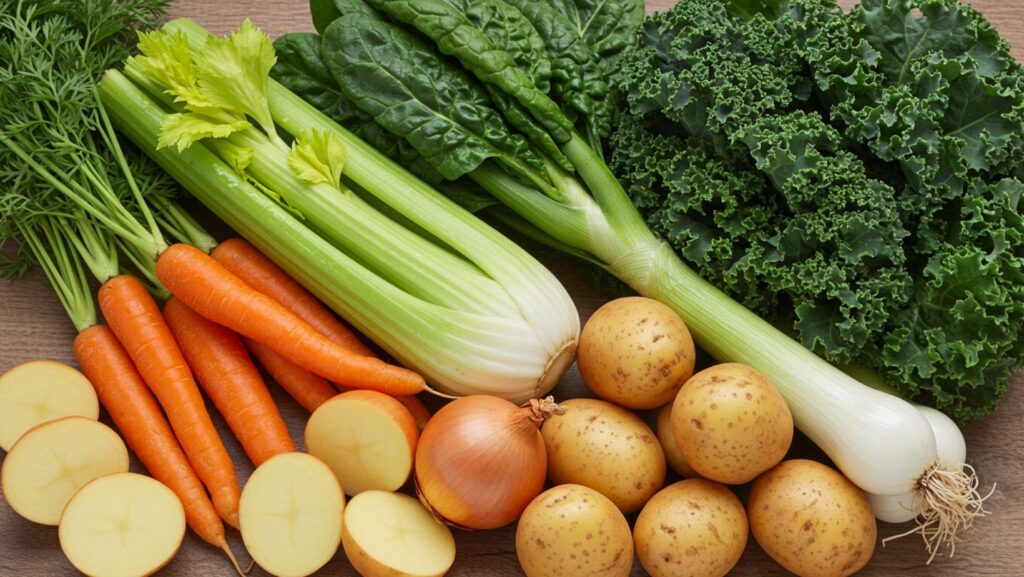
Would you want to know about the Best vegetables for soups? From my own experience, I can say that vegetable soups are a staple food that is both hearty and soothing.
They are abundant in necessary nutrients and tastes, which make every mouthful nourishing.
These soups are loaded with a broad variety of vitamins, minerals, and antioxidants since they are packed with vivid and healthful vegetables such as cruciferous kinds, root crops, and leafy greens.
Carrots, celery, kale, and squash are examples of common ingredients that, when combined, create a harmonic combination that offers a variety of textures and a natural sweetness.
Warmth and depth are imparted to the meal by additions such as garlic and ginger, while the substance and protein content of the dish are enhanced by the addition of legumes or grains.
No matter if you are looking for a broth that is light and refreshing or a stew that is robust and thick, vegetable soups may be adapted to suit your preferences while still preserving their beneficial properties.
However, that is not all; as you continue reading, I will provide you with further information on the topic matter.
Now, let’s get started
What are the Best Vegetables for Soups
1. Butternut
Butternut squash features tan-yellow skin, orange flesh, and seeds in the blossom end. Eating the skin eliminates the need to peel.
Half it, scrape out the seeds, and cut it into bits. Roast it and add it to a warm winter salad, curries, stews, or soups.
One cup contains A, C, Magnesium, and Potassium! Beta-carotene, vitamin C, and vitamin E are abundant in butternut squash. It boosts immunity.
Beta- and alpha-carotene abound in butternut squash. They become immune-boosting vitamin A in your body.
Antioxidants suppress inflammation and may lower the risk of various chronic illnesses.
Sweet, nutty, spicy, creamiest, and silky, its soup is wonderful. It goes well with crunchy toast or grilled cheese top dip.
One cup of cooked, diced butternut squash (205 grams) has 82 calories.
- 1.8 g protein
- 0.18 g fat
- 21.50 g carbs
- 4 g sugar
- 6.6 g fiber
- 2. Broccoli
2. Broccoli contains antioxidants such as vitamins C, K, and A. It includes necessary minerals including potassium, calcium, and iron.
Antioxidants minimize inflammation and oxidative stress.
Broccoli cheddar soup is warm and tasty, but the proper sides can make it better. This soup pairs well with salads, grains, crackers, breads, meats, and desserts. The possibilities are unlimited.
Cream of broccoli soup contains broccoli, stock, and milk or cream. Ingredients and vegan versions vary.
This soup is mass-produced and canned.
Raw broccoli has: 100 grams
Calories 34K
Protein: 4.3g
Carb: 3.2g
Fat: 0.6g
Fiber: 2.5g (NSP) 4g (AOAC)
3. Potatoes
In many countries, this starchy root vegetable from the Americas is a staple meal.
The potato’s cholesterol-free, fiber, potassium, vitamin C, and vitamin B6 content help heart health.
Potatoes are high in fiber.
Fiber lowers blood cholesterol, reducing heart disease risk.
In soups, they absorb moisture and deform. For creamy soups or thickening runny soups, they are great.
Use Russet potatoes for the best Loaded Potato Soup.
One medium-cooked potato (6.1 ounces, 173 grams) with skin provides:
- Calories: 161
- Fat: 0.2g
- Protein: 4.3 g
- Carbs: 36.6g
- Fiber: 3.8 g
Peas, a green, yellow, or purple pod-shaped vegetable, are a popular cool-season crop.
Peas include thiamin and niacin. These B vitamins assist our systems in using dietary energy and support the development of skin, hair, nerves, and muscles.
Fiber in peas helps keep our intestines healthy, blood sugar levels equal, and cancer at bay.
Healthy green split peas are a great supplement to a balanced diet. This soup is filling due to its high fiber and protein content.
Rich in protein: This 27-gram portion of split green pea soup contains plant-based protein.
Cooked peas provide these minerals in 1/2 cup (80 grams):
Calories: 67
Carbs: 12.5g
Fiber: 4.4 g
Protein: 4.3 g
5. Mushrooms
Fungi create fleshy, spore-bearing mushroom or toadstool vegetable bodies above ground, on soil, or in their food supply.
Foodies enjoy mushroom soup because of its earthy flavor and amazing texture.
Soups with mushrooms have several advantages. Vitamins, minerals, and other elements in them promote immunity, decrease inflammation, and give antioxidant protection.
Mushrooms are low in calories and fat, making them a healthful appetizer.
An oil-cooked 100 grams of mushrooms contains:
Oil-dependent calories: 80–95
Carbs: 3.9 grams, 1% DV.
Sodium: 147 mg, 6% DV
1.2 grams, 4% DV fiber
Sugar: 2.4g
What are the Best Vegetable Soup
For most of us, soup season is here, and I say go ahead and enjoy it. On a cold day, nothing compares to a warm cup of soup that feels like the ultimate culinary hug.
I have so many soups that I enjoy that it’s difficult for me to choose just one, but I think a traditional vegetable soup usually ranks highly.
Sometimes vegetable soup lacks taste and is boring, but I’m here to tell you that this recipe for the finest vegetable soup will make you realize how amazing a bowl of veggies in a flavorful broth can be.
I enhanced the taste of this dish to create the best vegetable soup you will want to eat all season long.
I adore this recipe because it allows you to use any vegetables you want in your soup.
I often stick to the traditional carrots, potatoes, peas, corn, and vegetables, but occasionally, I’ll add some kale or any other vegetables I need to use that week.
If you want to make the dish more simpler, you may use only frozen veggies!
Since homemade stock provides a whole new level of flavor and is really simple—check out my recipe to see for yourself—I will declare that it is the one item that I cannot compromise on.
Another key to my recipe is that, although it may seem strange to you, I incorporate miso paste into the soup.
With each bite, it adds a delightful savory umami taste that leaves you thinking, “What is that?” It really makes this soup dish much better.
Most Asian food sections at your typical grocery store include miso paste, but you can obviously omit this item if you don’t have it or don’t want to.
If you can locate it, I will remark that this dish is quite good.
For a small protein boost, I also included some chickpeas in this dish, but you could really use any beans you have on hand! This veggie soup will quickly become a family favorite in your home, I promise.
My husband and child love it when I serve it with grilled cheese or dinner rolls.
You can tell it’s a successful dish since my five-year-old ate two bowls of it only last night! I guarantee that you won’t regret adding this to your list of soups that you must prepare this season.
What are the Best Vegetable Soup Recipes
The Greatest Vegetable Soup Recipes Are Listed Here:
1. Cold Green Pea Cream Soup
This is a simple pea soup that tastes great hot or cold and has the added benefit of yogurt. This soup dish is both really simple to prepare and delicious.
2. Tofu Miso Cream with Radish Soup
Radishes, spring onions, celery, and vegetable stock combine to make a creamy soup, which is finished with a rich cream prepared with tofu, orange juice, and honey.
3. Tomato Soup with Basil
The soup’s pureed tomatoes and carrots are topped with lemon zest, olive oil, and basil leaves. This appetizer is likely to entice your taste buds if you really enjoy tomato soup.
4. Soup with Baby Corn
A baby corn soup enhanced with the flavor of mushrooms, capsicum, and cabbage. A treat for a wintry evening. After adding a small pinch of black pepper, you’re done for the day.
5. Soup with Mexican ingredients
A hearty soup that will keep you warm in the winter, with kidney beans, chickpeas, and an abundance of veggies. The kidney beans and chickpeas in this soup provide a wealth of important nutrients.
How To Make Soup From Almost Any Vegetable
Important Procedures for Vegetable Soup:
Chop the vegetables: Slice around one pound of veggies into medium-sized chunks, approximately an inch across or smaller if you’re working with tough, dense vegetables like winter squash or potatoes.
Soften tough veggies by cooking them: To allow the vegetables to fully cook and develop their flavor, sauté them in a small amount of butter or olive oil over low heat.
If desired, brown the veggies. Add approximately 4 cups of stock, cover, and boil after the veggies have softened and gained some flavor and aroma. (In an emergency, even water will work!)
Simmer the soup until all the veggies are cooked, which should take approximately one hour. If you want a creamy soup, you may use an immersion blender or a blender to purée the soup.
You can create a delicious soup with almost any vegetable. The list is endless: potatoes, rutabaga, celeriac, cauliflower, broccoli, turnip, sweet potato, zucchini, squash, tomato, celery, mushrooms, onions, leeks, cabbage, kale, chard, and more.
The one restriction is that you must enjoy the vegetable’s taste.
Although you can use cream or yogurt to lessen the harshness of turnips and creamy white beans or acidic lemon to counterbalance the scent of cabbage, you can’t eliminate the taste of any vegetable in soup, so don’t add anything you don’t particularly enjoy.
Additionally, almost any vegetable texture—from hard squash to tender greens—can work, although the cooking time may vary.
Butternut squash will take longer to cook than chard, which will simmer down rapidly in a large saucepan.
How to Make the Best Vegetable Soup
To begin, sauté celery, carrots, and onions in olive oil with tomato paste. Provide salt, pepper, fennel seeds, and garlic, and stir to provide extra flavor.
Add your broth (try homemade chicken or vegetable broth). Next, add your preferred vegetables, such as tinned tomatoes, potatoes, cabbage, and bay leaves.
The soup should boil for about 20 minutes or until the veggies are soft. After that, add the frozen peas and simmer for a few more minutes to ensure they are well heated.
Taste the soup and add extra salt and pepper if necessary before serving. Add a splash of fresh lemon juice or apple cider vinegar for a taste boost.
Final thought
Now that we have established Best Vegetables for Soups, Vegetable Soups are better for numerous reasons. Vitamins, minerals, and antioxidants boost the immune system and general health.
They are great for weight loss since their high fiber content facilitates digestion and satiety.
Vegetable soups may also be customized to different tastes and diets, allowing for unlimited creativity.
They are simple to digest and low in fat, making them excellent for many health issues.
The greatest vegetable soup has rich vegetable broth or stock and fresh ingredients like chopped tomatoes, green beans, and sweet potatoes.
Add fresh thyme, bay leaves, and lemon juice for flavor. Spice it up with red pepper flakes.
Olive oil or extra virgin olive oil makes healthful, tasty recipes. Consider adding green beans for texture and nutrition. Treat yourself to these healthy and soothing dishes.