
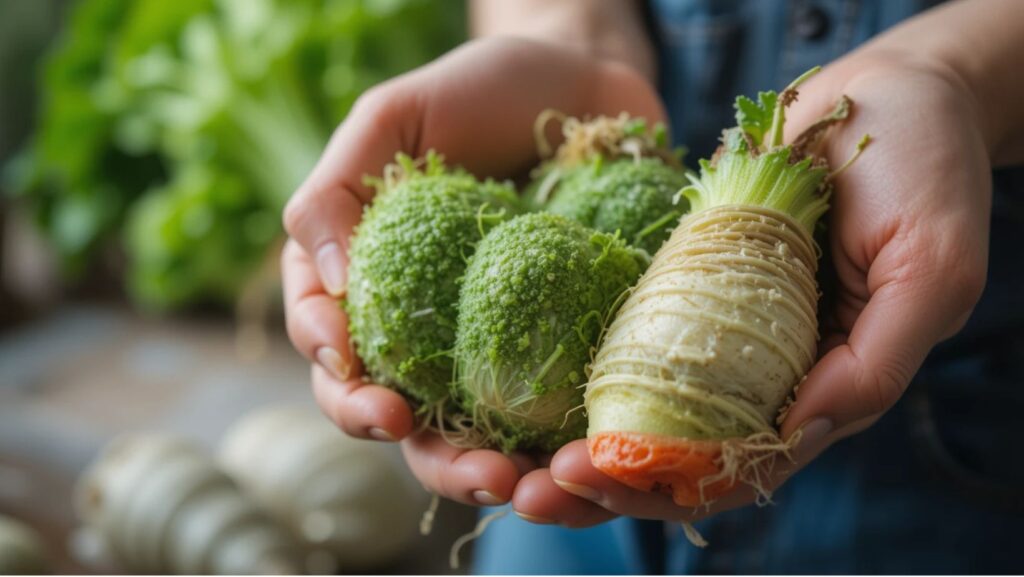
Would you want to know the Best vegetables for a long life? In my experience, leafy greens like spinach, kale, collard greens, and Swiss chard are generally regarded as the “best” vegetables for a long life because of their high concentration of antioxidants, vitamins, and fiber, which can help prevent chronic diseases and prolong life.
Cruciferous vegetables like broccoli, cauliflower, and Brussels sprouts are also regarded as great options because of their possible anti-cancer qualities.
A varied diet is essential for general health since vegetables are nutrient-dense foods. However, fewer than 12 percent of Americans consume the recommended amounts of veggies each day.
Having a range of longer-lasting products on hand is one method to ensure you’re getting enough veggies in your diet.
Purchasing durable veggies also contributes to the affordability of groceries. But that’s not all; I’ll explain more about the topic as you continue reading
Now, let’s get started
What are the Vegetables That Promote Longevity and Combat Aging
veggies with scientific potential for extending life and improving quality of life.
1. Artichokes
With 4.7 millimoles per 100 grams, artichokes are antioxidant-rich. Even a tiny serving neutralizes free radicals, which damage DNA.
Artichokes also contain chlorogenic acid, which may prevent insulin resistance in older people by improving glucose and lipid metabolism. They’re tasty and healthy since they contain long-chain inulin.
2. Kale
Due to its 2.7 millimoles per 100 grams antioxidant content, kale is suggested. It is abundant in vitamins A, C, and K and is one of the few calcium-rich vegetables.
Kale is more digestible and tasty when cooked.
Kale contains ceramide, a molecule related to lifespan through activity and fasting, making it a good addition to your diet a few times a week.
3. Beetroot
In particular, beetroot benefits cardiovascular health. Betalan, an antioxidant, increases longevity in animal models.
Beets contain nitric oxide, which improves blood flow and reduces cardiac stress. Beetroot is a great heart-healthy ally.
4. Spinach
Lutein and antioxidants abound in spinach. A five-year Neurology research indicated that lutein and leafy greens diet reduced cognitive deterioration.
Spinach supports visual and cognitive health as we age, boosting healthspan.
5. Red/Purple Cabbage
Red and purple cabbage provide four times the antioxidants of normal cabbage, including brain-healthy anthocyanins.
Antioxidants that cross the blood-brain barrier benefit obesity, diabetes, and neurodegenerative consequences. They also promote a healthy microbiota, which is essential for health.
6. Broccoli High in nutrients, broccoli may reduce cardiovascular disease-related fatalities. Sulforaphane promotes the body’s antioxidant mechanisms, fighting oxidative stress.
Consuming cruciferous veggies like broccoli regularly can improve your health.
7. Tomatoes
Tomatoes contain heart-healthy antioxidant lycopene despite being vegetables. A long-term study indicated that reduced lycopene levels increased heart attack risk.
This shows that lycopene protects vascular health, which is vital for lifespan.
8. Sweet Potatoes
Beta-carotene, anthocyanins, and fiber are abundant in sweet potatoes.
Darker sweet potatoes offer more antioxidants, research shows. They boost insulin sensitivity, making them ideal for life and wellness.
9. Swiss Chard
Vitamin K and antioxidants abound in Swiss chard. It includes kaempferol, which has shown promise in lab trials in suppressing cancer development.
Cooking Swiss chard reduces oxalates and boosts its benefits.
10. Eggplant
The skin of eggplant is rich in anthocyanins and nasunin, which may protect DNA from oxidative stress.
The meat is frequently regarded as nutritionally insufficient. Despite its nightshade status, eggplant, especially the skin, may be healthy.
What are the 10 Vegetables to Help You Live a Healthy Life
These underappreciated veggies should be part of a healthy diet:
ONIONS include vitamin C, calcium, iron, folic acid, and fiber. Killing H pylori bacteria may prevent stomach ulcers, but not treat them.
KALE delivers daily vitamin A and vitamin K for bone health. It has more calcium than an eight-ounce glass of milk and vitamin C than an orange.
Additionally, it has 3.3 grams of protein. We know kale is healthy, but here’s what you might not know about this nutritional powerhouse:
It also contains omega-3 fatty acids, which help enhance your brain and battle depression. Fatty acids and quercetin in kale decrease inflammation and provide arthritic relief.
Kale and spinach compete. Nutritional and antioxidant-rich, this leafy green vegetable provides 2.9 grams of protein.
Lutein in spinach keeps eyes healthy and shiny. B vitamins C and E, potassium, calcium, iron, magnesium, and omega-3 fatty acids are also found in spinach.
Bell peppers are rich in vitamin B6, which regulates metabolism and helps brain cells interact.
Red bell peppers provide nearly double your daily vitamin C. Bell peppers include potassium, zinc, and manganese.
Carrots improve vision. Their orange beta-carotene is turned into vitamin A by your body, which helps prevent retinal degeneration and glaucoma. Even night vision can improve with carrots.
A big celery stem comprises 10 calories but contains phthalides, a natural diuretic. Phthalides promote circulation and lower blood pressure.
Mushrooms include vitamin D and long-chain polysaccharides that increase immunity to combat colds.
Brussels sprouts have the most glucosinolates of any cruciferous vegetable.
GARLIC fights germs and viruses. E. coli and salmonella germs killed by fresh garlic may prevent food illness.
Garlic lowers blood pressure and cholesterol, protects the heart, boosts the immune system, and regulates blood sugar.
Eggplant is rich in vitamin C, K, B6, thiamin, niacin, magnesium, phosphorus, copper, dietary fiber, folic acid, potassium, and manganese.
It has less cholesterol or saturated fat. This vegetable has several health advantages, such as promoting strong bones.
Prevention of osteoporosis and cancer
Reducing anemic symptoms
Improve cognition
Cardiovascular health improvement
Protect digestion
Weight loss aid
Reduce stress and manage diabetes.
Save babies from birth defects
What common vegetables have the longest shelf-life
In general, root vegetables with the longest shelf life include winter squash, potatoes, and carrots.
Vegetables that keep well
In a cold, dry location, potatoes can survive for months.
When stored in a cold, dry, and well-ventilated environment, onions can survive for months.
Squash can survive for months in a cold, dry environment.
Beets: Store in the refrigerator for up to two months.
Carrots: Store in the refrigerator for up to a month to keep crisp.
Cabbage: Stores well in the refrigerator for up to two months.
In a dry setting, spaghetti squash can survive up to five weeks.
Advice on how to store veggies
Root veggies should be kept dry and cold.
Keep leafy greens in a moist environment.
Onions should be kept in a mesh bag or loosely wrapped paper bag.
Citrus vegetables should be kept in a mesh bag in the refrigerator or crisper.
Mushrooms should be kept in paper bags.
Prunes and frozen veggies are other durable produce.
What are the Nutritional Values of Vegetables
Vitamins, minerals, and fiber are abundant in vegetables. These nutrients aid in preventing disease and maintaining bodily health.
Vegetable nutrients:
Vegetables are often a good source of calcium, iron, potassium, vitamins A and C, and dietary fiber. The nutrients included in one cup of raw veggies from each of the five categories are listed below.
Vegetable calories
Vegetables are low in calories and filling. Compared to non-starchy veggies, starchy vegetables have higher calories.
One cup of these raw veggies has the following number of calories:
31 Broccoli
53 carrots
27 cauliflowers
125 corn
Green beans: 31; eggplant: 20
5 lettuces and 64 onions
39 red peppers
Spinach: 7.
Sweet potato: 114
Veggies Sizes of Portions:
Vegetable serving sizes are measured in cups. A single serving is equivalent to:
One cup of veggies, either raw or cooked
One cup of vegetable juice
Two cups of uncooked leafy greens for salad
Your age and gender determine how many servings of veggies the USDA advises you should consume each day.
Every day, kids should consume one to four cups of veggies. Men should have 2 1/2 to 4 cups of veggies each day, while women should consume 2 to 3 cups.
You may have a green salad for lunch, cooked broccoli and a sweet potato for supper, and one cup of 100% vegetable juice for breakfast to meet the daily recommended intake of vegetables.
A spinach quiche for lunch, half of a stuffed squash with a kale salad for supper, and an omelet with half a cup of bell pepper and half a cup of onion for morning.
What are the Vegetables That Stay Fresh for Months
They all last at least a month and many of them continue to be effective for much longer.
1. Pumpkins
Fresh pumpkins may be stored in the refrigerator for up to four months, provided they are not carved into jack-o’-lanterns.
Not enough space in the refrigerator? It’s still rather astonishing that the orange squash can be stored in a cold, dark cupboard or on your kitchen counter for up to three months.
2. Beets
Good news, fans of beets: If you keep your favorite carpet-staining vegetable in the refrigerator, it will last for two to four months.
If the greens are still connected, just be careful you clip them off.
If you leave them on, the moisture will be drawn out of the root, which might eventually affect the flavor, remove nutrients, and make the vegetable shrivel up.
3. Sweet potatoes
Due to its low glycemic index and high fiber content, sweet potatoes digest slowly and will leave you feeling full for a long time after eating.
You may keep your sweet potatoes for up to a month if you keep them in a cold, dark place. To provide the best possible circulation and freshness, keep them in a loose bag.
4. Cabbage
Compared to conventional greens like spinach and romaine, cabbage has a far lower water content, which prolongs its shelf life.
The brassica vegetable may be kept for up to two months in the refrigerator when wrapped in plastic.
5. Spaghetti Squash: If stored correctly, this stringy, high-fiber squash can last up to five weeks. The optimal temperature range is between 50°F and 55°F in a dry atmosphere.
Final thought
Now that we have established the Best vegetables for a long life, Consuming these 10 types of vegetables on a regular basis will considerably improve both your lifespan and your overall health of people.
The antioxidant capacity of each vegetable, as well as the particular components that promote cardiovascular health and cognitive function, are just some of the distinct features that each vegetable possesses that contribute to overall health.
These veggies should be incorporated into your diet on a consistent basis so that you may take preventative measures toward a healthier and longer life.