
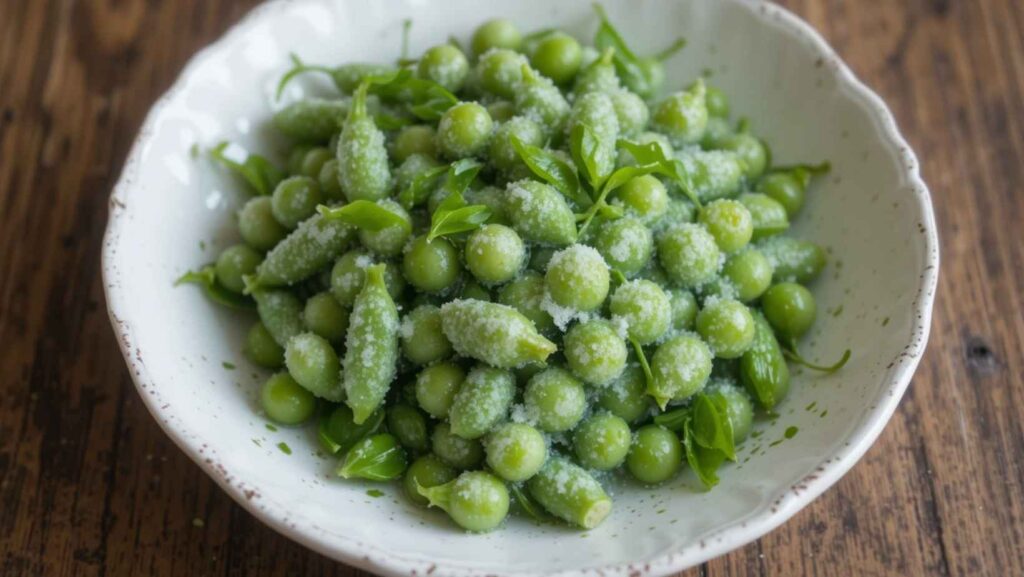
Would you want to know if snow peas are healthy? The answer is yes, snow peas are a nutritious meal alternative, based on my own experience. They contain several nutrients, including vitamins C and K and fibre
In addition to this, they are low in calories and can help contribute to a balanced diet.
However, that is not all; as you continue reading, I will provide you with further information on the topic matter.
Now, let’s get started
Health benefits of Snow peas
Snap peas and snow peas have nearly identical nutritional profiles. Compared to English peas or green shelling peas, they both have comparatively fewer calories.
Compared to 81 calories from garden peas, just 42 calories are found in 100 g of snow pea pods.
However, compared to conventional shelling peas, snow pea pods do contain more vitamins, minerals, and other plant components.
Snow peas provide comparatively more fiber than garden peas since they are consumed with their skin.
Dietary fiber lowers blood cholesterol and obesity while promoting regular bowel motions.
Vitamin C is abundant in Chinese sugar peas (60 mg/100 g or 100% of DV). Compared to garden peas, fresh pods provide 1.5 times as much vitamin C.
One potent natural water-soluble antioxidant is vitamin C.
This vitamin is found in vegetables that scavenge damaging, pro-inflammatory free radicals from the human body and help build tolerance against pathogenic agents.
Folic acid may be found in fresh snow pea pods. 42 μg, or 10.5%, of the daily required amount of folate is found in 100 grams of fresh peas.
One of the B-complex vitamin groups needed for cellular DNA synthesis is folates, along with vitamin B-12.
Pregnant women who consume enough foods high in folate may help avoid neural tube abnormalities in their unborn children.
Shelling peas are also a good source of phytosterols, particularly ß-sitosterol. Legumes, fruits, and cereals are examples of foods high in plant sterols that may help decrease cholesterol.
Compared to garden peas, Chinese sugar peas have higher vitamin K. About 25 µg of the daily requirement of vitamin K-1 (phylloquinone) may be found in 100 g of fresh peas.
It has been discovered that vitamin K may contribute to the function of bone mass-building by encouraging osteoblastic activity in the bone.
Additionally, it has been shown to help people with Alzheimer’s disease by reducing brain cell damage.
In addition, fresh snow peas are a good source of vitamin A (1087 IU, or 37% of RDA per 100 g), flavonoids including lutein, zeaxanthin, carotenes, and antioxidants.
Natural foods high in flavonoids protect malignancies of the mouth and lungs.
In addition, snow peas are an excellent source of thiamin, pyridoxine, pantothenic acid, niacin, and other important B-complex vitamins.
They are also abundant in a variety of minerals, including manganese, copper, zinc, iron, calcium, and selenium.
What are the Impressive Benefits of Snow Peas
Weight loss, better heart health, less constipation, stronger bones, increased immunity, and less inflammation are just a few of the many remarkable health advantages of snow peas.
Could Help With Weight Loss:
These tasty tiny pods are quite satisfying and may be high in dietary fiber. They are also filled with important minerals.
You may consume these veggies without worrying about breaking your diet or exceeding your daily calorie intake, though, because they are incredibly low in fat and calories.
May Aid in the Management of Diabetes: It’s possible that having a lot of dietary fiber in your body can help you better regulate your blood sugar levels.
Although fiber is a kind of carbohydrate, it controls your body’s levels of insulin and glucose.
May Enhance Digestion: You can enhance your digestive processes if your diet contains adequate amounts of dietary fiber, which snow peas offer.
May Increase Bone Mineral Density: Iron, potassium, manganese, and other minerals that the body needs to boost bone mineral density are found in snow peas.
These minerals can help reduce your risk of osteoporosis, even though they are present in trace levels.
Your vulnerability to different illnesses and foreign germs will be reduced as a result.
May Enhance Vision: Vitamin A is essential for maintaining the health of our eyes since it may act as an antioxidant to stop oxidative stress in the retina.
What is Snow Peas Nutrition
A closer examination of snow peas’ nutritional composition is provided below:
Important Nutrients:
- 42 calories per 100 grams.
- 0.2g of fat per 100g.
- 7.5g of carbohydrates per 100g.
- 2.6g of dietary fiber per 100g.
- 2.8g of protein per 100g.
- Vitamin C: A good source of the potent antioxidant vitamin C.
Folate: An excellent source of folate, a B vitamin necessary for the development and operation of cells.
Calcium: Offers a trace quantity of calcium, a mineral essential to healthy bones.
Iron: It contains iron, a mineral necessary for the synthesis of red blood cells.
Potassium: Offers a trace quantity of potassium, an electrolyte essential for muscle and nerve activity.
Manganese: A trace mineral involved in several metabolic processes, manganese is found in snow peas.
What is Snow Peas Side Effects And Interactions
Due to the fact that snow peas are classified as legumes, those who are allergic to or sensitive to legumes, such as peanuts or soybeans, may experience unpleasant effects while consuming snow peas.
Additionally, consuming an excessive amount of legumes such as beans and chickpeas can have a detrimental influence on mineral absorption and lead to nutritional deficiencies.
On the other hand, it is quite improbable that you will be able to consume a quantity of snow peas that would have a significant impact on mineral absorption.
Are Sugar Snap Peas Good for You
To answer your question, yes, sugar snap peas are vegetables that are high in carbohydrates and nutrients, and they may be consumed raw, boiled, or steamed.
You are able to consume the entire pod, and they have a crispy texture.
One positive aspect of sugar snap peas is that they have a glycemic load of 5, which means that they will not cause a rise in your blood sugar levels.
In the next paragraph, you will find a breakdown of the nutrients that sugar snap peas contain.
Important Takeaways:
Sugar snap peas are very nutrient-dense vegetables that are also quite starchy. They can be eaten fresh, boiled, or steamed on the stove.
You are able to include them in a variety of recipes, including salads and stir-fries.
These peas are beneficial to the immune system, as they improve digestion and the health of the gastrointestinal tract, lessen feelings of exhaustion, reduce the risk of cardiovascular disease, and safeguard the eyes.
Sugar snap peas may not pose any health risks if they are consumed in moderation.
Any excessive consumption, on the other hand, may result in a few mild unpleasant effects, including bloating, a worsening of diarrhea, an itchy throat, and coughing.
Final thought
Now that we have established snow peas healthy, Snow peas are incredibly nutritious. They come from the pea plant and may be cooked in a variety of ways!
These fresh, brilliant green legumes are flat because they are plucked early. Consequently, the pods are tiny because they have not yet matured.
The entire pod is yours to devour.
Sugar snap peas and snow peas are still occasionally mistaken. The primary way to distinguish between sugar snaps and snow peas is by their shapes: sugar snaps are spherical, while snow peas are flat.
Additionally, the flavors are different: snow peas have a subtle, sophisticated taste, whereas sugar snaps are sweeter.